Hunting note
Start with the decision, then inspect the details.
A practical guide for homeowners and renters researching furniture purchases online on best shoe storage for entryway, covering the best next steps, tradeoffs, and when to call a pro.
The best shoe storage for an entryway is not necessarily the cabinet with the highest advertised capacity. It is the piece that fits the available depth, accommodates the shoes your household actually wears, supports the daily routine, and leaves a safe path through the door. In a narrow hall, a shallow tilt-out cabinet may outperform a deep bench. In a busy family mudroom, open cubbies and a boot tray may be more practical than closed doors.
Measure first, then shop by storage type rather than by appearance alone. Check internal dimensions, ventilation, wall-anchoring requirements, cleanability, and whether doors or drawers can open without colliding with the front door. A smaller unit that is easy to use every day will keep more shoes off the floor than an oversized cabinet that creates friction.
Measure the Entryway as a Traffic Zone
Measure wall width, baseboard projection, available depth, and ceiling height, but also record the door swing and the clear path people need while carrying bags or opening a closet. Use painter’s tape to mark the proposed footprint on the floor. Walk through the space from both directions and open every nearby door. A cabinet that looks compact online can feel intrusive when its doors, baskets, or drawers are extended.
For a narrow entry, preserve more clearance than the furniture’s closed dimensions suggest. Shoes left in front of the unit and a person bending to use a lower shelf both consume space. Note outlet locations, vents, radiator clearance, and wall switches. Never block an egress route or place furniture where it can interfere with a door latch. Renters should identify wall construction and anchoring rules before ordering a tall unit.
Match Capacity to the Shoes You Own
Count the pairs that genuinely need to live near the door, then sort them by height and depth. Low sneakers and flats use space differently from work boots, high-top shoes, or large men’s sizes. Product capacity claims often assume small shoes placed tightly together. Compare the cabinet’s usable internal width and shelf depth with the longest and tallest pairs in your household.
Plan a separate zone for wet or muddy footwear. A removable waterproof tray beneath open storage is easier to clean than a fabric bin or unfinished wood shelf. Keep rarely worn shoes elsewhere so the entry system can serve the daily rotation. A modest buffer—rather than filling every slot on day one—makes the unit easier to maintain and allows seasonal changes without shoes returning to the floor.
Compare the Main Storage Types
| Storage type | Best for | Main tradeoff |
|---|---|---|
| Open rack | Fast access and ventilation | Visual clutter and exposed dirt |
| Shoe bench | Seating plus everyday pairs | Often deeper; capacity can be modest |
| Tilt-out cabinet | Very shallow hallways | May not fit boots or bulky shoes |
| Cubbies | Separate slots and family routines | Fixed openings limit shoe sizes |
| Closed cabinet | Calm appearance and dust control | Needs ventilation and door clearance |
| Boot tray with hooks/shelf | Wet-weather footwear | Not a complete high-capacity solution |
Choose based on the hardest constraint. If depth is scarce, start with tilt-out units. If users need to sit, prioritize a properly rated bench. If shoes arrive wet, ventilation and washable surfaces matter more than a seamless facade. Combining a small closed cabinet with a tray can work better than demanding one piece handle every type of footwear.
Choose a Shallow Cabinet for Tight Halls
Tilt-out shoe cabinets can be remarkably shallow because footwear sits at an angle in hinged compartments. They create a calmer visual field and keep loose laces away from the walkway. Before buying, verify interior shoe-length limits, the number of pairs per compartment, and how far the front projects when open. Tall boots, chunky sneakers, and large sizes may not fit as shown in product photography.
Because these cabinets are often tall and narrow, wall anchoring is essential. Opening a loaded tilt-out front shifts weight forward and can cause an unsecured case to tip. Use the manufacturer’s anti-tip hardware with fasteners appropriate to the wall structure; drywall anchors are not interchangeable with fasteners into studs or masonry. If you cannot anchor safely in a rental, choose a lower, wider option and confirm lease requirements.
Use a Shoe Bench When Seating Matters
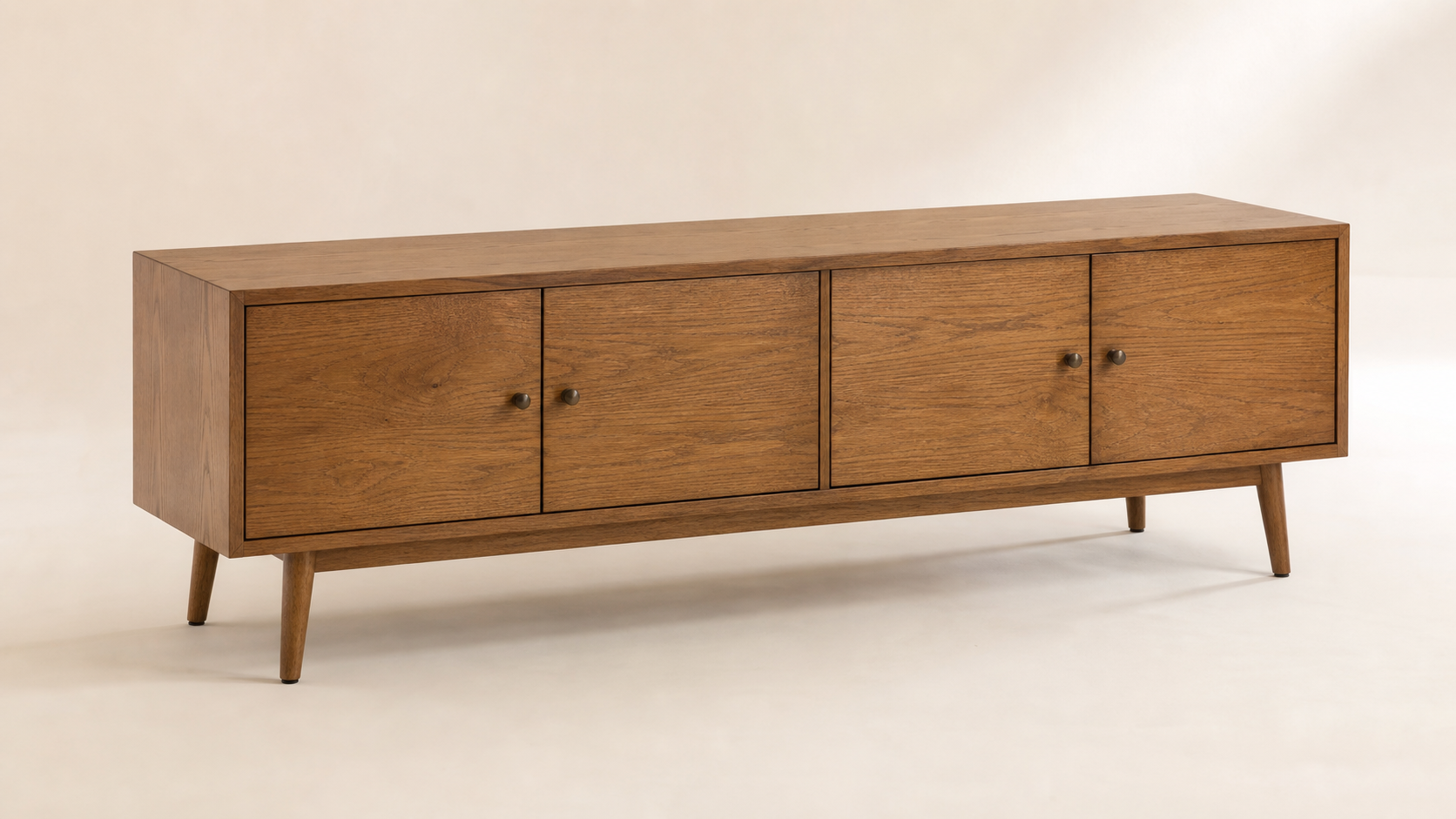
A bench makes it easier to put on boots, manage children’s shoes, or handle mobility limitations. Look for a clearly stated seat weight capacity, robust joinery, a stable base, and a seat depth that does not choke the passage. Open shelves underneath ventilate footwear, while drawers and doors provide a tidier look but may collect moisture. A removable cushion should have a washable cover and should not slide during use.
Do not assume every low shoe cabinet is designed for sitting. If the maker does not state a seat load, treat the top as a shelf rather than a bench. Test for rocking after assembly and retighten hardware according to instructions. Place the bench on a level surface, protect it from a door striking its corner, and consider rounded edges in homes with children or in very tight circulation areas.
Pick Open Racks for Speed and Ventilation
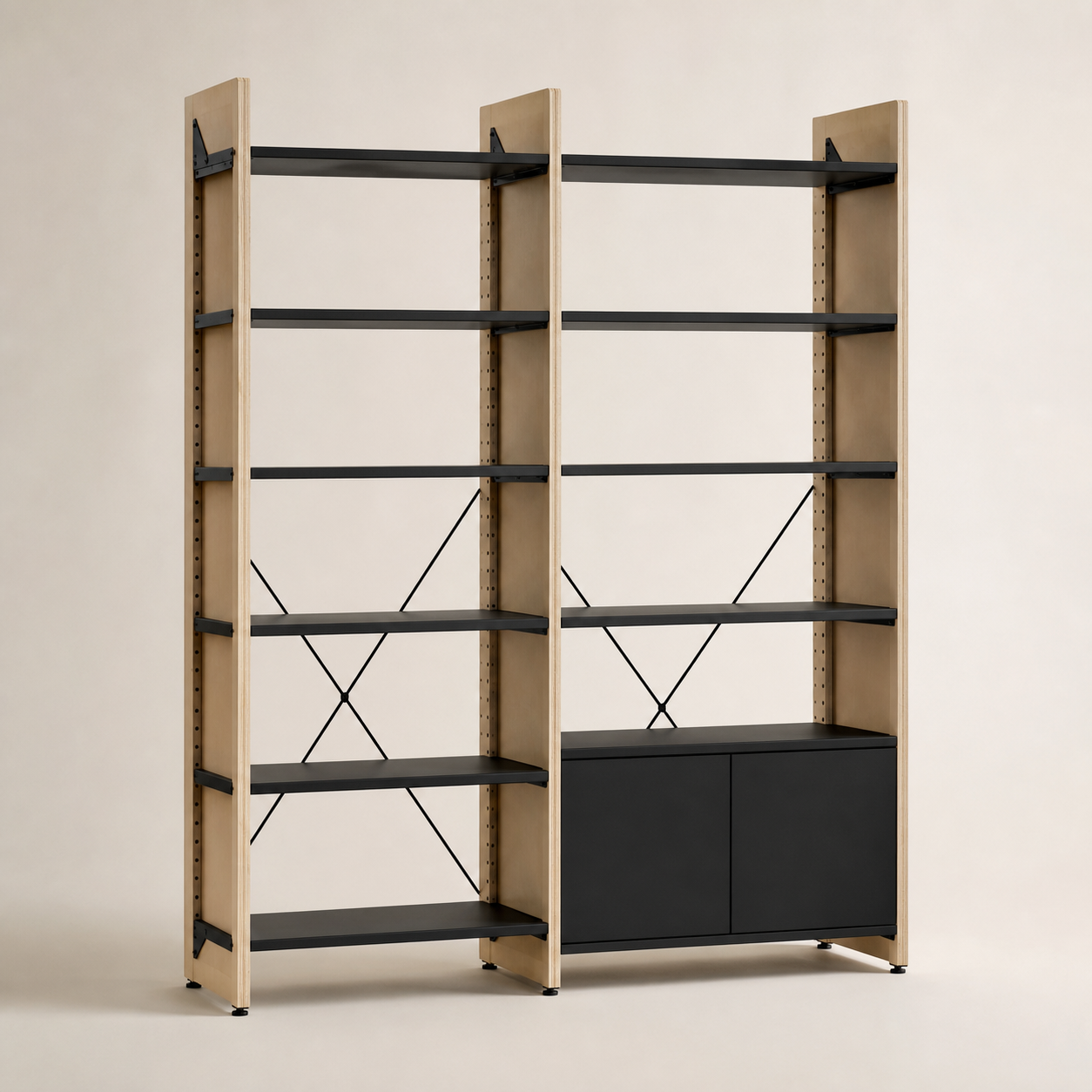
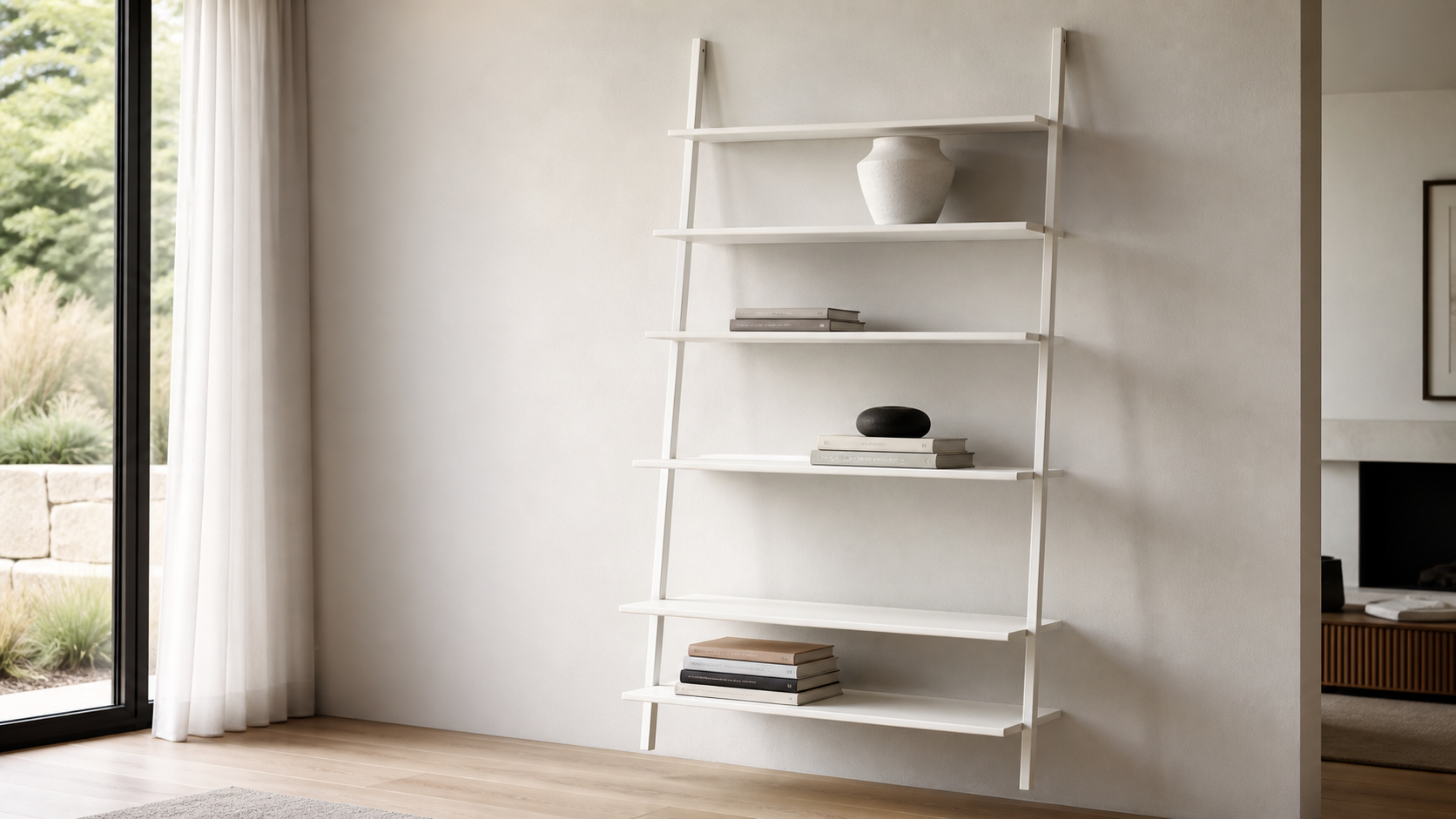
Open racks are usually affordable, flexible, and easy to scan. They suit households that remove shoes immediately and value quick access. Metal or sealed wood shelves are easier to wipe than absorbent fiberboard after wet weather. Slatted shelves allow airflow, but very wide gaps can trap narrow heels or let dirt fall onto pairs below. Raised feet make floor cleaning easier.
The tradeoff is visual exposure. Limit each person to a defined shelf, use matching trays for small accessories, and avoid stacking shoes in unstable piles. Choose a rack with enough rigidity that it will not rack sideways when bumped. If it is tall or climbable, anchor it. Keep heavy footwear on lower levels to lower the center of gravity and reduce injury risk if something shifts.
Consider Cubbies for Shared Households
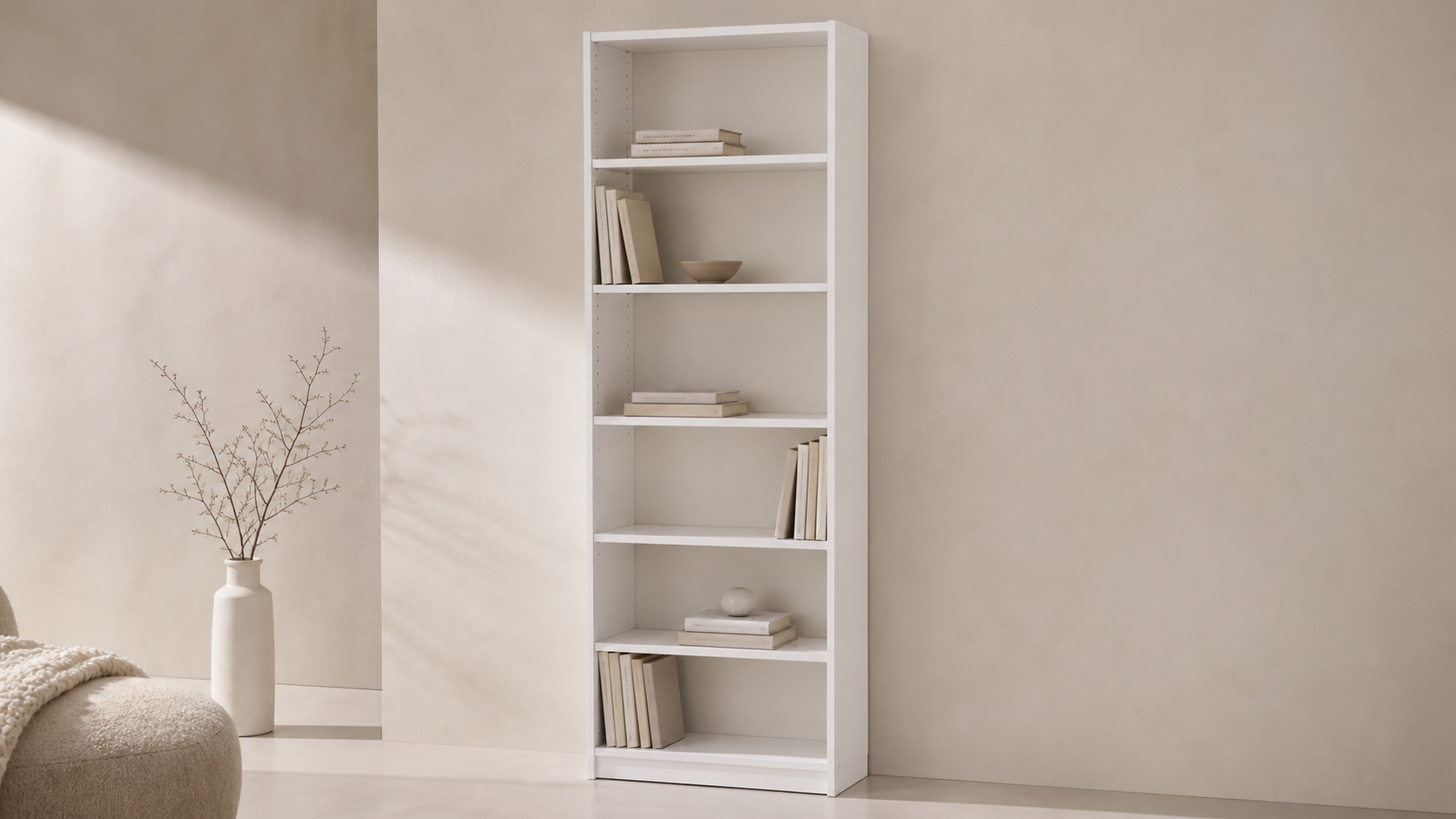
Individual cubbies simplify routines: each resident can have a row or column, and matching pairs remain together. This is useful for families, roommates, and entries that become congested at the same times each day. Measure cubby openings carefully. Narrow cells that fit children’s shoes may force adult pairs to be separated, while tall cells can waste space above low shoes.
Adjustable shelves offer better long-term flexibility than fixed grids. If the unit includes fabric baskets, reserve them for dry accessories rather than wet shoes. Avoid readable labels if you want a cleaner look; color-coded bins or consistent positions can provide the same cue. Secure tall cubby units to the wall, and do not let children climb shelves to reach upper compartments.
Evaluate Materials and Construction
Solid wood can be durable and repairable but may be heavy and can move with humidity. Plywood offers good strength relative to weight when edges and finishes are well executed. Medium-density fiberboard and particleboard can deliver a smooth painted surface at lower cost, but exposed edges may swell when repeatedly wetted. Metal resists many knocks and supports airy designs, though thin frames can wobble.
Inspect hardware, back-panel construction, hinge quality, and shelf support—not just the exterior finish. Read assembly instructions before purchase if available. A full back can improve rigidity but reduce airflow; vent slots help enclosed footwear dry. New furniture may emit odors from finishes and adhesives, so ventilate the space and follow manufacturer guidance, particularly in homes with sensitivities. Stop using a unit if joints loosen or panels swell enough to affect stability.
Plan for Wet Shoes, Odor, and Cleaning
Moisture is the enemy of both footwear and cabinets. Let soaked shoes drain on a washable boot tray rather than closing them immediately inside a cabinet. Choose shelves that can be removed or reached with a cloth, and allow enough space around pairs for air movement. A concealed cabinet should have intentional ventilation rather than relying on gaps caused by poor assembly.
Clean with products compatible with the finish; saturating engineered wood can cause permanent swelling. Empty grit from trays regularly so it does not scratch floors. Odor absorbers can help, but they do not replace drying and cleaning. Avoid placing an enclosed shoe cabinet directly against a damp exterior wall without checking for condensation or mold. Persistent moisture may require fixing the building condition, not buying a different organizer.
Look for Useful Features, Not Gimmicks
Adjustable shelves, removable trays, soft-close hinges, levelers, and replaceable hardware can add real value. A top ledge can serve as a landing zone if it has raised edges or a tray to prevent keys from falling. Doors should open smoothly without requiring users to step backward into the main path. Handles should not snag clothing or bags.
Be cautious with vague claims such as “holds dozens of pairs” when internal measurements are absent. Product photos may use small shoes or omit the wall anchor. Reviews are most useful when buyers mention shoe size, assembly alignment, long-term hinge behavior, and material response to moisture. Do not pay extra for integrated lighting or charging unless electrical components are certified for your location and cords can be routed without a trip hazard.
Set a Realistic Budget
Budget racks can be an excellent choice when they are stable, cleanable, and replaceable. Midrange cabinets often add better hinges, thicker panels, and more refined dimensions. Premium prices may buy solid materials, repairable joinery, custom sizing, or a finish that coordinates with permanent millwork. Price alone does not prove load capacity or safe construction.
Include delivery, assembly, anchoring, floor protection, and trays in the total cost. A flat-pack cabinet may require two people to assemble safely. Custom carpentry can be worthwhile for a severely constrained entry, sloped floor, or awkward radiator, but request drawings that show door swing and usable shoe dimensions. The best value is the least expensive system that solves your specific routine without compromising circulation or stability.
Avoid Common Buying Mistakes
The most common error is shopping by pair count without measuring actual shoes. Other mistakes include blocking a door, choosing an unventilated cabinet for wet footwear, buying a “bench” with no seat rating, and failing to anchor a tall narrow case. Do not rely on adhesive anti-tip straps unless the manufacturer explicitly specifies them for the load and wall surface.
Avoid creating a system that is too elaborate to follow. If users will not open two doors to put away everyday shoes, open storage may be more effective. Build around the behavior already happening at the entry, then make that behavior tidier. Leave room for a boot tray and a temporary guest pair rather than packing every compartment to theoretical capacity.
When Custom Installation Makes Sense
A professional installer or carpenter can help when walls are masonry, floors are badly uneven, utilities run through the anchoring area, or storage must wrap around vents and trim. Custom work is also sensible when the entry needs an integrated bench, tall boot section, and closed upper storage within an exact footprint. Ask how the unit will be anchored and how wet footwear will be ventilated.
Do not drill blindly near electrical wiring, plumbing, or radiant heating. Use appropriate detection and building information, and call a qualified trade when locations are uncertain. In a rental, obtain written permission for substantial anchoring. Safety and removability matter as much as visual fit.
FAQ
What is the best shoe storage for a very narrow entryway?
A shallow tilt-out cabinet is often the strongest candidate, provided your shoes fit its internal dimensions and the cabinet can be anchored safely. A slim open rack is the simpler alternative.
Is open or closed shoe storage better?
Open storage offers faster access and better ventilation; closed storage reduces visual clutter and dust. Wet shoes should dry before being enclosed.
How many pairs should entryway storage hold?
Plan for the household’s daily rotation plus a small buffer, not every pair owned. Moving special-occasion and off-season shoes elsewhere keeps the entry functional.
Can I sit on a shoe cabinet?
Only if the manufacturer identifies it as a bench and provides a suitable seat weight rating. Height alone does not make a cabinet safe for sitting.
Do shoe cabinets need to be anchored?
Tall, narrow, or tip-prone units generally do, especially tilt-out cabinets whose moving fronts shift weight forward. Follow the supplied anti-tip instructions and wall-specific fastening requirements.