Hunting note
Start with the decision, then inspect the details.
A practical guide for homeowners and renters researching furniture purchases online on best floating shelves that hold weight, covering the best next steps, tradeoffs, and when to call a pro.
The best floating shelves that hold weight are systems, not just attractive boards. Their real capacity depends on the bracket design, shelf depth, fastener type, wall construction, stud placement, installation quality, and how the load is distributed. A shelf advertised for a high load can fail early if it is mounted only to weak drywall or if heavy objects sit far from the wall.
Shop backward from the intended load. List what will sit on the shelf, estimate its combined weight, measure the deepest object, and locate studs or solid masonry before choosing a product. For heavy books, records, cookware, or stone objects, prioritize structural documentation and installation access over an ultra-thin profile.
Understand What a Weight Rating Really Means
Manufacturer ratings are usually based on specific test conditions: a certain shelf length, load distributed evenly, supplied hardware, and mounting into a defined substrate. A headline number may not apply to every width or wall. Look for instructions that state the wall type, number and spacing of attachment points, bracket dimensions, and whether the rating is per shelf or for an entire set.
Treat vague “heavy duty” language cautiously. Ask whether the rating includes the shelf’s own weight and whether it represents a recommended working load or a failure threshold. Good documentation explains assumptions. Build in a safety margin for fragile valuables, dynamic impacts, imperfect walls, and loads that may grow over time. Never test capacity by hanging or pulling on an installed shelf.
Start With the Wall, Not the Shelf
Wood studs generally provide the most straightforward attachment for heavy residential shelving. Their spacing may limit bracket placement, so choose a system whose mounting plate reaches at least two studs when possible. Steel studs require compatible fasteners and may need professional design for substantial loads. Masonry can provide excellent support when sound, but hollow block, old brick, tile, and brittle mortar each require different drilling and anchors.
Drywall alone is the weakest common case. Toggle anchors can support useful loads when correctly installed in intact board, but published anchor values do not automatically become a safe shelf rating. Leverage from shelf depth magnifies force at the wall, and multiple anchors may not share load evenly. If you cannot positively identify the substrate or avoid concealed pipes and wiring, have a qualified installer assess it.
Compare Bracket Designs
| Bracket type | Visual effect | Typical strength considerations |
|---|---|---|
| Rod-style hidden bracket | Very clean, minimal | Needs tight shelf fit and strong wall attachment |
| Full backplate with rods | Clean and easier to align | Broad plate can reach more fasteners or studs |
| Concealed steel frame | Thick shelf appearance | Good torsional resistance when properly anchored |
| Recessed cleat | Simple floating box | Strength depends on cleat material and stud attachment |
| Visible angle bracket | Not fully floating | Efficient support and easy inspection |
Hidden rods must extend far enough into the shelf and fit without excessive play. A broad welded frame can resist twisting better than isolated pegs, but only when the welds, steel thickness, and wall connections are adequate. If maximum capacity matters more than invisibility, visible brackets often deliver a clearer, more mechanically efficient load path.
Account for Depth and Leverage
A deeper shelf creates more leverage on the wall attachment. The same weight placed near the front edge imposes more turning force than when placed close to the wall. That is why a bracket that performs well beneath an eight-inch display ledge may be unsuitable for a deep desk-like surface. Follow the manufacturer’s approved depth range and do not install a deeper board simply because the rods fit.
Arrange heavy objects toward the rear and lighter decor toward the front. Avoid shelves above beds, cribs, seating, or busy pathways when they will carry dense or breakable items. If the desired shelf must be deep enough for a microwave, large speakers, or heavy appliances, a floating decorative system may not be appropriate. Use engineered cabinetry, visible structural brackets, or professional support instead.
Choose a Shelf Material That Will Not Sag
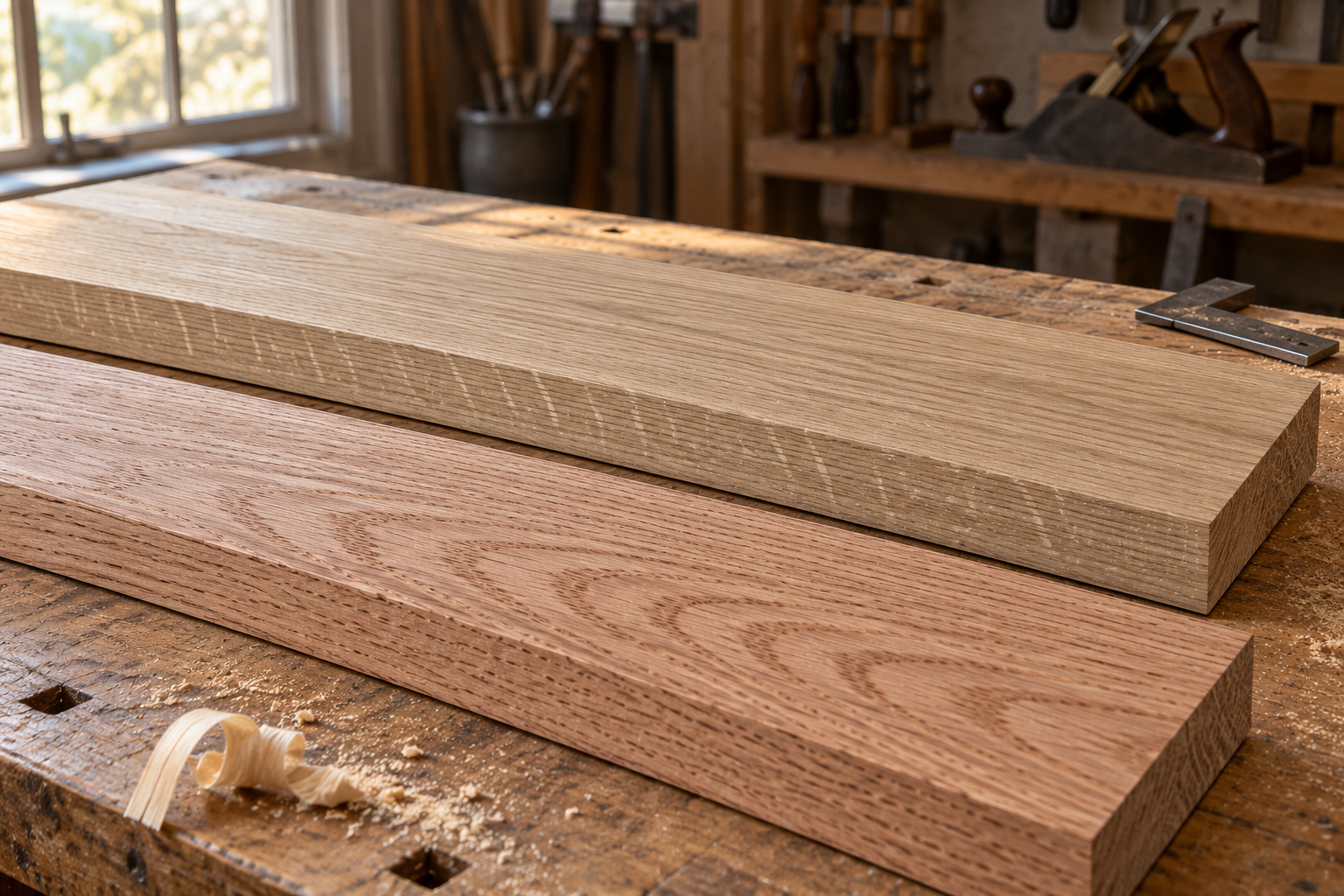
Solid hardwood offers strong screw-holding and can perform well when properly dried and dimensioned, but species and grain defects matter. Plywood can be very stable and strong, especially in a torsion-box or hollow floating-shelf construction. Medium-density fiberboard creates a smooth painted finish but is heavy and can have weaker edge and fastener performance. Particleboard is economical but vulnerable to moisture and localized crushing.
Length, thickness, internal structure, and bracket spacing determine sag resistance. A thick-looking hollow box is not necessarily stronger than a thinner solid board; inspect how the hidden frame engages it. Long uninterrupted spans need more support. If a shelf begins to bow, tilt, or separate from the wall, unload it immediately rather than adding another anchor after the fact.
Locate Studs and Hidden Services Safely
Use more than one clue to locate framing: a quality stud finder, known outlet positions, small verification methods permitted by the installation instructions, and building plans when available. Stud finders can misread plumbing, metal protection plates, foil insulation, or dense plaster. Never drill through a metal plate in a wall; it may be protecting a wire or pipe.
Electrical cables and plumbing often run vertically or horizontally from fixtures. Radiant heating and unusual construction add risk. Switch off relevant circuits only when appropriate, but remember that de-energizing one circuit does not prove the drilling zone is clear. If the mounting line crosses a likely service route or you are uncertain about the wall, stop and hire an installer who can investigate non-destructively.
Select Fasteners for the Actual Substrate
Use the shelf manufacturer’s specified fasteners when they match the verified wall. Wood screws need sufficient embedment into sound framing after passing through drywall and the bracket. Masonry anchors require the correct diameter, hole depth, base material, and cleaning procedure. Toggle bolts need enough cavity space to open and intact drywall to bear the load.
Do not mix random anchors based only on package ratings. Fastener capacity depends on edge distance, substrate condition, installation torque, and load direction. Over-tightening can crush drywall, strip wood, deform a bracket, or fracture masonry. If supplied hardware seems inconsistent with the instructions or your wall, contact the maker or a qualified installer rather than improvising.
Evaluate Product Documentation Before Buying
A dependable listing should provide exact overall and usable dimensions, shelf weight, material composition, bracket drawings, approved substrates, fastener details, and installation steps. Look for a capacity that changes logically with length or mounting method. Instructions available before purchase are a positive signal because they let you confirm that stud spacing and tool requirements fit your home.
Customer reviews can reveal recurring problems such as loose rod tolerances, warped boards, weak welds, inaccurate templates, or finish damage. Give more weight to reports that name wall type, shelf length, installation method, and actual load. Photos alone cannot prove safe attachment. Avoid treating affiliate rankings as engineering evidence; the manufacturer’s technical information and your wall conditions are more important.
Plan Shelf Length and Bracket Spacing
Long shelves create two challenges: the board can sag between supports, and an imperfect wall can make alignment difficult. A continuous backplate that spans multiple studs can simplify attachment, while separate rods permit flexible positioning only if the shelf is designed for it. Never drill new holes in a structural bracket unless the manufacturer approves the modification, because it may weaken the part or void the rating.
Check the wall for bows using a straightedge. Forcing a rigid plate flat against an uneven surface can twist the frame, while leaving gaps can reduce contact. Follow instructions for approved shims. Join multiple shorter shelves rather than exceeding the tested length. Where seamless wall-to-wall shelving carries books, custom cleats or visible supports may be safer and easier to level.
Install Methodically and Verify Level
Lay out the shelf height, check for nearby services, mark framing, and hold the bracket in position before drilling. Use the correct bit and pilot-hole size. Install fasteners gradually, confirm level, then tighten in sequence without distorting the plate. The shelf should engage every rod or cleat fully and use any retaining screws provided. A friction fit alone may not prevent the board from sliding forward.
After installation, inspect for wall compression, bracket movement, gaps, and shelf play. Add load gradually and distribute it evenly while observing from a safe position. Do not exceed the documented working capacity. Recheck fasteners after the initial settling period specified by the maker, especially in wood framing. Installation above valuable furniture warrants extra conservatism.
Load the Shelf With a Safety Margin
Estimate object weights rather than guessing. Books are dense, ceramic planters become much heavier when wet, and record collections add up quickly. Include containers and bookends in the total. Keep the heaviest pieces close to bracket locations and near the wall, and spread loads rather than creating one concentrated point in the center.
Do not use a floating shelf as a grab rail, climbing aid, cat perch, seat, or step. Dynamic loads can far exceed the static weight of displayed objects. In homes with children, avoid climbable arrangements and secure adjacent furniture against tip-over. Breakable or sharp objects should not sit where a minor shelf movement could cause serious injury.
Recognize Warning Signs and Maintenance Needs
Unload the shelf immediately if it tilts downward, pulls away from the wall, creaks, develops cracks, or shows fastener movement. Also watch for crushed drywall, widening gaps, sagging boards, and rust near hardware. Moisture from leaks or high humidity can weaken engineered wood and some wall materials, so correct the moisture source before reinstalling.
Periodically review the load because shelves tend to accumulate objects. Confirm that retaining screws remain present and that the wall has not been damaged by impact. Never “fix” movement by driving extra screws through arbitrary locations. Remove the system, inspect every component and mounting hole, and follow the manufacturer’s repair or replacement guidance.
Avoid Common Buying and Installation Mistakes
A common mistake is choosing the thinnest shelf and then expecting it to carry a library. Other errors include relying on drywall anchors for a deep heavy shelf, missing studs, using a rating from a shorter model, substituting hardware, and placing all weight at the front edge. A beautiful shelf with unclear instructions is not a good heavy-load choice.
Do not assume masonry is automatically safe; crumbling brick and mortar need assessment. Do not mount into trim, tile alone, or plaster lath without understanding what lies behind it. Avoid heavy shelves over sleeping areas. If you need substantial storage and cannot access reliable framing, consider a floor-standing bookcase anchored against tip-over instead.
When to Hire an Installer or Choose Another System
Hire a qualified installer when walls contain tile or stone, framing is uncertain, the building uses steel studs, masonry is deteriorated, utilities may cross the mounting area, or the planned load is expensive or hazardous. Custom blocking may be appropriate during renovation. For very heavy applications, a carpenter or engineer can design a load path rather than relying on retail anchor claims.
Choose visible brackets, cabinetry, or a floor-supported unit when capacity and safety outweigh the floating look. A visible bracket is not a design failure; it is often the most honest way to support deep shelves and dense collections. The best floating shelf is the one whose documented limits comfortably exceed the planned use in the actual wall.
FAQ
What are the best floating shelves that hold weight?
Look for a documented steel bracket or frame, dimensions suited to the load, attachment into studs or sound masonry, and clear substrate-specific ratings. No single product is best for every wall.
Can floating shelves hold heavy books?
They can when specifically rated and installed into reliable structure with suitable spacing. Books are dense, so calculate the total, leave a safety margin, and watch for sagging.
Are drywall anchors enough for a floating shelf?
They may support light display loads when the system explicitly permits them, but drywall-only attachment is a poor default for deep or heavily loaded shelves because leverage magnifies stress.
Does a thicker shelf hold more weight?
Not automatically. Thickness may be decorative. Internal construction, material, span, bracket engagement, and wall attachment determine capacity.
How do I know if a floating shelf is failing?
Downward tilt, a growing wall gap, loose fasteners, crushed drywall, cracking, creaking, or board sag are warning signs. Unload it immediately and inspect the entire installation.