Hunting note
Start with the decision, then inspect the details.
A practical guide for homeowners and renters researching furniture purchases online on solid wood vs engineered wood furniture, covering the best next steps, tradeoffs, and when to call a pro.
The better choice between solid wood and engineered wood furniture depends on the piece, budget, climate, and expected lifespan. Solid wood is often repairable and can develop character over decades, but it moves with humidity and may cost more. Well-made plywood or veneered panels can be exceptionally stable and efficient, while low-density particleboard is less forgiving of moisture, repeated moves, and overloaded fasteners.
Do not shop by material label alone. Construction, panel thickness, joinery, finish, hardware, edge treatment, and manufacturer support often matter as much as whether a product is called “solid” or “engineered.” The goal is to match the material to the stresses the furniture will actually face.
What solid wood and engineered wood really mean
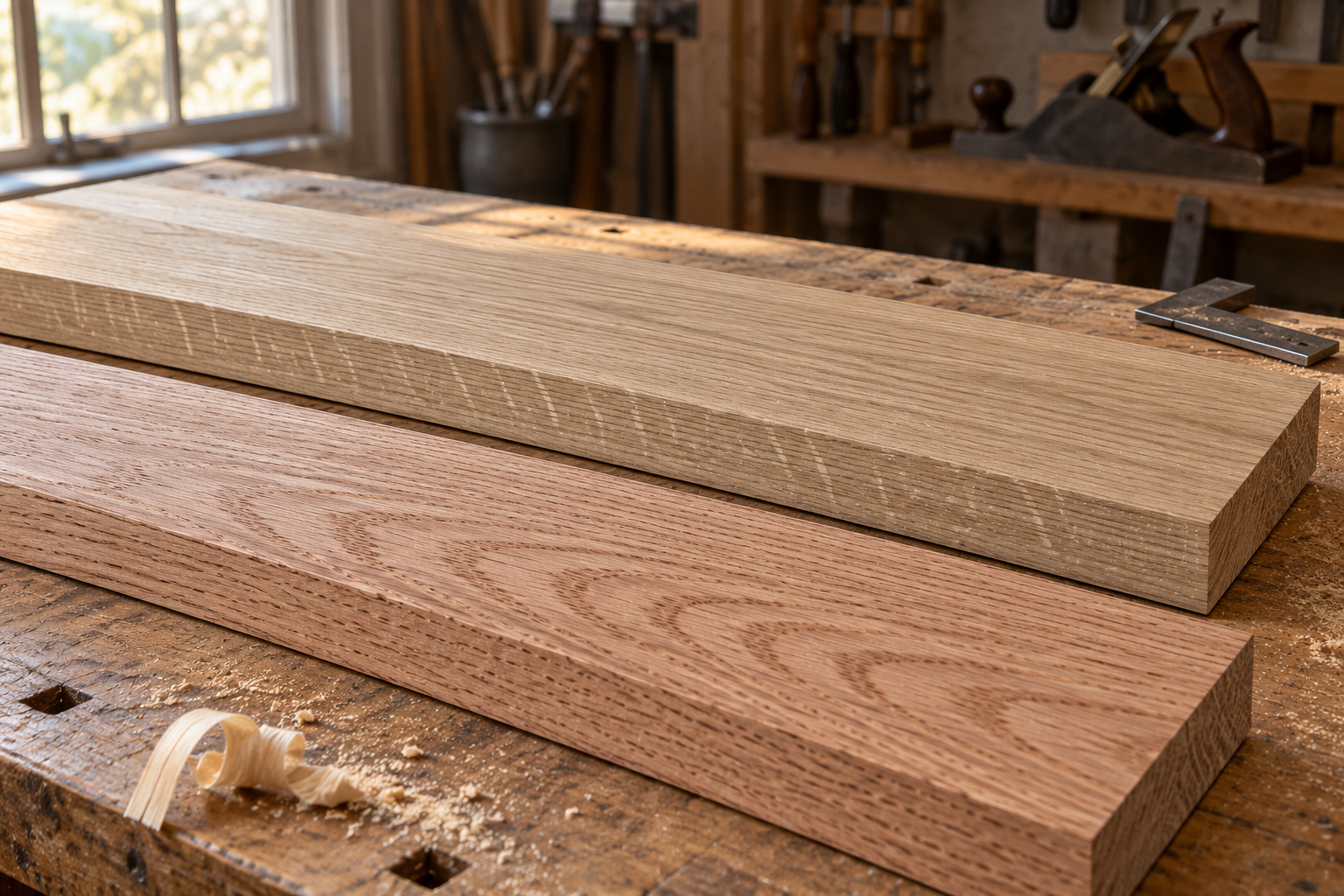
Solid-wood components are cut from lumber rather than manufactured from fibers, particles, or thin plies bonded together. A table can be solid oak, pine, rubberwood, walnut, or another species, and those woods differ greatly in hardness, grain, weight, price, and resistance to dents. “Solid wood” does not automatically mean heirloom quality; thin stock, weak joinery, poor drying, or a fragile finish can undermine an otherwise good material.
Engineered wood is a broad family. Plywood uses cross-laminated wood veneers; medium-density fiberboard, or MDF, uses refined fibers; particleboard uses larger particles; and laminated veneer lumber or other composites serve specialized roles. Furniture may combine an engineered core with real-wood veneer, decorative paper, laminate, or paint. These combinations are not inherently deceptive, but product pages should identify them clearly enough for you to understand what you are buying.
At-a-glance comparison
Use this table as a screening tool, then inspect the specific product.
| Priority | Solid wood | Plywood/veneered panel | MDF or particleboard |
|---|---|---|---|
| Repairing scratches | Often sandable and refinishable | Possible, but veneer limits sanding | Usually difficult, especially with laminate |
| Dimensional stability | Moves across grain with humidity | Usually very stable | Stable when dry; vulnerable if water enters |
| Weight | Moderate to heavy by species | Strong for its weight | MDF can be very heavy |
| Screw holding | Good in sound wood | Often good, especially plywood edges with proper design | Can weaken after repeated assembly |
| Consistent painted surface | Grain may telegraph | Good with preparation | MDF is particularly smooth |
| Typical cost | Often higher | Midrange to premium | Often budget-oriented |
| Moving repeatedly | Durable if joinery is sound | Good when connectors and edges are robust | Flat-pack joints can loosen or crumble |
A mixed-material piece can be the smartest option: solid wood on legs and edges that receive impact, plywood for large panels, and MDF for a smooth painted door. Judge whether each material is used where its properties make sense rather than insisting that every hidden panel be lumber.
Durability depends on construction, not just the core
A solid-wood dresser assembled with weak staples and thin drawer bottoms may perform worse than a plywood case with reinforced corners and quality slides. Look for stable joinery, square construction, properly supported spans, and hardware that can be tightened or replaced. Drawers should open without racking, doors should align, and long shelves should have center support or sufficient thickness for their intended load.
For case goods, examine the back. A well-fitted back panel helps prevent side-to-side racking, while a flimsy sheet tacked loosely to the rear contributes little. On tables, inspect how the legs connect to the apron and whether the top can expand and contract. On engineered panels, check that exposed edges are sealed and connectors are not placed too close to a weak edge. Product weight limits should be specific, not treated as optional suggestions.
Moisture and humidity change the equation
Solid wood absorbs and releases moisture as indoor humidity changes. It expands mostly across the grain, so good furniture construction allows tabletops, door panels, and wide boards to move without splitting. Small seasonal gaps in a frame-and-panel door may be normal; severe warping or checking can indicate poor drying, design, or environmental extremes. Keep any wood furniture away from persistent dampness and direct heat sources.
Plywood is dimensionally stable because adjacent plies cross grain directions. MDF and particleboard also remain flat in normal dry interiors, making them useful for doors and painted panels. Their weakness appears when water penetrates an unsealed edge or damaged surface: the core can swell and may not return to shape. For bathrooms, basements, or homes prone to spills, inspect edge sealing closely and avoid placing vulnerable panels directly on wet floors.
Appearance, veneer, and the possibility of repair
Solid wood offers grain that continues through the material, and many pieces can be sanded, stained, or refinished. Yet refinishing is not unlimited: deep damage, thin components, and factory coatings still require skill. Color also varies naturally between boards. That variation is part of the appeal, but buyers expecting a perfectly uniform tone may prefer a controlled veneer or painted finish.
Real-wood veneer can showcase attractive grain while using stable, resource-efficient panels underneath. High-quality veneer furniture is not imitation wood. The limitation is thickness: aggressive sanding can cut through to the core. Decorative foil and wood-look laminate are different materials and generally cannot be refinished like veneer. Ask what the visible surface is, especially when a listing uses vague phrases such as “wood finish” or “wood construction.”
Cost, value, and expected ownership
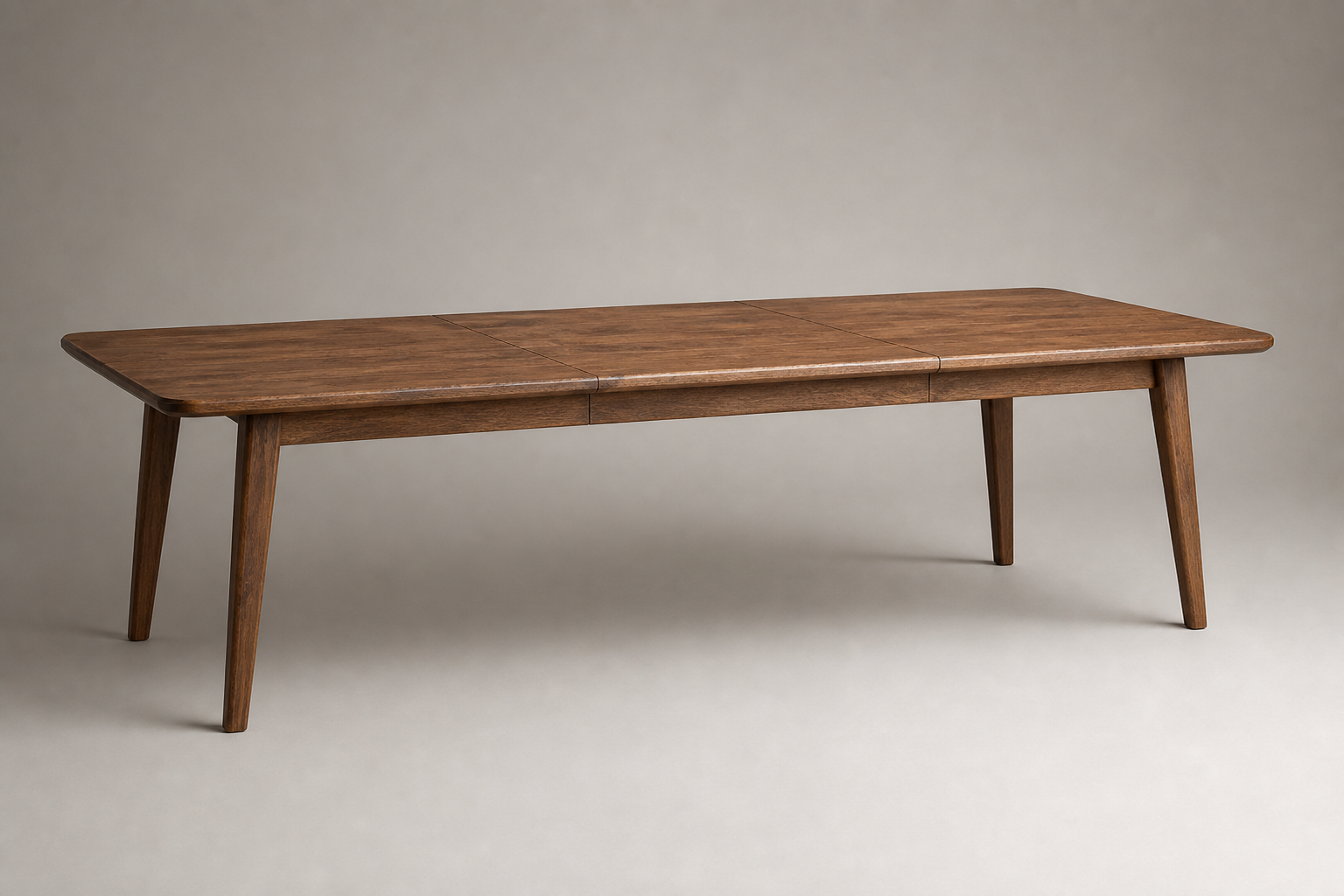
Solid wood usually carries higher material and labor costs, especially in large pieces and premium species. It can be worthwhile for a <a href="/products/article-seno-71-dining-table-walnut/" class="product-inline-link">dining table</a>, desk, bed, or storage piece that you intend to keep and repair. Budget solid pine may dent more easily than hardwood but can still offer good value when construction is sound. Paying for solid wood makes less sense if the design is inconvenient, the dimensions are wrong, or the joinery cannot withstand use.
Engineered materials make large, consistent surfaces possible at lower prices and can reduce weight in plywood construction. They suit renters, growing households, and rooms where needs may change. However, a cheap item replaced repeatedly is not automatically economical. Include delivery, assembly, moving, repairability, and disposal in the value calculation. For a large purchase such as the best <a href="/products/article-conan-75-oval-dining-table-walnut/" class="product-inline-link">dining table</a> for six people, verify clearances and everyday usability before upgrading the material.
Match the material to the furniture type
Dining and work surfaces take concentrated loads, spills, heat, and abrasion. Solid wood and quality veneered plywood can both work, provided the finish is durable and the structure controls movement. For desks, pay attention to sag across long spans, monitor-arm clamping zones, and cable openings. Our guide to the best adjustable-height desk highlights why frame stability and rated load matter as much as the desktop material.
Bookcases need particular scrutiny because books create sustained weight. Thick plywood shelves or solid-wood shelves with front-edge reinforcement can resist sag; long particleboard shelves often need more support. Anchor tall units to a suitable wall structure using the supplied hardware or an appropriate alternative. When comparing the best bookshelf for a living room, use the shelf load rating and anchoring design—not appearance alone—as decision points.
How to evaluate furniture online
Read the materials section line by line. Look for component-specific descriptions such as “solid rubberwood legs, plywood frame, MDF drawer fronts” rather than a single broad claim. Zoom into underside, rear, edge, hinge, and drawer photos. Assembly instructions can be especially revealing because they show panel thickness, connector type, number of supports, and whether the piece can be disassembled for moving.
Check dimensions against your doorway, stairs, elevator, and intended room. Read reviews for recurring structural patterns: doors drifting out of alignment, shelves sagging, cam locks tearing out, veneer lifting, or tops cracking. A single damaged shipment proves little, but repeated reports of the same failure deserve attention. Confirm the warranty, spare-part policy, return freight, and whether white-glove delivery includes packaging removal or anchoring.
Safety, emissions, and indoor air considerations
Tall dressers, bookcases, and cabinets can tip when drawers are opened or a child climbs on them. Anchor them according to the manufacturer’s instructions, using fasteners suited to the wall structure. Do not assume a heavy solid-wood piece cannot tip. Keep heavier objects low, respect shelf capacities, and avoid placing televisions on furniture not rated for that purpose.
Adhesives and finishes in both solid and engineered products can release volatile organic compounds. Odor alone does not quantify exposure, but strong or persistent fumes justify ventilation and a conversation with the seller. Look for credible emissions information applicable to your region, particularly for nurseries and small rooms. Do not sand unknown coatings or composite panels indoors; dust control and appropriate respiratory protection are important, and older furniture may require testing before disturbing finishes.
Common buying mistakes to avoid
The first mistake is treating “solid wood” as a complete quality grade. Species, moisture content, board selection, joinery, and finish still matter. The second is assuming all engineered wood is disposable. Furniture-grade plywood and carefully veneered panels can outperform poorly designed lumber in wide, flat applications. Conversely, marketing language such as “wood products” should not be mistaken for a precise material disclosure.
Another mistake is ignoring how often the piece will move. Cam-lock particleboard furniture can work well when assembled once and left in place, but repeated disassembly may reduce fastener holding. Do not improvise larger screws in crumbling panels without understanding the structure. Avoid overloading shelves to compensate for inadequate storage; choose a unit with verified ratings and enough supports from the start.
When restoration or professional help makes sense
A furniture repair specialist can stabilize loose solid-wood joints, patch veneer, replace drawer runners, and refinish damaged surfaces. Professional work makes sense for valuable pieces, sentimental items, complex finishes, or structural failures where a poor repair could make the furniture unsafe. Veneer bubbles and split panels often require pressure, controlled adhesive placement, and matching skills that are difficult to achieve with a quick surface fix.
Stop using a piece if it rocks severely, a leg joint opens under load, a shelf is visibly failing, or an anchoring point has pulled out. A wall-anchor problem may require a qualified installer, particularly with masonry, metal studs, unusual wall systems, or concealed utilities. Furniture is not worth preserving in service when its structure cannot safely support its intended use.
Frequently asked questions
Is solid wood always more durable than engineered wood?
No. Sound hardwood and softwood furniture can last a long time, but construction determines performance. Quality plywood can be stronger and more stable than poorly joined solid wood, while low-density particleboard is generally less tolerant of moisture and repeated fastener use.
Is MDF bad for furniture?
MDF is useful for smooth painted doors, panels, and shaped profiles. It is heavy, creates fine dust when machined, and can swell if water reaches the core. Its suitability depends on thickness, edge sealing, support, and location.
Can veneered furniture be refinished?
Often, but only carefully. Real-wood veneer may accept light repair and refinishing, while deep sanding can expose the substrate. Decorative paper or laminate cannot be treated like wood veneer.
Which material is best for renters?
Stable plywood or well-designed modular furniture often tolerates moves well. Budget flat-pack pieces can also suit short-term needs, but inspect connector durability and whether the product is intended for disassembly and reassembly.
How can I tell what a piece is made from?
Read component-level specifications and assembly instructions, then inspect edges, undersides, drawer interiors, and backs. Ask the retailer whether visible surfaces are solid wood, real veneer, laminate, or printed foil if the listing is unclear.