Hunting note
Start with the decision, then inspect the details.
A practical guide for homeowners and renters researching furniture purchases online on performance fabric sofa pros cons, covering the best next steps, tradeoffs, and when to call a pro.
Performance fabric can make a sofa easier to live with, but the label is not a guarantee against every stain, scratch, odor, or cleaning mistake. These textiles are designed to improve qualities such as stain release, abrasion resistance, fading resistance, or moisture repellency. The actual benefit depends on the fiber, weave, treatment, backing, cushion construction, and care instructions.
For a busy living room, performance upholstery is often worth considering. For a formal room with light use, you may prefer a natural textile based on feel, appearance, or repairability. Compare measurable specifications and fabric samples rather than paying more for a vague marketing term.
What “performance fabric” actually means
Performance fabric is an umbrella description, not one standardized material. Some products achieve durability through solution-dyed synthetic fibers; some use a tightly woven structure; others add a topical stain-resistant finish. Polyester, acrylic, olefin, nylon, and blends are common, but natural fibers can also be engineered or treated for improved performance. Two fabrics carrying the same label can behave very differently.
Ask what the textile is designed to resist. A fabric optimized for fading on a sunlit patio-style sofa may not release oily food stains as well as one designed for indoor dining. “Water-resistant” is not the same as waterproof, and a repellent surface does not protect seams, zipper openings, cushion inserts, or the sofa frame from a large spill. Clear documentation is more useful than a broad promise of being family-proof.
Quick comparison of the main tradeoffs
This table helps frame the decision before you order samples.
| Factor | Potential advantage | Possible drawback | What to verify |
|---|---|---|---|
| Stains | Many spills blot up more easily | Oils, dyes, and dried stains may remain | Cleaning code and excluded substances |
| Wear | High abrasion resistance can suit daily use | Pilling and seam wear still occur | Test method, rating, weave, and warranty |
| Sunlight | Some solution-dyed fibers resist fading | Not every indoor fabric is UV-rated | Lightfastness information |
| Feel | Modern options can be soft and varied | Some feel slick, stiff, or synthetic | Large sample in real room light |
| Cleaning | Routine care may be simple | Wrong solvent or machine washing can damage it | Manufacturer’s exact instructions |
| Cost | May extend useful appearance | Premium can be substantial | Compare construction and replacement covers |
| Environment | Longer service life can reduce replacement | Synthetic fibers may shed and are hard to recycle | Fiber content, certifications, longevity |
The upholstery should never distract from frame and cushion quality. A stain-resistant cover over weak suspension or low-density cushions is still a poor long-term purchase. Evaluate the entire sofa, not one feature.
Pro: better resistance to everyday spills
The clearest advantage is extra time to respond when a drink or food lands on the sofa. Many performance fabrics slow liquid absorption, allowing you to blot rather than scrub. This can reduce visible staining in households where the living room doubles as a movie room, play area, or casual dining space. Removable covers add another layer of practicality when the manufacturer permits cleaning them separately.
Resistance has limits. Colored drinks, ink, cosmetics, grease, and transferred dye can be difficult even on high-performing textiles. Liquids can migrate through seams or between cushions, where they reach foam and batting. Keep a clean white absorbent cloth nearby, follow the care label promptly, and avoid saturating the area. Never assume an online demonstration using water proves protection against every household substance.
Pro: durability for heavily used seating
A tight weave and durable fiber can resist abrasion from repeated sitting, shifting, and cushion rotation. That makes performance upholstery appealing for a primary family sofa or sectional. Commercial-style test results can provide a useful comparison, though a higher abrasion number does not predict every real-life failure. Seams, welting, zippers, backing, and cushion friction all influence wear.
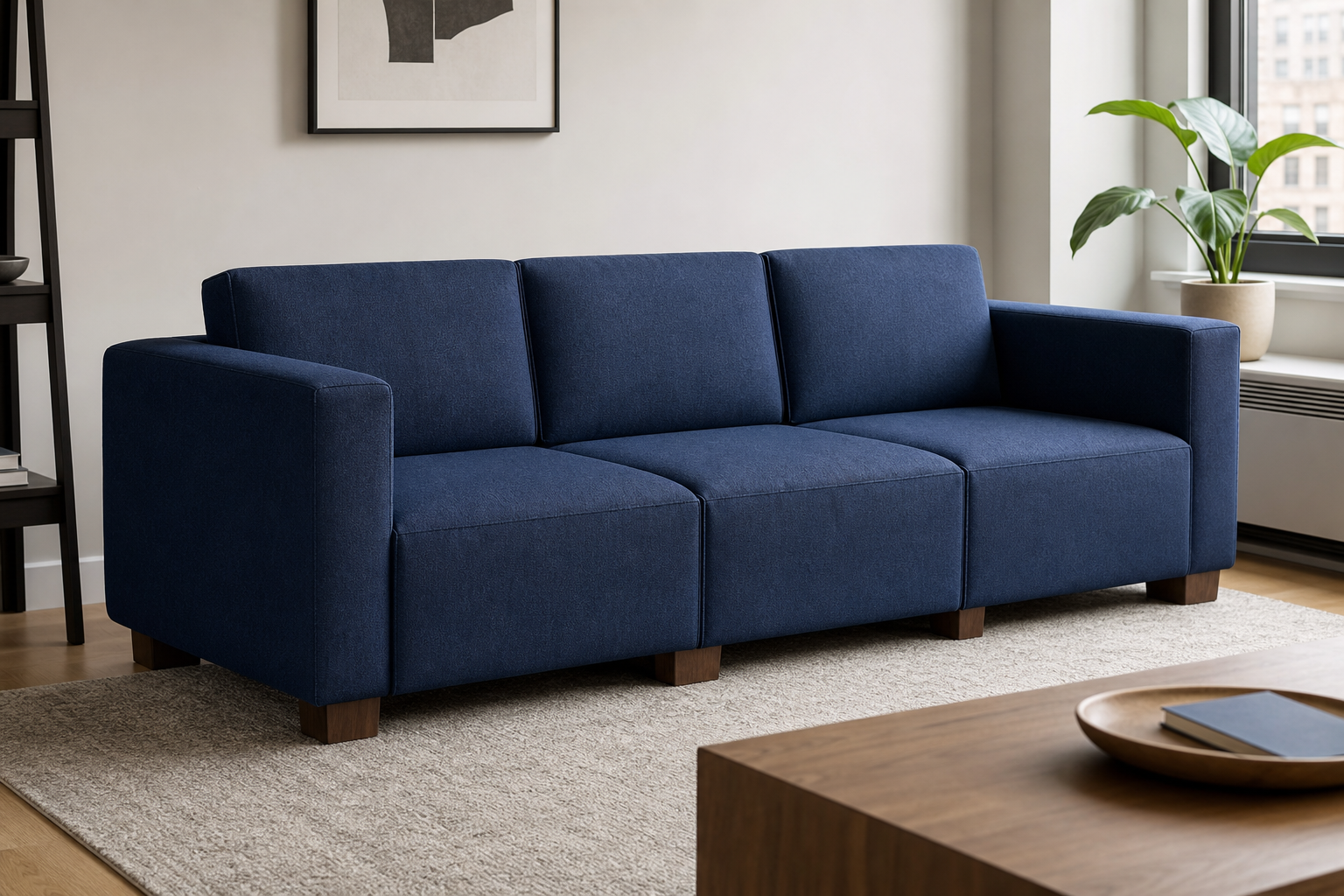
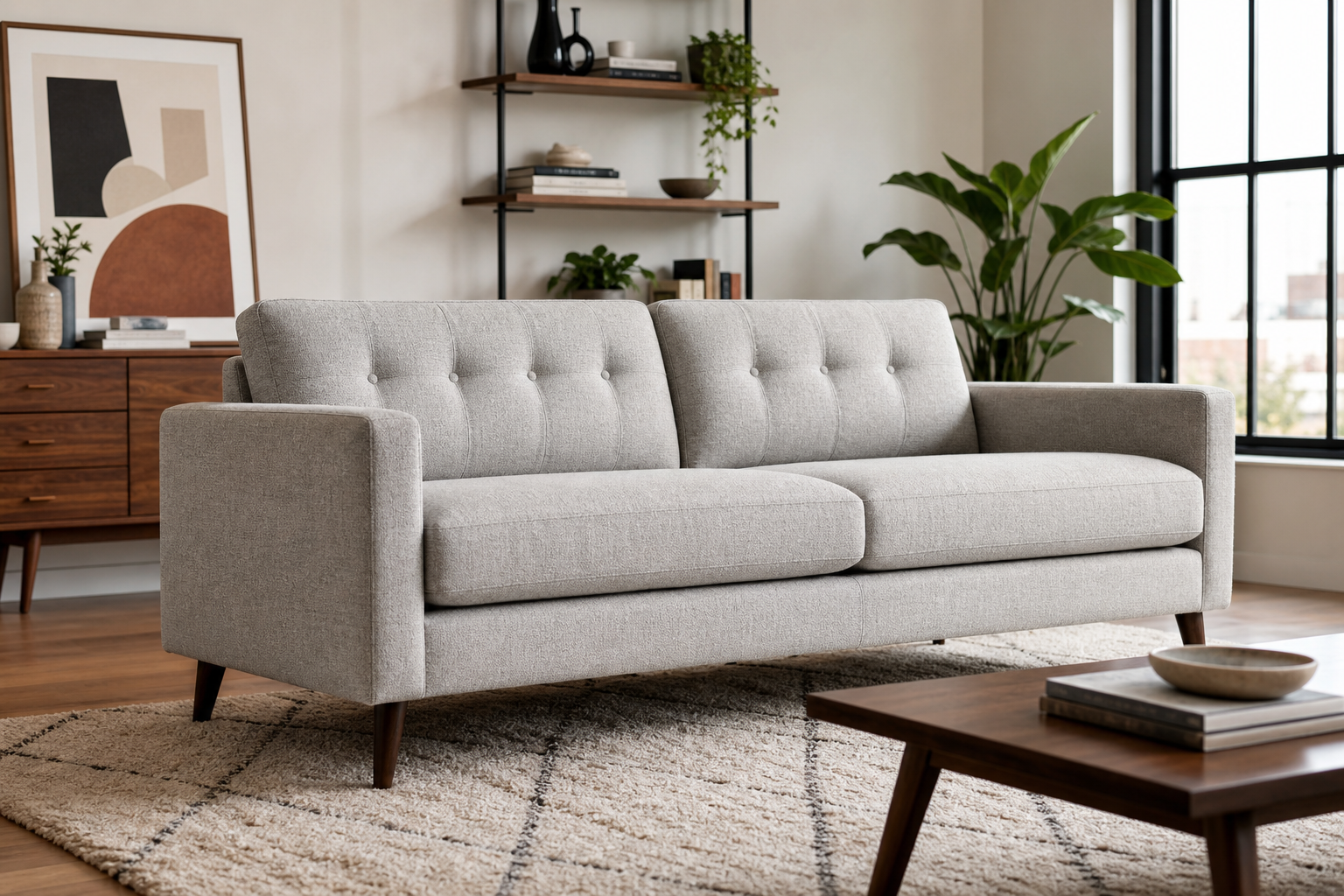
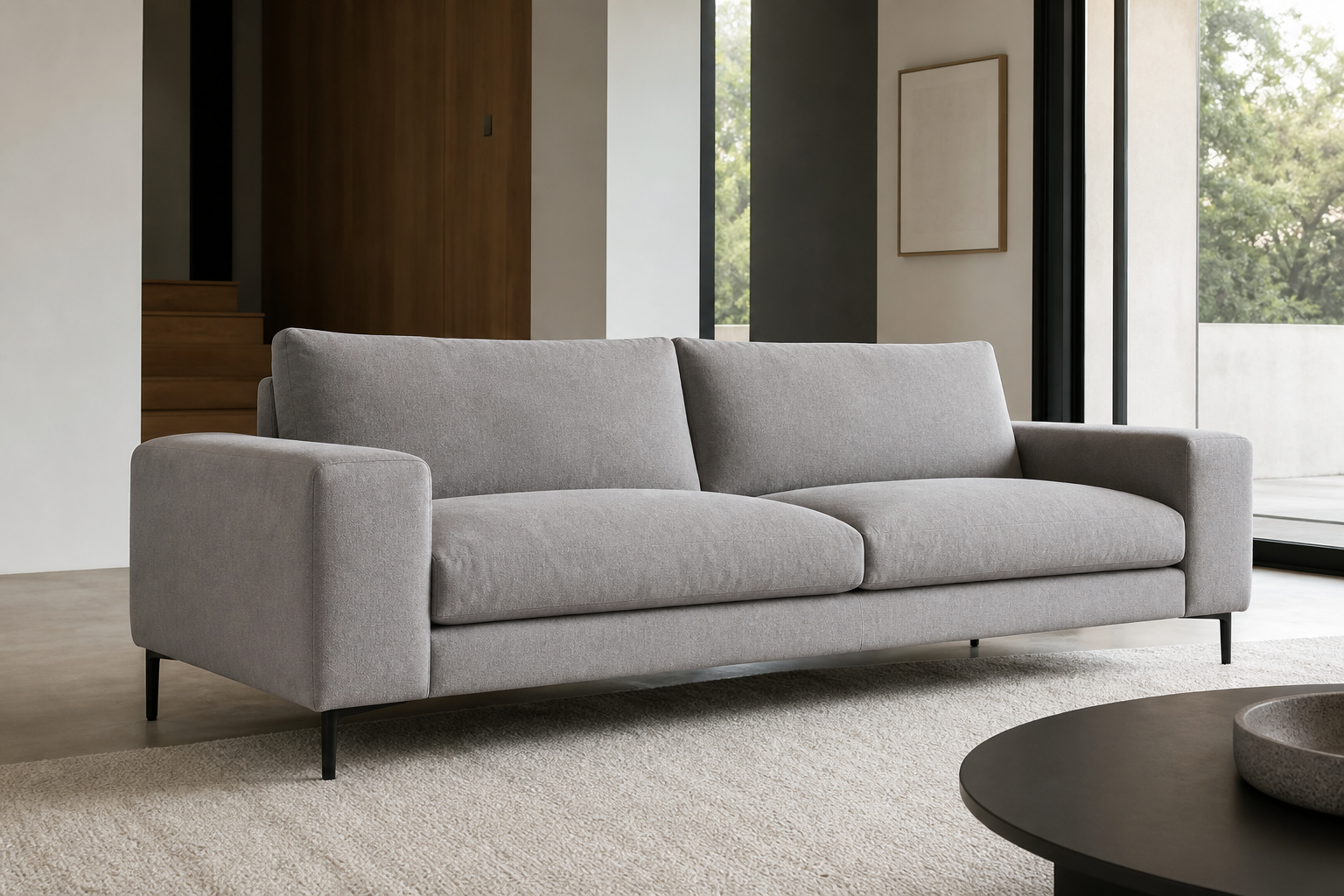
Durability is especially useful on modular furniture that gets rearranged or used in small spaces. When comparing the best modular sofa for apartments, inspect connector strength, cover alignment, module dimensions, and replacement-part availability alongside the fabric. A robust textile cannot prevent modules from drifting or cushions from collapsing, but it can help the surface retain a presentable appearance through frequent use.
Pro: useful choices for bright rooms
Some performance fabrics, particularly solution-dyed acrylics and certain olefins, offer improved colorfastness because pigment is integral to the fiber. This can be valuable near large windows. Better fade resistance may preserve a consistent color between exposed arms and shaded cushion areas, although intense sunlight and heat still age textiles and underlying materials.
Verify that the specific indoor fabric has a published lightfastness claim; do not infer it from the category. Window films, shades, and rotating loose cushions can reduce uneven exposure, but ensure window treatments are suitable for the glazing. Even a fade-resistant cover does not protect wood, foam, adhesives, and thread indefinitely. If a room receives harsh direct sun every day, request a sample and leave part of it exposed for comparison before committing.
Con: performance claims can be vague
Retail pages often emphasize lifestyle language while omitting the test method, fiber content, cleaning code, or warranty exclusions. “Stain-proof,” “pet-proof,” and “life-proof” are terms to approach skeptically. A useful specification identifies the property tested, the result, and the applicable care conditions. If customer service cannot explain the claim, treat it as marketing rather than a reliable purchasing criterion.
Look for consistent documentation across the sofa maker and fabric supplier. Ask whether protection comes from the fiber or a surface treatment, whether the finish changes over time, and which cleaners void the warranty. Also ask whether replacement yardage or covers will remain available. The best assurance is not dramatic spill footage; it is a realistic care guide, transparent limitations, and support when a problem occurs.
Con: texture, comfort, and appearance vary
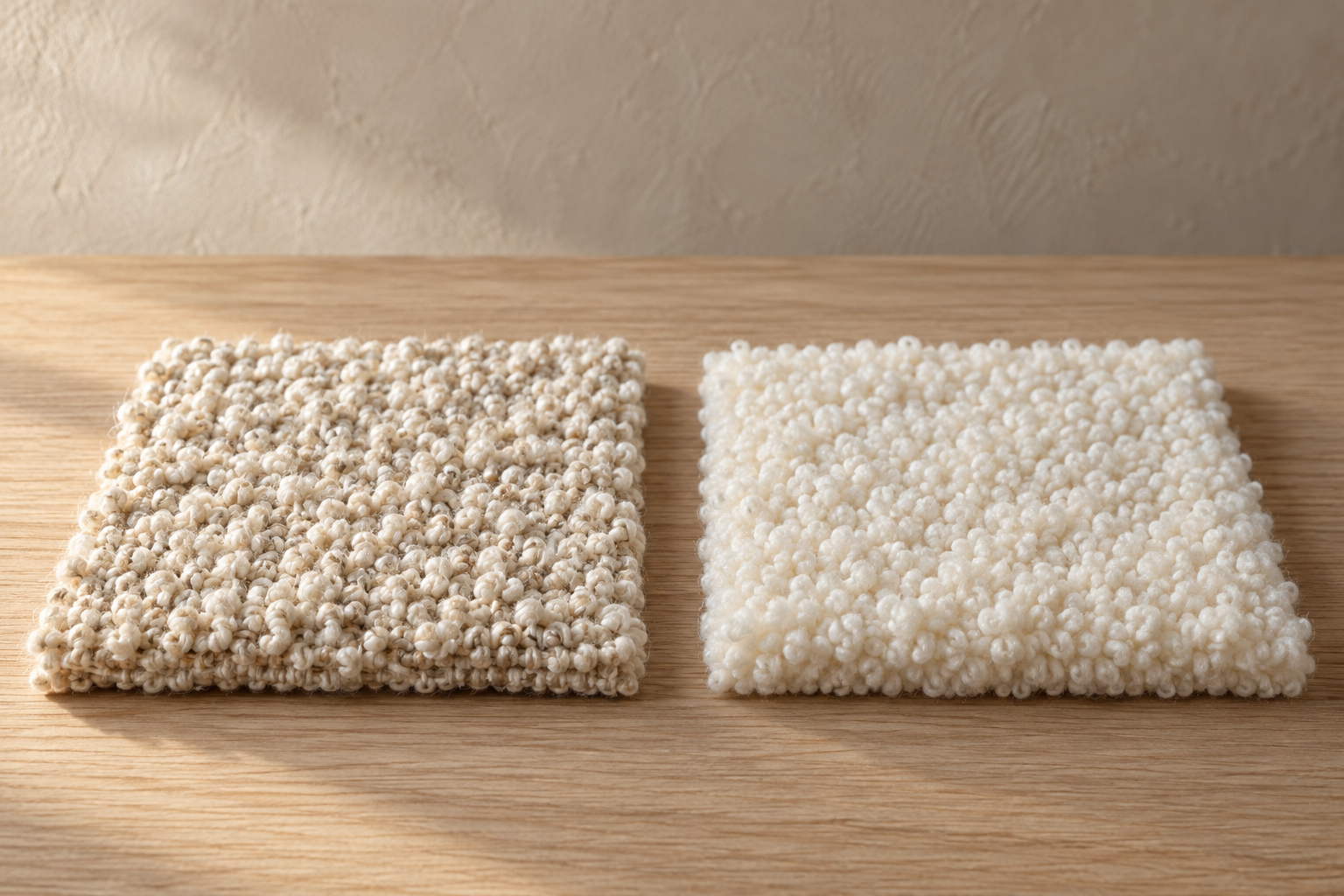
Older performance textiles had a reputation for feeling stiff or plastic-like, and although current options are far broader, hand feel still varies. Tightly woven synthetics can feel warm or slick, while textured weaves may catch lint and crumbs. Brushed surfaces can show pressure marks, and bold bouclé-like loops can snag even if the underlying fiber is abrasion resistant.
Order the largest samples available and assess them against bare skin, clothing, daylight, and evening lighting. Rub two layers together to hear whether the fabric is noisy. Bend the swatch to see whether the backing becomes visible. Compare it with other textures in the room; an affordable bouclé chair may provide a tactile accent while a smoother performance sofa handles daily use more predictably.
Con: not every stain or cleaning method is covered
A water-based spill may clean easily while oily residue darkens the fabric. Denim dye, sunscreen, hair products, marker ink, and strong pigments can transfer or bond differently. Topical protection can also be compromised by aggressive cleaners. Scrubbing may distort the nap, create a ring, spread the stain, or remove finish from a larger area than the original mark.
Follow the upholstery cleaning code and the manufacturer’s instructions. A “W” code generally permits approved water-based methods, “S” calls for specified solvent methods, “W/S” allows either within guidance, and “X” typically limits care to vacuuming or professional attention. These codes do not authorize every product in that category. Test any approved cleaner in a hidden location and never mix chemicals. Ensure ventilation and keep ignition sources away from solvent products.
Pets, children, and real household use
No upholstery is immune to claws, chewing, sharp toys, jumping, or repeated soiling. Tightly woven, low-loop fabrics are generally less snag-prone than large, loose textures, but seams and cushion edges remain vulnerable. Odor can penetrate beyond the cover into inserts and decking. If washable slipcovers are a priority, confirm that “removable” also means machine-washable; many zippered covers are intended only for professional cleaning.
For children, consider more than stains. Rounded corners, stable modules, secure connectors, and flame-safety compliance applicable to your location matter. Do not apply aftermarket chemical protectors without reviewing their ingredients, ventilation needs, and compatibility. A washable throw can protect a high-contact area, but it should not create an entanglement or slipping hazard. The best sectional sofa for a family is the one that balances cleanability with safe, supportive construction.
Environmental and indoor-air considerations
Synthetic performance fibers can provide long service, which may reduce replacement frequency, but they are generally difficult to recycle in upholstered assemblies and may shed microfibers during use or cleaning. Topical treatments introduce another set of questions. If chemical content matters to you, ask for specific disclosures and credible third-party certifications rather than relying on labels such as “eco-friendly” or “non-toxic” without criteria.
New sofas can emit odors from fabric, foam, adhesives, finishes, and packaging. Ventilate the room and follow manufacturer guidance. A strong odor does not identify a particular compound, while a lack of odor does not prove an absence of emissions. Buyers with sensitivities should request material and emissions information before delivery and confirm the return policy, since moving and return freight for a large sofa can be expensive.
How to compare performance sofas before buying
Begin with the room and use pattern. Measure doors, stairs, halls, elevators, and the final footprint. Decide whether the sofa will receive daily meals, direct sun, overnight guests, or frequent moves. Then compare frame material, suspension, cushion composition, seat depth, seat height, module connection, upholstery, warranty, and service access. A premium fabric cannot compensate for dimensions that are uncomfortable or impossible to deliver.
Request swatches of every serious option. Stain testing a spare swatch can be informative, but obtain permission and use realistic substances without exposing people or surfaces to unsafe chemicals. Blot according to instructions and let it dry fully. Read owner reviews for repeated issues such as pilling, seam separation, color transfer, cushion migration, and cleaning rings. Recurring patterns are more meaningful than isolated praise or complaints.
Care habits that protect the investment
Vacuum gently with an upholstery attachment to remove grit that abrades fibers. Rotate and flip cushions if the design allows, and keep hook-and-loop tabs aligned so covers do not creep. Blot spills from the outside inward with a clean white cloth. Avoid hard brushing, excess liquid, steam, or heat unless specifically approved. Clean all adjacent sections as directed when spot treatment would create a visible boundary.
Keep the sofa away from radiators and maintain reasonable indoor humidity. Protect it during moves with breathable wraps rather than dragging or lifting by loose cushions. Check legs and modular connectors periodically, but do not overtighten fasteners into wood or composite framing. If covers shrink, seams open, dye transfers, or a cleaning attempt changes texture, stop and contact the manufacturer or a qualified upholstery cleaner.
When professional cleaning or repair is smarter
Seek professional help for large spills, persistent odor, unknown stains, delicate textures, solvent-only codes, water rings, or contamination that has reached the cushion insert. Describe the fiber, cleaning code, product used, and age of the stain. A competent cleaner should explain the method and risks rather than promise a perfect result without inspection.
Stop using the sofa if the frame cracks, a support fails, springs or hardware protrude, modules separate unexpectedly, or the piece becomes unstable. Upholstery performance does not address structural safety. Warranty service, a furniture repair specialist, or replacement may be necessary. Do not conceal a sharp or failed structure beneath a cover and continue loading it.
Frequently asked questions
Is performance fabric waterproof?
Usually not. Many options resist or repel liquid for a period, but seams, cushion openings, and prolonged exposure allow penetration. Treat spills promptly and follow the care guide.
Does performance fabric feel like plastic?
Some does, but many current fabrics feel soft, woven, or textured. Fiber and finish vary, so a physical swatch is essential.
Is it worth paying extra for a performance sofa?
It can be for heavily used rooms, frequent spills, or strong sunlight when the specific fabric addresses those risks. It is less valuable when claims are vague or the sofa’s frame and cushions are mediocre.
Can I machine-wash removable performance covers?
Only if the manufacturer explicitly says so. A zipper often exists for upholstery assembly, not home laundering. Washing can shrink covers or damage backing and stain treatments.
Will performance fabric prevent pet damage?
No fabric prevents all clawing, chewing, hair, or odor. A tight, low-texture weave may reduce snagging, but training, nail care, protective layers, and prompt cleaning still matter.