Hunting note
Start with the decision, then inspect the details.
A practical guide for homeowners and renters researching furniture purchases online on marble vs quartz table top durability, covering the best next steps, tradeoffs, and when to call a pro.
Marble and quartz can both make a substantial, long-lasting tabletop, but they withstand daily life in different ways. Marble is natural stone with distinctive veining; it tolerates heat reasonably well but scratches, stains, and etches when acidic liquids contact its calcium-based surface. Engineered quartz is a manufactured slab made from mineral particles, pigments, and resin. It is generally less porous and more resistant to staining, yet high heat, strong sunlight, harsh chemicals, and concentrated impact can damage its resin-bound surface.
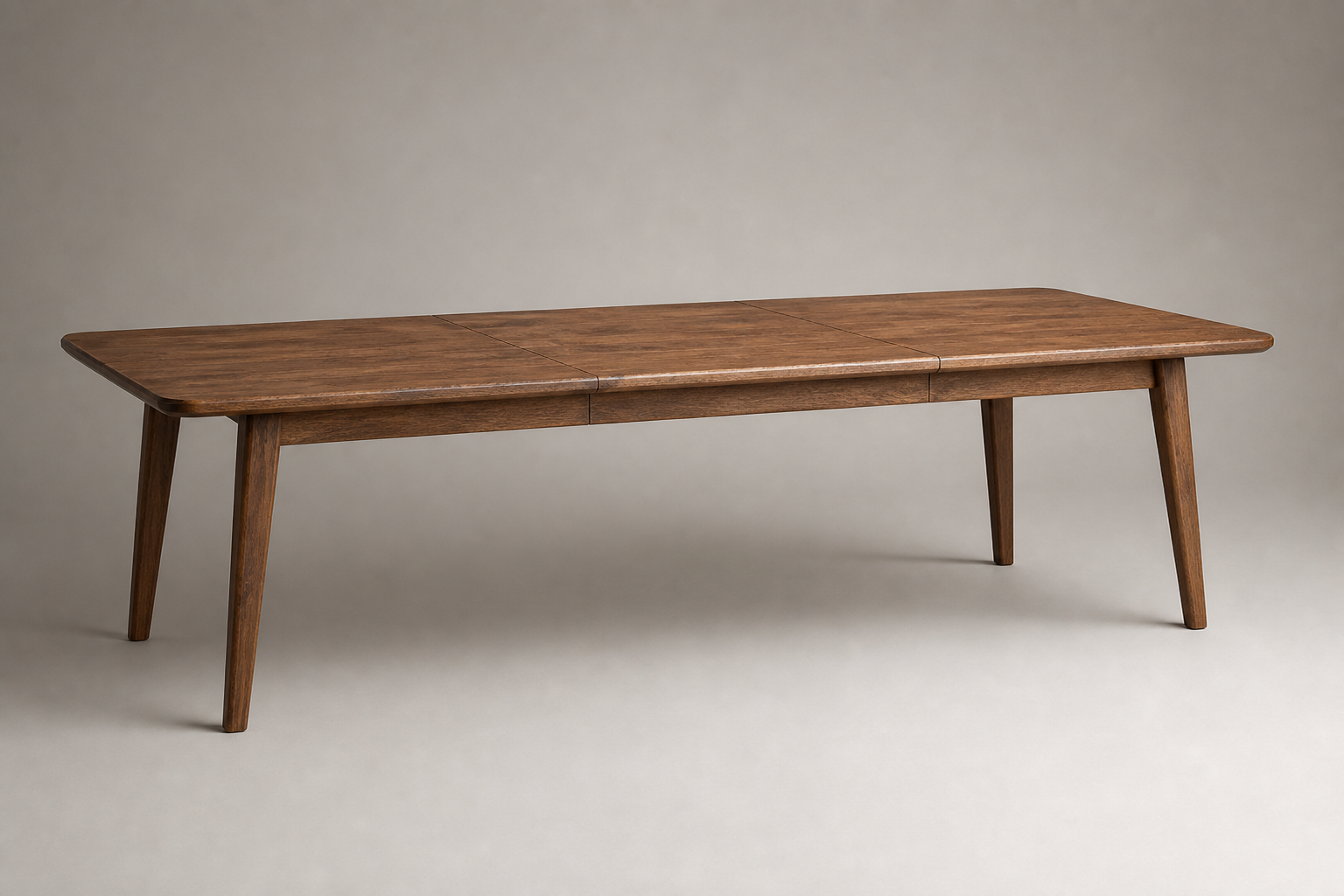
For a busy <a href="/products/article-seno-71-dining-table-walnut/" class="product-inline-link">dining table</a> used by children, frequent hosts, or people who do not want regular sealing, quartz is usually the lower-maintenance choice. Marble suits buyers who value one-of-a-kind natural variation and can accept patina, use coasters and trivets, and maintain the finish. Neither material is indestructible, and the quality of the slab, fabrication, base, edge, and installation matters as much as the headline material.
Compare What “Durable” Means in Your Room
Durability is not one property. Before choosing, decide which threats the tabletop will face: spilled wine or citrus, hot serving dishes, metal objects, direct sun, children’s craft materials, heavy centerpieces, or frequent moving. Marble may survive heat that would discolor some quartz resins, yet a lemon wedge can leave a dull etch. Quartz may shrug off many food stains, but a hot pan can cause discoloration or thermal damage.
Also consider your tolerance for visible aging. Marble develops fine scratches, etching, and changes in sheen that many owners call patina. On polished white stone, those marks can stand out in raking light. Quartz maintains a more uniform appearance, but a chip, scorched patch, or faded area may be harder to blend because the pattern is manufactured. A material is durable for you only if its normal wear still looks acceptable in the intended setting.
| Daily-life factor | Marble | Engineered quartz |
|---|---|---|
| Acidic spills | Can etch quickly | Usually more resistant; still clean promptly |
| Staining | Varies by stone and sealer | Generally low porosity |
| Hot dishes | Stone tolerates heat, but thermal shock remains possible | Resin can discolor or scorch; always use trivets |
| Scratches | Can scratch and lose polish | Generally scratch-resistant, not scratch-proof |
| Direct sunlight | Usually color-stable | Some products may fade or discolor |
| Maintenance | Often requires periodic sealing | Usually no sealing required |
| Pattern | Unique natural variation | More consistent and selectable |
Understand Marble’s Strengths and Weak Points
Marble is a dense natural stone that can remain structurally sound for decades when properly supported. Its visual depth and irregular veining cannot be exactly replicated, and minor wear can complement traditional or relaxed interiors. A honed finish tends to disguise etching and small scratches better than a mirror-like polish. Marble also does not contain a resin binder that can react to a hot pan, although sudden temperature changes can still stress stone.
Its chief weakness is chemical rather than simply absorbency. Acid reacts with marble, so vinegar, citrus, wine, tomato sauce, and some cleaners can dull the surface even if a sealer prevents staining. Sealer does not make marble acid-proof; it buys time against absorption. Dark pigments and oils can penetrate if left standing, especially on a worn or inadequately sealed surface. Chips are most likely at unsupported corners, sink-like cutouts in custom tables, or elaborate thin edges.
Understand Quartz’s Strengths and Weak Points
Engineered quartz offers a consistent slab with low porosity and broad resistance to common household stains. It normally needs no periodic sealing, and routine cleaning is straightforward. Because buyers can inspect a sample and expect a related pattern, it is easier to coordinate multiple table leaves or nearby surfaces. For households that prioritize a predictable finish, that consistency is a practical form of durability.
Quartz still requires care. The polymer resin can be affected by high heat, prolonged ultraviolet exposure, solvents, and aggressive alkaline or abrasive cleaners. Manufacturers set different temperature and outdoor-use limits, so generic advice is not enough. A heavy blow can chip an edge, and the stone-rich slab is not flexible; poor support may allow cracking. Repairs can be visible, particularly on uniform colors or patterns that do not conceal filled areas.
Evaluate Stains, Etching, and Everyday Spills
On marble, wipe spills rather than rubbing them across the surface. Blot colored or oily liquids promptly with a soft absorbent cloth, then clean with a pH-neutral stone product. If a dull mark remains after an acidic spill, it is likely etching—not a stain trapped beneath the surface. A poultice intended for the specific stone may draw out certain stains, but it will not restore lost polish. Etching may require refinishing by a stone professional.
Quartz is less likely to absorb a spill, but dried residue and pigments can still cling to texture or seams. Use a mild cleaner approved by the slab maker and a nonabrasive cloth. Avoid paint remover, oven cleaner, concentrated bleach, and improvised solvent mixtures. Always check the care warranty before using a stain treatment. On both materials, coasters, placemats, and prompt cleanup are inexpensive protection, especially around lemon, wine, coffee, ink, oil, and children’s art supplies.
Account for Heat, Sunlight, and Thermal Shock
Use trivets on both surfaces. Marble’s mineral body handles moderate warmth, but a very hot object can cause thermal shock, affect a repaired area, or damage a coating beneath a decorative finish. A tabletop may also contain adhesive, mesh backing, or filled fissures whose limits differ from the stone itself. Never assume a table performs like a thick commercial countertop.
Quartz manufacturers are especially cautious about direct heat because resin may discolor or lose strength. Avoid placing cookware, countertop appliances that exhaust hot air, candles, or tabletop fire features directly on it. Sunlight matters too: verify that a chosen quartz product is rated for the room if the table sits in a bright conservatory or near large windows. Neither material should be selected for an <a href="/products/ikea-nammaro-round-outdoor-table/" class="product-inline-link">outdoor table</a> without explicit manufacturer approval for exposure and freeze-thaw conditions.
Look Beyond the Slab to Thickness, Edges, and Support
A durable top needs a base designed for its weight and span. Stone is heavy, and a narrow pedestal that looks elegant may allow tipping or excessive flex. Ask the seller for total table weight, base footprint, attachment method, allowable overhang, and floor-protection requirements. Compare those dimensions with the practical clearance guidance in our guide to choosing a <a href="/products/article-conan-75-oval-dining-table-walnut/" class="product-inline-link">dining table</a> for six people, especially if chairs must fit around a central base.
Inspect the edge profile and underside. Thin-looking tops may be solid slab, laminated edges, or a thinner stone bonded to another substrate. Each construction has different repair and moisture implications. Rounded or eased edges resist small chips better than sharp, intricate profiles. Natural fissures in marble are not automatically defects, but ask whether they are resin-filled or reinforced. For quartz, confirm that seams and color lots match and that the fabricator follows the slab manufacturer’s support specifications.
Plan for Cleaning and Long-Term Maintenance
Marble maintenance begins with knowing the exact stone and finish. The fabricator should explain whether it was sealed, which sealer was used, and how to judge when reapplication is needed. Calendar-based sealing advice can be misleading because absorption and use vary. Clean with a soft cloth and pH-neutral stone cleaner; avoid vinegar, lemon-based sprays, abrasive powders, and rough pads. A honed surface may be refinished locally more gracefully than a high polish, but professional work is safest on a valuable table.
Quartz typically needs mild soap or an approved surface cleaner, followed by a clean-water wipe so residue does not build up. Avoid sitting or standing on either tabletop, even when the slab feels solid. Do not drag ceramic planters, metal décor, or appliances across it. Use felt or cork pads beneath accessories, but check occasionally that moisture is not trapped beneath them. Care habits matter more than occasional intensive cleaning.
Compare Appearance, Repairability, and Resale
Every marble slab is unique, so buy from the actual slab or tabletop rather than a small sample whenever possible. Bookmatched veining, filled natural voids, and color variation can be beautiful, but they should be disclosed. Damage may sometimes be blended through honing, polishing, filling, or embracing a broader patina. Exact replacement is difficult because another slab will not match perfectly.
Quartz gives you more pattern control, which helps when buying coordinated pieces. However, product lines and color lots change. A replacement years later may be unavailable or visibly different. Resin-filled chip repairs can look good but rarely become literally invisible. For resale, condition and style often matter more than material prestige. A heavily etched luxury marble top may appeal less than a clean midrange quartz one, while a well-aged marble table can remain desirable in a design-led market.
Match the Material to the Table’s Job
For a primary family dining table, quartz often wins on stain resistance and easy upkeep, provided everyone uses trivets. For a formal dining room with occasional use, marble’s sensitivity may be easier to manage. On a <a href="/products/article-amoeba-42-5-coffee-table-walnut/" class="product-inline-link">coffee table</a>, both materials encounter cups, feet, toys, and remote controls; rounded edges and a stable base may matter more than stain ratings. Buyers furnishing a tight room can also review our coffee tables for small spaces before committing to a heavy slab that is difficult to reposition.
For a desk or craft table, think about ink, blades, monitor arms, and equipment heat. Neither surface should be used as a cutting board, and clamp-on accessories can concentrate force along an edge. A writing mat protects both the finish and your hands from a cold hard surface. Commercial settings need documentation for fire, accessibility, cleaning chemicals, and load—not assumptions based on residential marketing.
Treat a Heavy Stone Table as a Safety Issue
Marble and quartz tops can cause severe crush injuries if they tip, slide, or fall during assembly. Do not let children climb on the table, sit on an overhang, or pull themselves up by an unsupported edge. Stop using a table that rocks, has loose fasteners, shows a widening crack, or separates from its base. Keep the area clear until a qualified furniture installer or stone fabricator has assessed it; improvised brackets, adhesive, or wall straps do not correct an undersized base.
Large tops should be carried and installed by trained professionals using equipment rated for the load. Never attempt to catch a falling slab, lift one alone, or move it by gripping a projecting corner. Ask the installer to confirm base capacity, attachment, floor level, and overhang support before use. In homes with children or vulnerable adults, favor rounded edges and a broad, stable base, and follow any manufacturer anchoring or placement instructions. If the floor appears damaged or unable to support the load, consult an appropriate building professional before delivery.
Inspect Before Buying and Before Delivery
Request a material specification, warranty, care guide, and written description of the construction. Examine the surface under side light for scratches, fill, pits, resin marks, uneven polish, and edge chips. Check that the top does not rock and that attachment hardware is present. For marble, ask to approve natural features. For quartz, verify the manufacturer and color rather than relying on the generic word “quartz,” which can also be confused with natural quartzite.
Measure doors, stairs, elevators, turns, and the final placement. Stone tops can be unsafe to carry without trained crews and suitable equipment. Confirm whether delivery includes assembly, leveling, packaging removal, and a condition inspection. Keep children and pets away from the route. Do not attempt to lift a large top by its projecting edges or lay it flat during transport unless the maker instructs it; stone is commonly moved vertically with proper support.
Frequently Asked Questions
Is quartz always more durable than marble?
No. Quartz is generally more stain- and scratch-resistant in routine use, while marble can tolerate heat better because it lacks a resin binder. The better choice depends on whether spills, acids, heat, sunlight, impact, or appearance changes pose the greater risk.
Does sealing make marble stain-proof and etch-proof?
No. A suitable impregnating sealer can slow absorption, but acidic liquids can still etch marble’s surface. Prompt cleanup, coasters, and pH-neutral products remain necessary.
Can a hot casserole dish go directly on quartz?
Do not place it directly on quartz. Use a wide, stable trivet. Heat limits vary by brand, and thermal damage or discoloration may not be covered by warranty.
Which finish hides wear better?
Honed marble usually disguises etching and fine scratches better than polished marble, though it can show oils differently. Patterned quartz tends to conceal minor marks better than very dark, solid, or high-gloss colors.
Can I install a stone tabletop on my existing base?
Only after verifying the base’s load rating, stability, attachment points, and required slab support with the fabricator. A top-heavy or under-supported table can tip, crack, or cause injury. Professional installation is strongly recommended for large stone tops.