Hunting note
Start with the decision, then inspect the details.
A practical guide for homeowners and renters researching furniture purchases online on walnut dining table worth buying, covering the best next steps, tradeoffs, and when to call a pro.
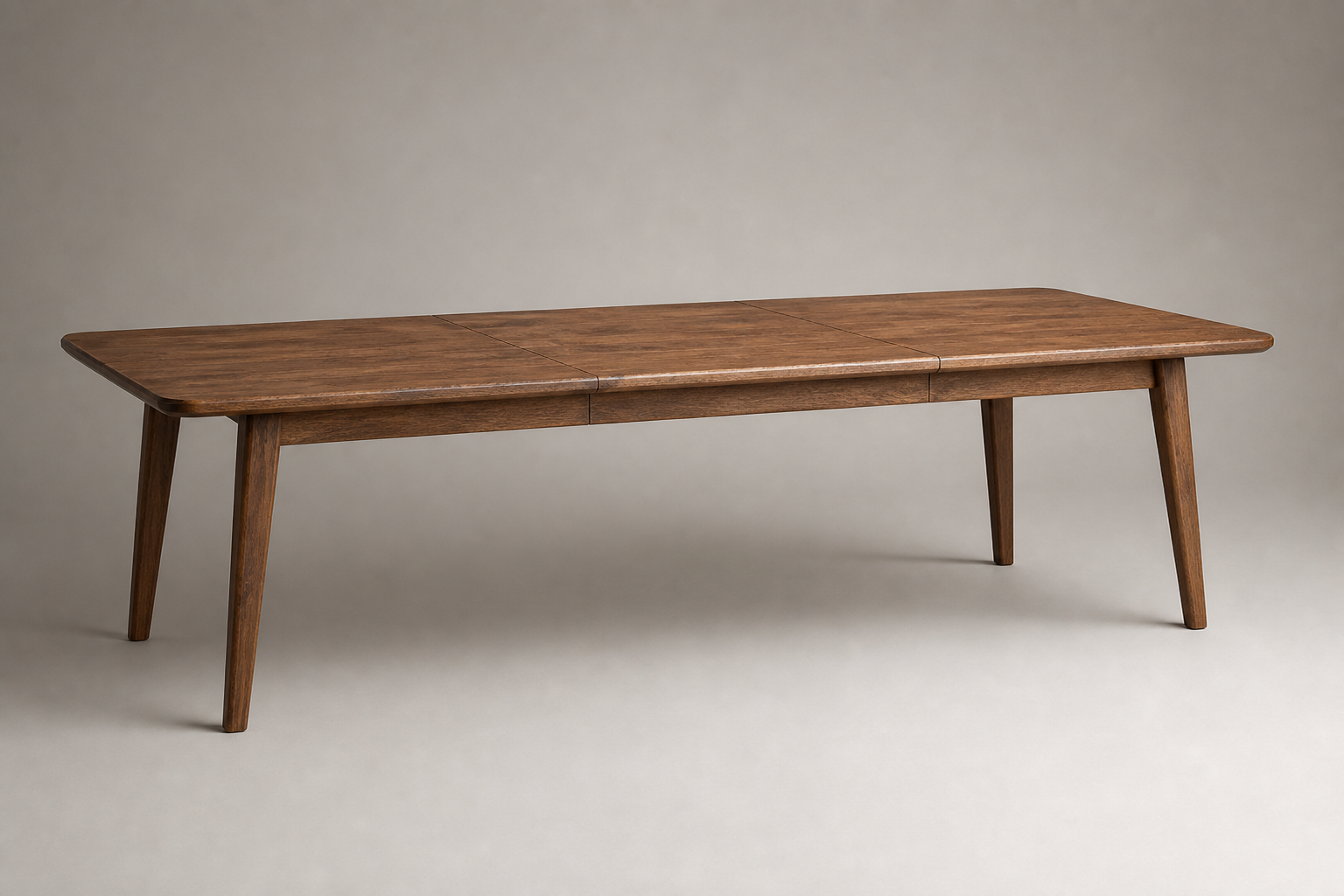
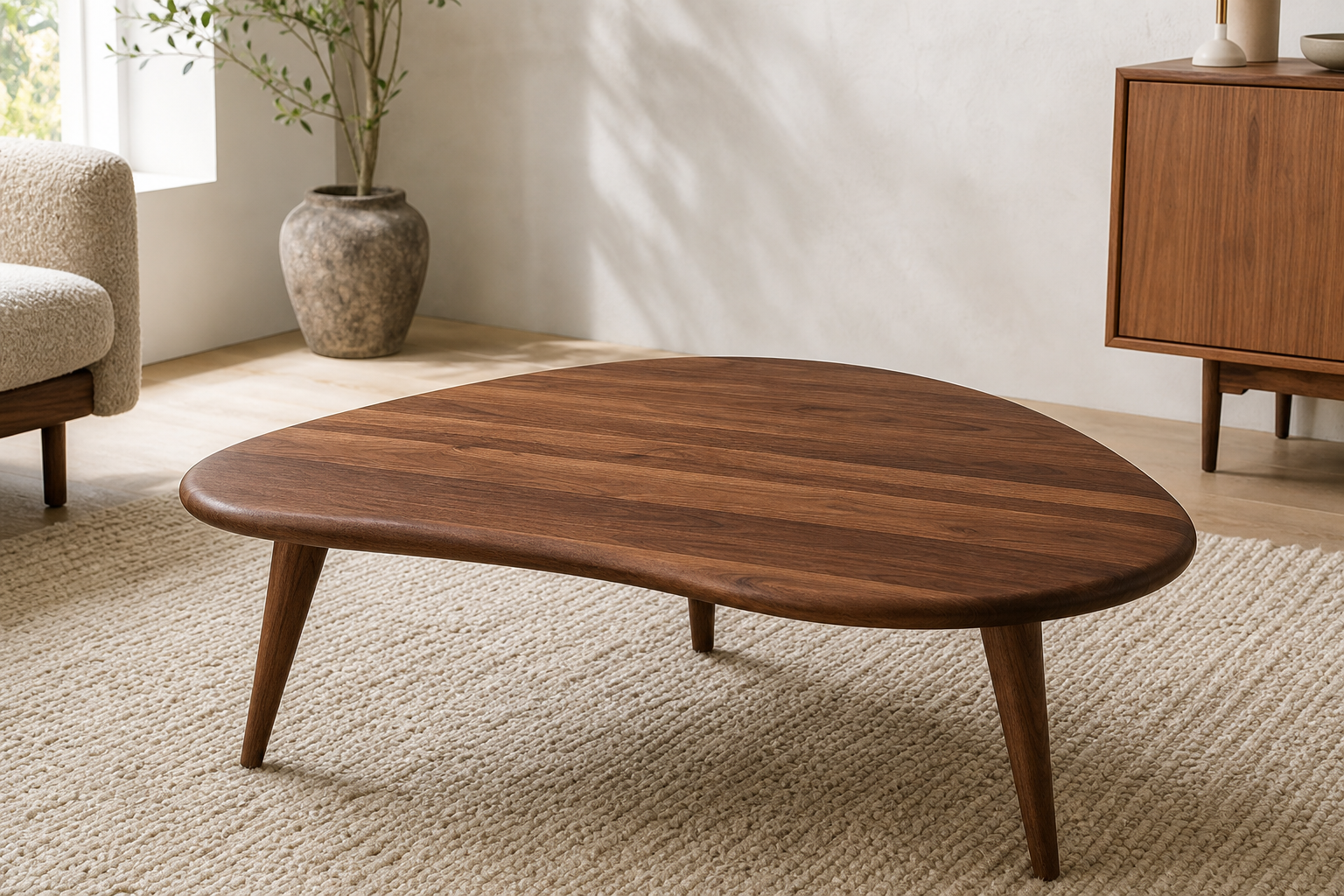
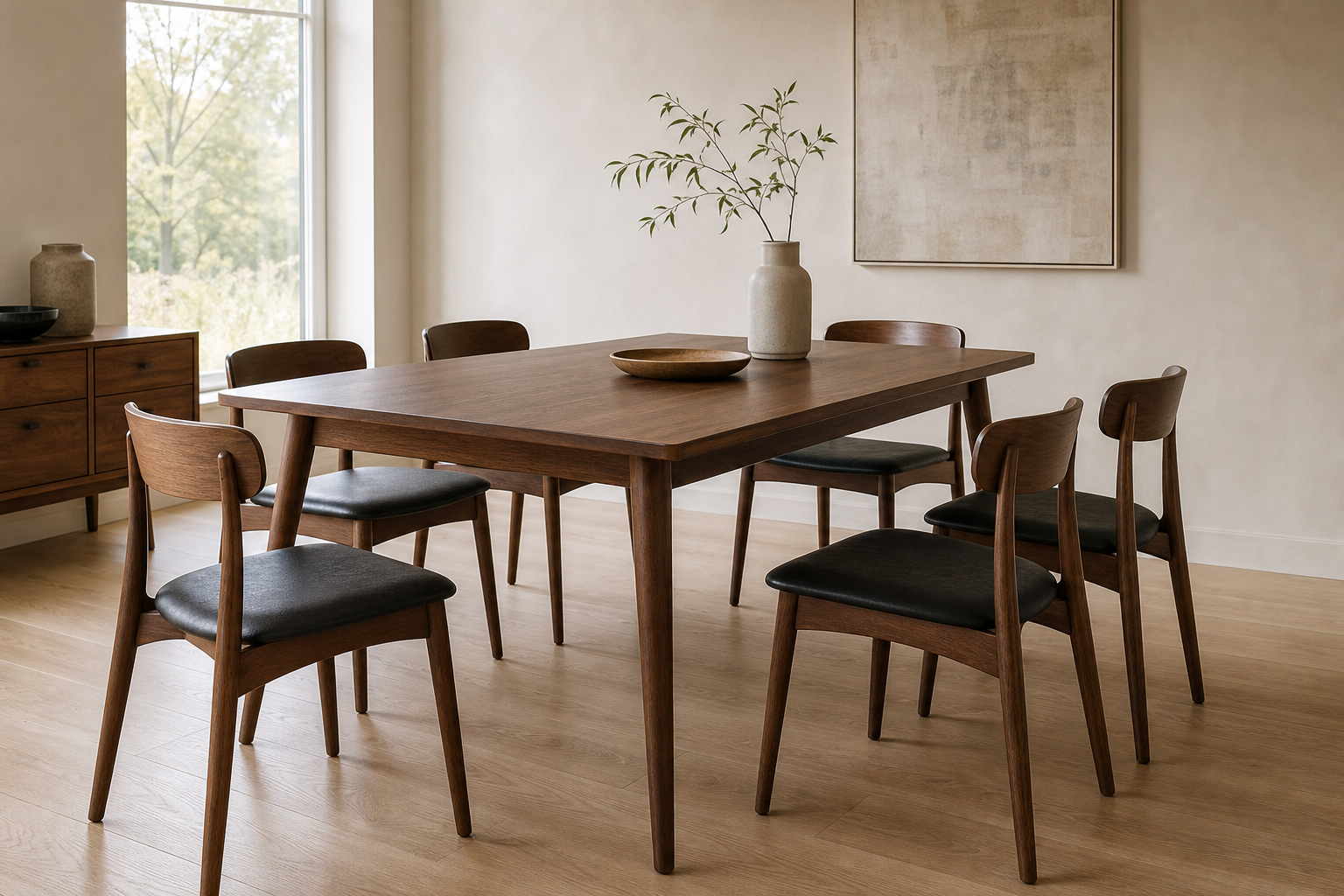
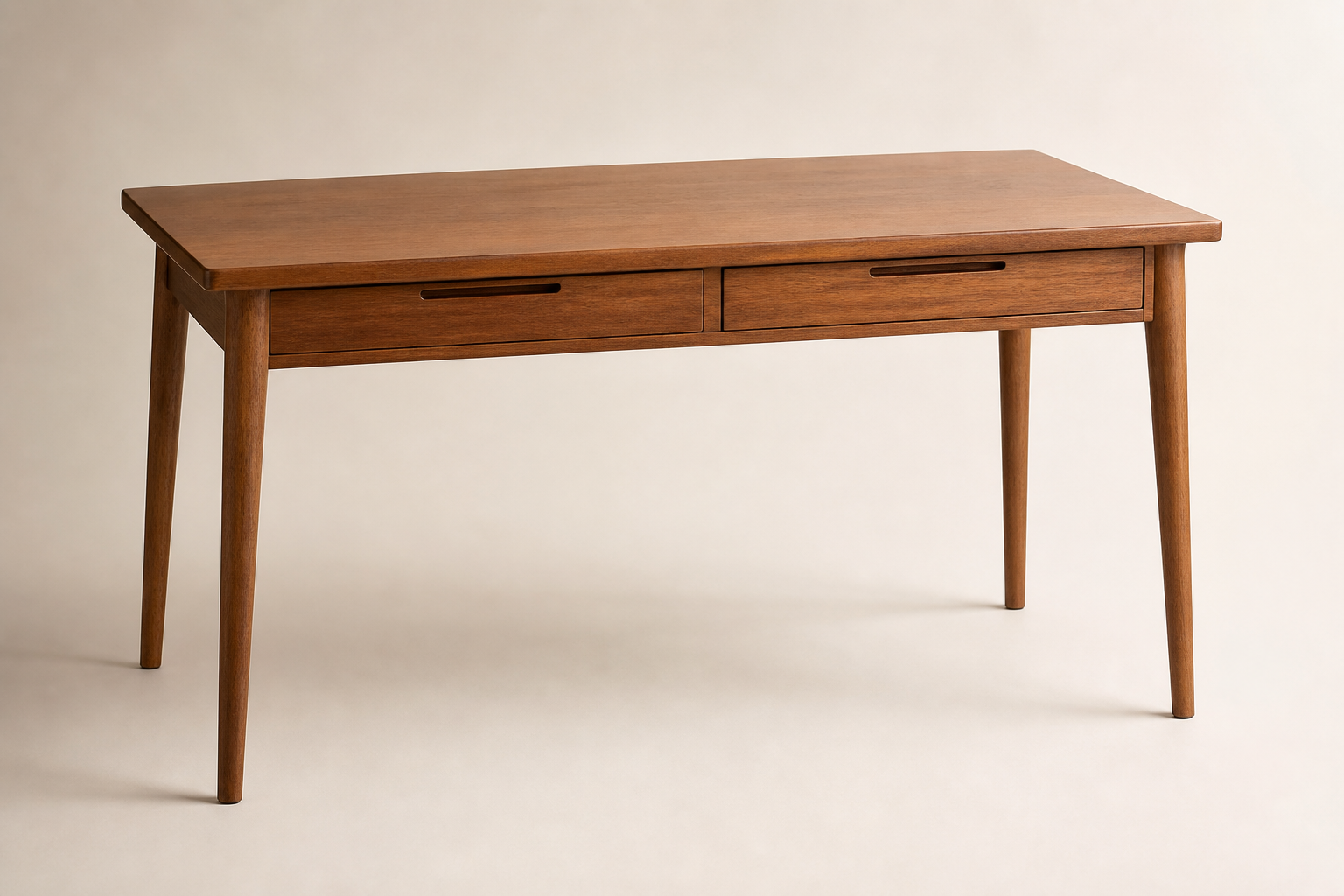
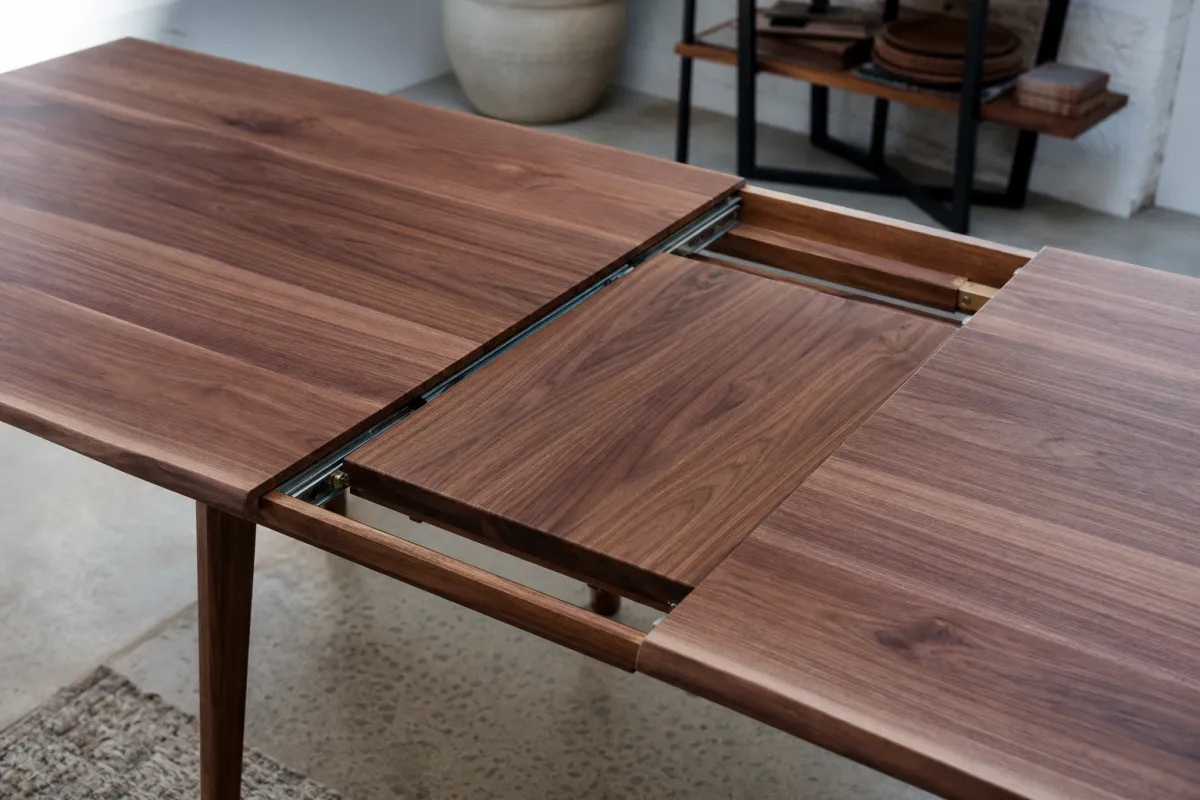
Walnut has a reputation problem: people either treat it like automatic luxury or dismiss it as an expensive fad. The real question—is a walnut <a href="/products/article-conan-75-oval-dining-table-walnut/" class="product-inline-link">dining table</a> worth buying—depends on how you live, how the table is built, what finish protects it, and what you would otherwise buy at the same budget. Walnut can be an excellent long-term table wood when you want rich brown tones and visible grain. It can also be a poor fit for rough daily chaos if you expect it to look showroom-perfect without maintenance.
This guide breaks down what walnut actually offers, durability and dent realities, solid vs veneer construction, finish types, cost drivers (without fake price guarantees), care habits, and when oak, ash, or a non-wood top is the smarter spend.
Quick take: when walnut is worth it
Walnut is often worth it if you:
- Want warmer, darker wood character than typical red oak
- Will use coasters, trivets, and reasonable care
- Are buying solid wood or high-quality veneer over stable substrate
- Plan to keep the table for many years rather than one apartment cycle
- Like the way walnut pairs with both brass and black hardware trends without looking temporary
Walnut is often not the best spend if you:
- Need a nearly indestructible family craft surface
- Prefer very light Scandinavian blond woods
- Are buying ultra-cheap “walnut color” laminate with weak edges
- Expect zero patina in a high-spill household
Worth is not only hardness; it is satisfaction per year of ownership.
What walnut brings aesthetically
American walnut (and related commercial walnut looks) typically reads as chocolate to coffee brown with darker streaks and a calmer elegance than high-contrast rustic woods. It photographs beautifully, which is why it dominates dining inspiration images. In real rooms, it anchors light walls and plays well with:
- Cream upholstery
- Black metal chairs
- Soft greige interiors
- Natural linen
If your space is already very dark, a large walnut slab can absorb light—plan lighting and runners carefully.
Durability: honest, not mythical
Wood hardness charts are often used as marketing weapons. Hardness matters, but construction, finish, and user habits matter more for dining tables.
Walnut is not the softest furniture wood, and it is not indestructible. Expect:
- Possible dents from dropped cast-iron or kids’ projects
- Surface scratches if you slide ceramics without care
- Color change over time with UV exposure (walnut can shift tone; some people love the patina)
If you want maximum ding resistance above all, you may prefer certain oaks or non-wood tops. If you want character and accept lived-in marks as part of the story, walnut is compelling.
Solid walnut vs walnut veneer vs “walnut finish”
Solid walnut
Pros: refinishable, repairable, feels substantial.
Cons: cost, seasonal movement if poorly engineered, heavy.
Quality walnut veneer on plywood/engineered core
Pros: stable, beautiful face, often better than mediocre solid boards for large flat tops.
Cons: limited deep refinishing; edge quality matters.
Print/laminate “walnut look”
Pros: budget, easy wipe.
Cons: edge chips reveal the fiction; low emotional longevity for some buyers.
A well-made veneer table can be a smarter buy than a poorly kiln-dried cheap solid top that warps. Ask how the top is made, not only what the species name is.
Finish types and real-life mess
Dining finishes need to handle sauce, wine, homework, and cleaning.
- Hardwax oils: beautiful tactile feel; require mindful maintenance and prompt spill response
- Conversion varnish / durable factory finishes: often more spill-forgiving for families
- Matte vs gloss: matte hides micro-scratches better; gloss shows everything
Ask sellers what the finish is designed for. “Natural oil look” is not automatically the best for spaghetti night.
Cost drivers (how to judge value without fake averages)
Prices swing with:
- Thickness and size of top
- Solid vs veneer
- Domestic craftsmanship vs mass import
- Extension mechanisms
- Base design (slab trestle vs simple legs)
- Chair package bundling
Value questions to ask:
1. Can the top be refinished or repaired?
2. Is the base stable on my floor type?
3. Are extensions supported so the table does not sag later?
4. What is the warranty on structure vs finish?
A lower price is not a deal if the extension hardware fails in two years.
Lifestyle fit checklist
| Household pattern | Walnut fit | Notes |
|---|---|---|
| Frequent formal dinners, careful use | Strong | Show grain, use pads |
| Daily kid crafts on bare wood | Risky | Use protective topper |
| Work-from-home dining table | Good | Add desk mat zones |
| Outdoor-adjacent sunny room | Medium | Mind UV tone shift |
| Renters moving often | Medium | Weight and size matter |
Care habits that protect your investment
- Trivets under hot dishes; coasters under glasses
- Wipe spills promptly, especially pigments like turmeric and red wine
- Use table pads for craft days rather than fearing the table forever
- Avoid silicone-heavy polishes that create buildup unless finish maker approves
- Re-oil only if your specific finish system calls for it
If you are unwilling to use trivets, choose a more bombproof finish or a different top material.
Alternatives to compare before you commit
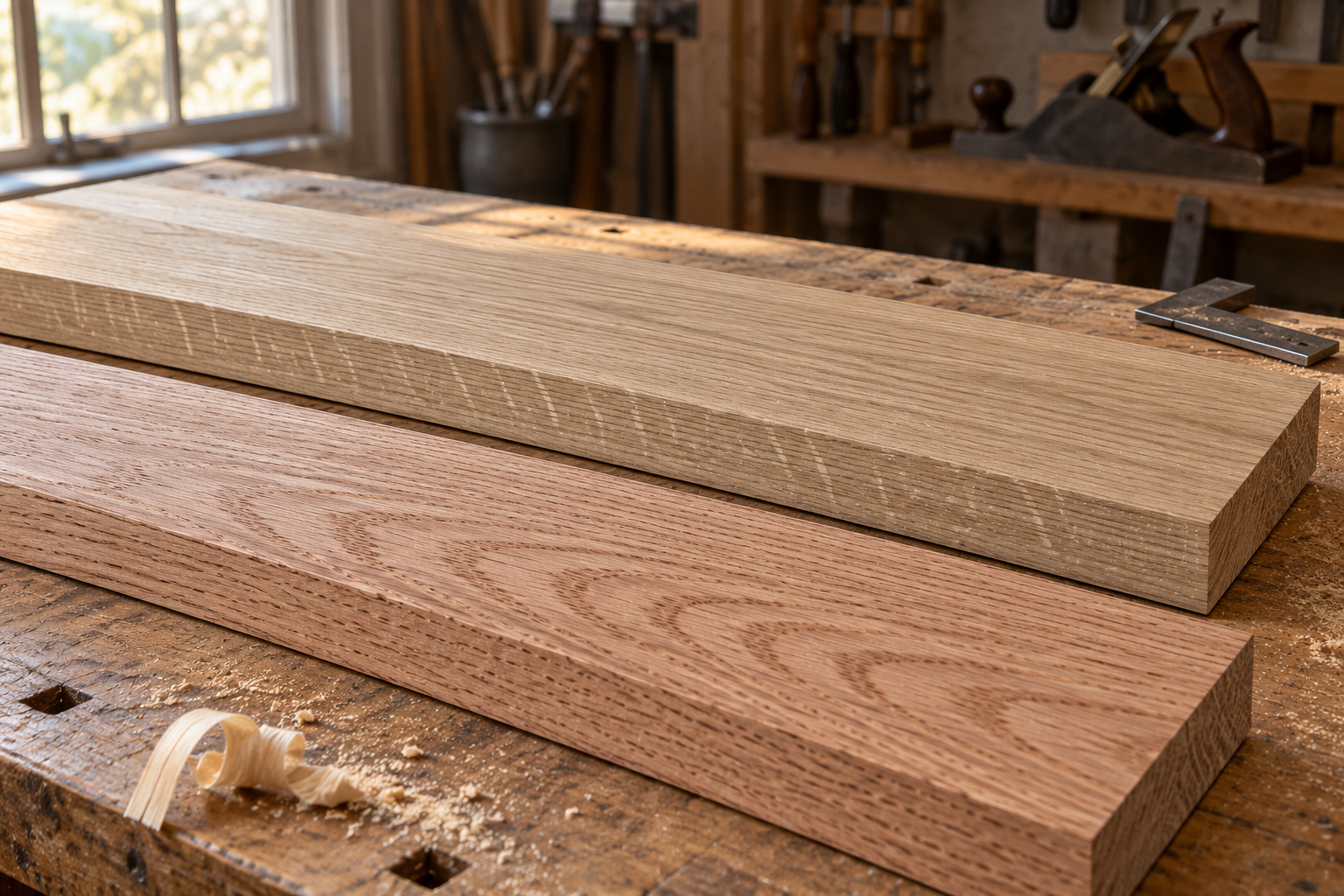
- White oak: often lighter, popular, strong grain; different vibe
- Ash: lively grain, can take stains
- Maple: tougher reputation for some heavy-use contexts; different look
- Stone/sintered tops: high heat/stain resistance; colder aesthetic, heavy
- Quality laminate: practical for pure utility rooms
Choose the material that matches your maintenance personality.
Mistakes when buying walnut dining tables
- Ordering from photos without checking undertones against your floor
- Ignoring chair arm clearance under apron rails
- Buying too large for room circulation (leave walk paths)
- Assuming all dark brown tables are equal species/quality
- Skipping delivery path measurements (stairs, turns, door width)
Safety and practical install notes
- Large tables are heavy—use proper lifting help to protect backs and doorways
- Secure extension leaves per manufacturer instructions
- Level the table; rocking tables stress joints
- If bolting bases, follow torque guidance; do not strip inserts
- Keep electrical cords for table lamps managed so they are not trip hazards around chairs
When to call a pro
- Custom sizing or live-edge sealing for untreated slabs
- On-site refinishing of a damaged solid top
- Structural repair of a split pedestal
- Moving very heavy tables in tight historic stairwells
FAQ
Is a walnut dining table worth buying for a family with kids?
It can be, if you accept patina and use protective habits—or if you choose a durable factory finish and table pads for projects. If you need a no-worry craft bench, consider another surface for art time.
Does walnut scratch easily?
Any dining wood can scratch. Habits and finish matter as much as species. Use placemats when it makes sense; do not saw directly on the top.
Solid or veneer—what should I pick?
Pick based on construction quality. Great veneer beats bad solid. If you specifically want deep refinishing over decades, lean solid with a reputable maker.
Will walnut darken or fade?
Tone can shift with light exposure over time. Some owners like the evolving look. Use curtains/films if you need stricter color stability.
How do I know it is real walnut?
Ask for species details, inspect grain continuity, and be cautious with prices that seem too low for claimed solid walnut of large size. When unsure, buy from sellers who document materials clearly.