Hunting note
Start with the decision, then inspect the details.
A practical guide for homeowners and renters researching furniture purchases online on Anthropologie home dupe finds, covering the best next steps, tradeoffs, and when to call a pro.
The best Anthropologie home dupe finds are not exact copies. They are well-made pieces that capture the same expressive mix—sculptural shapes, warm woods, hand-finished surfaces, botanical motifs, and playful color—at a price and quality level that suits your home. Shopping by design elements rather than product names also helps you avoid flimsy imitations and fleeting social-media recommendations.
Start with the feature that creates the look: a curved silhouette, carved drawer front, scalloped edge, colored glass, or richly textured textile. Then compare dimensions, materials, construction, safety, and return terms. A lower price is only a bargain when the piece fits, functions, and survives normal use.
Define the look before searching
“Anthropologie style” can mean several things: romantic florals, globally inspired pattern, vintage European curves, whimsical hardware, or modern organic furniture. Save two or three reference images and identify the repeated qualities. Perhaps the room depends on one carved wood cabinet, while everything else is quiet. Maybe the appeal comes from jewel-toned glass and softly pleated lampshades rather than the furniture itself.
Turn those observations into neutral search terms such as “arched burl wood cabinet,” “scalloped linen shade,” “hammered colored glass vase,” or “hand-tufted botanical rug.” Material and silhouette terms return more useful results than “dupe” alone. They also make it easier to compare pieces across retailers, resale marketplaces, and local shops without assuming that two similar photographs represent similar construction.
Use this quick comparison checklist
| Category | Check before buying | Why it matters |
|---|---|---|
| Dimensions | Overall size, interior storage, door swing, delivery path | Styled photos can disguise scale |
| Materials | Solid wood, veneer, MDF, metal type, textile fiber | Similar finishes can age differently |
| Construction | Joinery, drawer slides, shelf support, leg attachment | Determines stability and repairability |
| Finish | Sealed surface, color variation, care instructions | “Vintage look” may hide a delicate coating |
| Safety | Anchor kit, weight rating, cord certification | Decorative appeal does not replace safe use |
| Returns | Restocking fees, return freight, final-sale status | Large-item returns can erase the savings |
| Reviews | Customer images and repeated complaints | Reveals color, scale, and quality patterns |
Make a short list rather than buying the first visually similar result. Compare the delivered total—including freight, assembly, tax, and potential return cost. For furniture, a slightly higher-priced piece with reliable delivery and a usable warranty can be the less expensive choice over its lifetime.
Find furniture lookalikes by silhouette
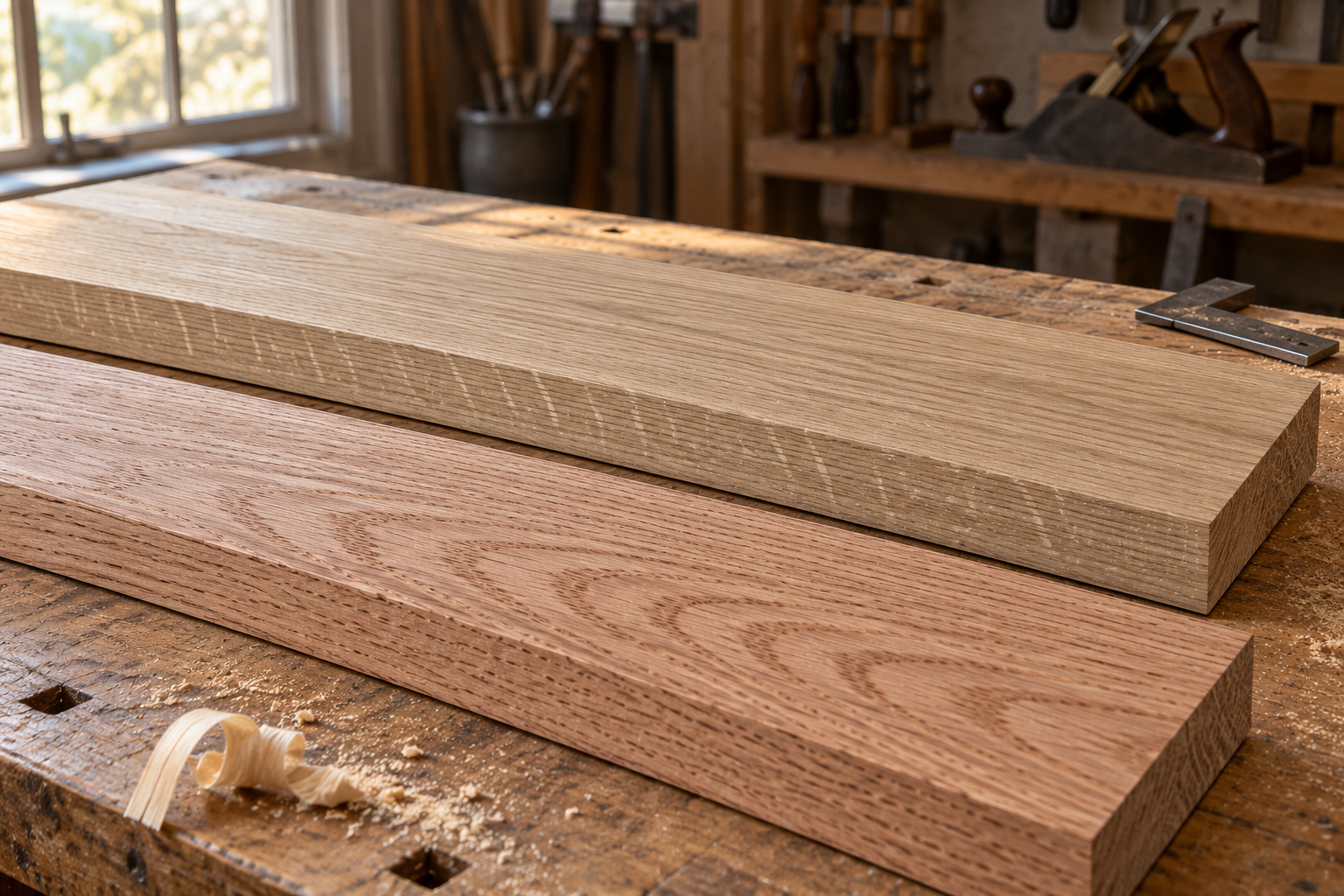
For dressers, consoles, nightstands, and cabinets, silhouette does much of the visual work. Look for bowed fronts, arched doors, turned legs, carved panels, or contrasting hardware. Then inspect what supports that silhouette. Solid wood can be repaired and refinished, while veneer can provide stable, attractive surfaces at lower cost. MDF is not automatically bad, but thin panels, weak fasteners, and unsupported spans are warning signs.
Check drawer construction, back-panel attachment, and whether shelves have published weight limits. Read measurements for usable drawer depth rather than relying on exterior proportions. Tall furniture should include anchoring hardware, but the supplied anchor may not suit your wall. Secure dressers, bookcases, and cabinets to framing or an appropriate wall anchor, especially in homes with children, seismic risk, or uneven floors.
Shop mirrors and wall decor carefully
Ornate mirrors are among the easiest ways to introduce the look, but they can also be heavy. Compare frame material, mirror thickness, mounting orientation, and listed weight. A molded resin frame may recreate carved detail at a lower price and weight; wood or metal may feel more substantial but demand stronger mounting. Inspect customer photos for distorted reflection, uneven antiquing, and finish that looks flatter than retailer images.
Use mounting hardware rated for both the item and wall type. Do not hang a heavy mirror from a picture hook intended for a small frame, and do not assume drywall anchors are interchangeable. Large or awkward mirrors are sensible candidates for professional installation. Position them where doors cannot strike them and where reflected sunlight will not create excessive glare or concentrate heat on vulnerable materials.
Compare lighting beyond the lampshade
A pleated shade, ceramic base, flower-like sconce, or colored-glass pendant can evoke the aesthetic immediately. Verify that hardwired fixtures are listed or certified for use in your region and suitable for the intended location. Bathroom and covered-outdoor installations may require damp- or wet-location ratings. Confirm maximum bulb wattage, canopy dimensions, cord length, and whether the shade is replaceable.
For table lamps, check stability and switch placement. A top-heavy ceramic lamp on a narrow table is a poor choice for a busy walkway. Use LED bulbs within the fixture rating to limit heat near fabric or paper shades. Hardwired work should be completed by a qualified electrician when local rules require it; a lower fixture price does not justify unsafe wiring.
Evaluate rugs, bedding, and upholstered pieces
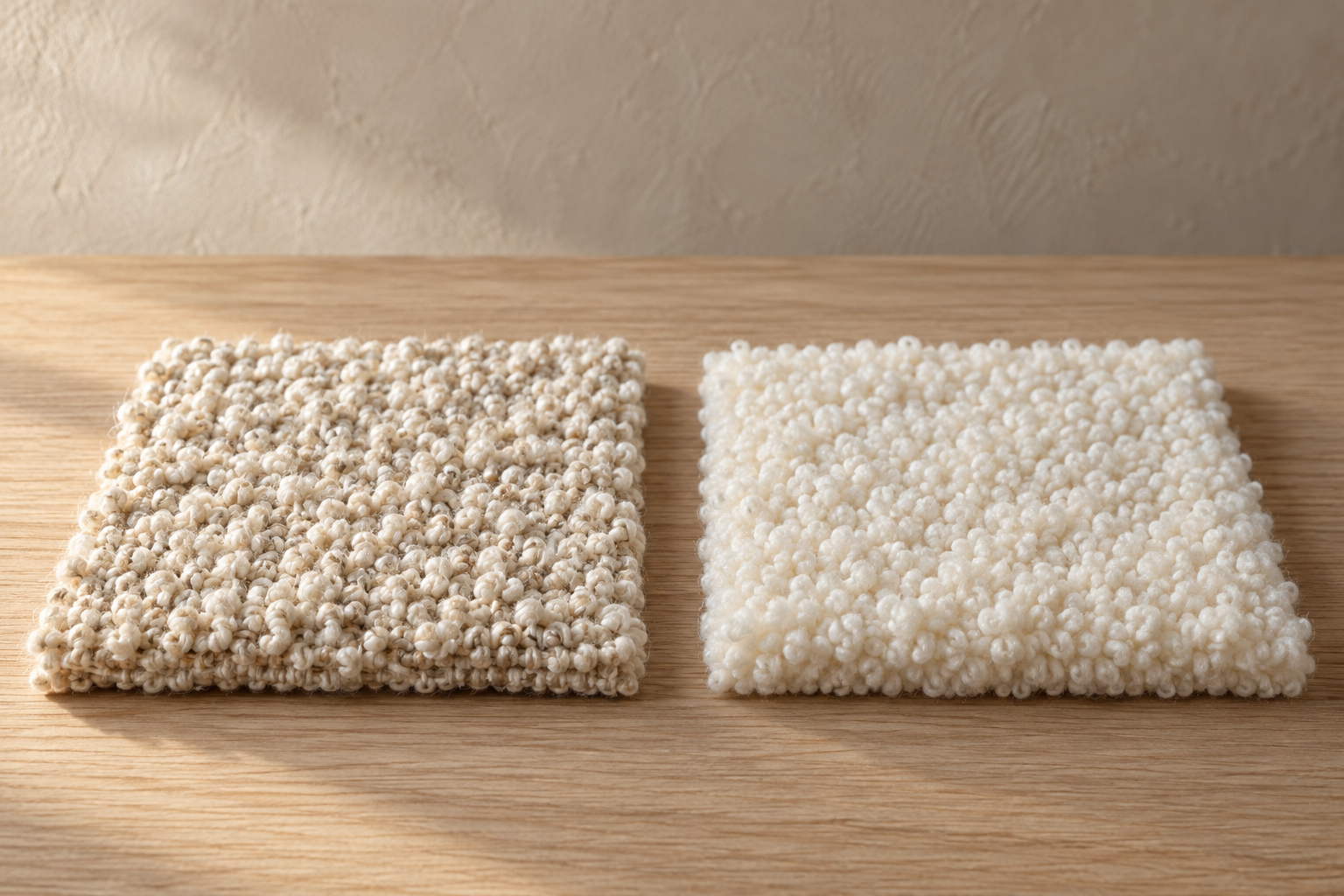
Pattern-forward textiles offer high impact without committing to large furniture. Compare fiber content, pile height, backing, cleaning method, and whether rug dimensions are nominal. Printed polyester can deliver saturated botanical pattern and easy cleaning, while tufted wool offers depth but may shed and cost more. Place rugs on a suitable pad to reduce slipping and edge curling.
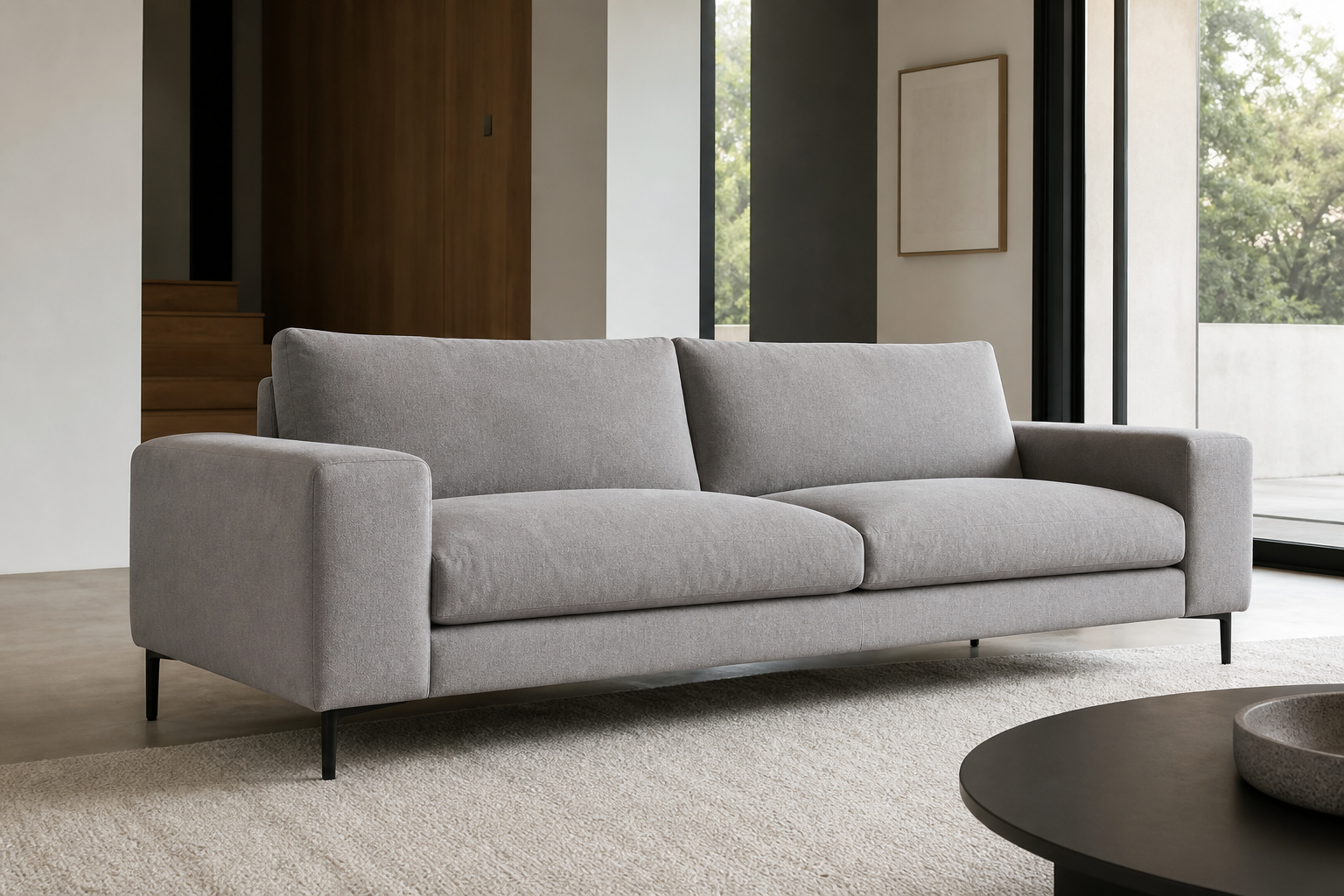
For bedding and curtains, review fabric weight, lining, shrinkage guidance, and return rules after washing. For upholstered seating, look for frame information, cushion composition, rub-test data when provided, and applicable flammability disclosures. New furniture can have an odor from packaging or finishes; ventilate the room and follow manufacturer guidance. Anyone sensitive to emissions should prioritize products with meaningful material disclosures rather than vague “eco” language.
Use hardware and accessories for a lower-risk interpretation
Cabinet knobs, trays, vases, frames, and candleholders can create the layered effect for less money and with fewer fit problems. Replacing hardware is especially effective when the underlying cabinet is sound. Measure hole spacing, screw length, projection, and clearance before ordering. Keep the original hardware in a labeled bag if you rent.
Avoid crowding every surface with statement objects. One sculptural lamp, one patterned vessel, and a small group of books often reads more intentional than a shelf full of approximations. Heavy decor should sit away from shelf edges, and open shelving must stay within its weight capacity. Candleholders should be used on stable, noncombustible surfaces with the clearances specified for the candle; flameless alternatives reduce risk in tight displays.
Search resale, vintage, and local sources
Resale platforms, estate sales, and architectural-salvage shops often provide the irregularity that mass-market dupes try to simulate. Search broad terms, use dimensions as filters, and inspect pieces in good light. For wood furniture, look for wobble, active insect evidence, water swelling, persistent odors, and drawers that bind. Ask whether repairs have been made rather than assuming age equals quality.
Budget for transport and cleaning. A bargain cabinet can become expensive if it cannot fit through the stairwell or requires structural repair. Avoid sanding an unknown old finish, which may contain lead or other hazardous material. Test when appropriate and consult a restoration professional for valuable, heavily damaged, or uncertain pieces.
Read product pages like a skeptical buyer
Retail photos can vary in color with lighting and screens. Prioritize customer images taken in ordinary rooms, but remember those also vary. Repeated comments about green undertones, orange stain, unstable legs, missing hardware, or difficult returns deserve more weight than one dramatic review. Check whether reviews combine several sizes or product versions.
Look for exact material language. “Wood” may describe only a small component, while “wood-look” says little about the substrate. “Hand-finished” permits natural variation and does not guarantee hand-built construction. Save screenshots of specifications and delivery promises before ordering, and inspect packages promptly within the damage-reporting window.
Decide where to save and where to spend
Save on small decor, occasional-use tables, easily replaceable textiles, and trend-specific colors. Spend more where structure, comfort, or daily handling matters: a primary dresser, frequently used chair, large rug, or hardwired fixture. The goal is not to make every item cheap; it is to direct the budget toward performance while using affordable pieces for visual character.
Consider cost per use and repairability. A console with replaceable hardware and a durable sealed top may outlast a cheaper piece whose finish lifts with minor moisture. Conversely, an expensive decorative tray may not improve the room more than a thoughtfully chosen budget alternative. Buy the feature you actually notice.
Avoid common dupe-shopping mistakes
Do not choose solely from a cropped image. Measure the room, mark the footprint with painter’s tape, check door swing, and map the delivery route. Do not assume matching appearance means matching safety or capacity. Anchor tall storage, respect shelf ratings, secure cords, and protect sharp corners where needed.
Avoid counterfeit listings that misuse brand photographs or imply affiliation. A legitimate style alternative should have its own identity and accurate images. Be cautious with final-sale furniture, copied reviews, vague seller addresses, and prices too low to support the claimed materials. Paying by a method with buyer protection and retaining records makes disputes easier.
When professional help is worth it
Hire an electrician for hardwired lighting when required, and use an experienced installer for very heavy mirrors, wall-mounted cabinets, or difficult masonry walls. Furniture repair specialists can evaluate loose joints, damaged veneer, and uncertain vintage finishes. A receiving or white-glove service can inspect large deliveries before the return window closes.
Professional help also makes sense when a piece must be modified to fit. Cutting structural components, altering electrical fixtures, or removing safety hardware can void warranties and create hazards. A designer is optional, but a measured floor plan and disciplined palette can prevent more costly mistakes than any individual bargain saves.
Frequently asked questions
Are Anthropologie-style dupes legal?
Style inspiration is common, but counterfeit goods and unauthorized logos are different. Choose products sold under their own names with original photographs and honest descriptions rather than listings claiming to be branded originals.
What category is easiest to buy online?
Small decor, standard-size textiles, and lamps with clear specifications are generally easier than sofas or large cabinets. Even then, check dimensions, materials, electrical certification, and returns.
How do I make a budget find look more elevated?
Give it space, coordinate color rather than matching everything, and improve context with good lighting and correct scale. Safe replacement hardware can help when dimensions match.
Is solid wood always better than veneer?
No. Quality veneer over a stable core can be attractive and durable. Construction, edge treatment, finish, and intended use matter more than a single material label.
How can I avoid return surprises?
Read freight and restocking terms, retain packaging until inspection is complete, photograph damage immediately, and confirm whether return shipping for large goods is deducted from the refund.