Hunting note
Start with the decision, then inspect the details.
A practical guide for homeowners and renters researching furniture purchases online on how to maintain leather furniture, covering the best next steps, tradeoffs, and when to call a pro.
Maintaining leather furniture is mostly about restraint: remove dust regularly, clean spills quickly, use very little moisture, and apply only products appropriate for the exact leather finish. More cleaner is not better. Harsh soap, household polish, alcohol, steam, and over-conditioning can discolor the surface or weaken its protective coating.
Before treating a sofa or chair, identify whether it is protected/pigmented leather, aniline leather, semi-aniline leather, nubuck, suede, or a synthetic material sold with a leather-like name. Check the manufacturer’s care label and warranty first. When that information is missing, use the gentlest method, test it in a hidden area, and consult a leather specialist before tackling a valuable or visibly damaged piece.
Identify the Leather Before Cleaning It
Protected or pigmented leather is common on family-room furniture because a surface coating improves stain and wear resistance. It generally tolerates careful wiping with a barely damp cloth and a compatible leather cleaner. Semi-aniline leather has lighter protection and shows more natural character, while full aniline leather absorbs moisture readily and can darken from water or oil. Nubuck and suede have a raised nap and require specialized brushes and cleaners.
Bonded leather, polyurethane “vegan leather,” and vinyl are not maintained like hide even when the furniture has a leather appearance. Bonded material contains leather fibers held in a manufactured layer and may peel as the binder ages; conditioner cannot reverse that failure. Look under cushions for tags, order records, or a sample swatch. If uncertain, send clear photographs and product details to the maker rather than relying on an online spot test that might itself leave a mark.
Build a Simple Weekly and Monthly Routine
Once a week, remove loose cushions if the design allows and vacuum crumbs with a soft brush attachment on low suction. Keep hard plastic nozzles, beater bars, and sharp crevice tools from scraping the surface. Dust seams, welting, tufting, and the area between seat and arm, where grit acts like abrasive every time someone sits down.
Every few weeks, wipe protected leather with a clean, dry or barely damp white microfiber cloth. Work one panel at a time and support the leather rather than stretching it. Dry the surface promptly with another cloth. This modest routine prevents body oils and dust from building into a film, especially on headrests and arm fronts, and it reduces the need for aggressive deep cleaning later.
Use a Safe Method for Routine Cleaning
Read the furniture maker’s instructions and select a pH-appropriate cleaner explicitly approved for the leather type. Apply it to a cloth, not directly to the furniture, unless the label says otherwise. Test a coin-sized hidden area, let it dry fully, and inspect it in daylight for color transfer, darkening, gloss change, or stiffness. A wet test that looks fine can reveal a ring after drying.
Clean from seam to seam so any subtle change is uniform across a panel. Use light circular or overlapping strokes without saturating perforations and stitching. Frequently turn the cloth to a clean face. Remove residue as directed by the product and allow the piece to air-dry away from heat. Never speed drying with a hair dryer, radiator, or direct fan heater; rapid moisture loss can leave leather stiff.
Respond to Spills and Stains Quickly
Blot a fresh liquid spill with an absorbent white cloth. Do not rub, because rubbing spreads the liquid and works it into grain and stitching. Begin at the outer edge and move inward. For protected leather, a manufacturer-approved cleaner may remove the remaining residue. On aniline leather, even plain water can create a dark area, so a specialist may be the safest choice for wine, ink, oil, or a large spill.
Lift thick material with the edge of a spoon or dull card rather than scraping. Avoid improvised remedies such as hairspray for ink, baking soda paste, disinfecting wipes, nail-polish remover, saddle soap, olive oil, or mayonnaise. They can strip color, leave oil spots, or attack the topcoat. If dye transfers from jeans onto a pale sofa, address it early with a product approved for color transfer; prolonged contact can make the stain harder to remove.
Quick-Reference Care Schedule
| Frequency or event | Recommended action | What to avoid |
|---|---|---|
| Weekly | Vacuum gently and dust seams | Beater bars and sharp nozzles |
| Every few weeks | Wipe protected leather with a barely damp cloth if permitted | Saturating panels or stitching |
| After a spill | Blot immediately and identify the substance | Scrubbing or applying heat |
| Periodically | Inspect high-contact areas, frame, feet, and seams | Waiting for a small split to enlarge |
| As the maker directs | Use compatible conditioner sparingly | Cooking oils and universal furniture polish |
| Seasonally | Review sun, vent, and humidity exposure | Direct heat and prolonged strong sunlight |
A calendar interval is only a starting point. A lightly used reading chair may need less cleaning than a family sectional. Pale leather, warm rooms, denim contact, and frequent use increase the need for inspection, but they do not justify stronger chemicals. Condition and clean based on the finish, the maker’s guidance, and visible dryness or soil rather than applying products automatically.
Condition Leather Sparingly and Correctly
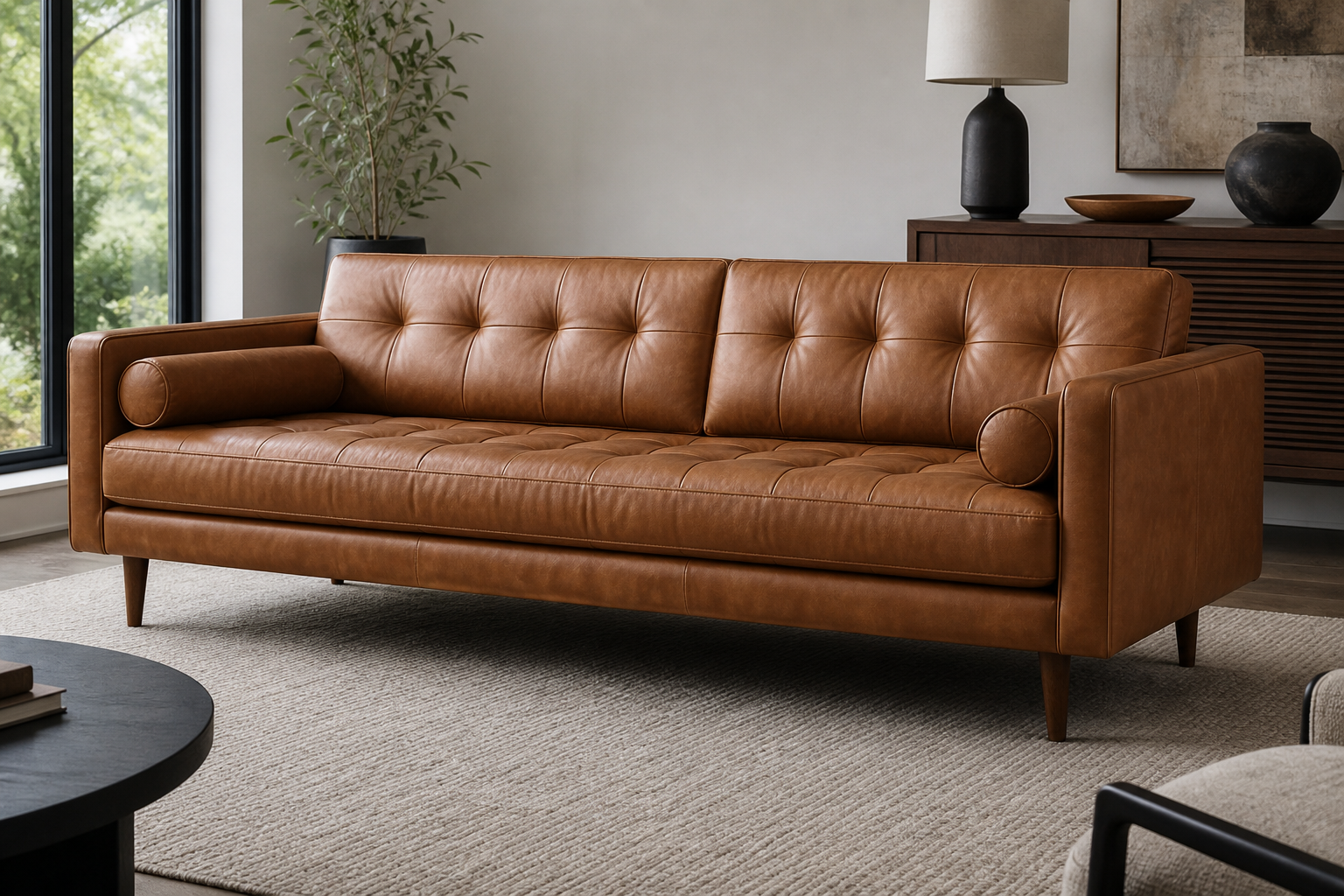
Conditioner can replenish lubricating components and help some leather remain supple, but not every finish needs frequent conditioning. Surface-coated leather may accept little product, and excess can leave it sticky, shiny, or prone to attracting dirt. Nubuck and suede require products designed for their nap. Follow the furniture and product instructions rather than the broad claim that every <a href="/products/article-sven-88-tufted-leather-sofa-charme-tan/" class="product-inline-link">leather sofa</a> needs treatment every few months.
Test the conditioner just as carefully as a cleaner. Apply a small amount evenly to a cloth, spread a thin layer over a full panel, and allow the specified dwell and drying time. Buff only if directed. Never pour conditioner onto one spot. If the leather darkens unevenly, feels tacky, or transfers color, stop. Deep cracks, flaking finish, and exposed backing are repair problems, not signs that the piece simply needs more oil.
Control Sunlight, Heat, and Indoor Conditions
Ultraviolet light and heat can fade color and accelerate dryness. Place leather furniture away from radiators, fireplaces, and forced-air vents, and use blinds or UV-filtering window treatments where strong sun falls on the same panel for hours. Rotating removable cushions can distribute light exposure and wear, provided each cushion is designed to be flipped or moved.
Aim for a comfortable, stable indoor environment rather than chasing an exact humidity number. Very dry air can contribute to stiffness, while persistently damp conditions encourage odor and mildew in frames and filling. Do not press a sofa tightly against an exterior wall where air cannot circulate. If the room has a moisture problem, correct the building condition rather than masking odor with fragrance spray.
Prevent Scratches, Stretching, and Uneven Wear
Leather develops creases and patina through normal use, but grit, sharp hardware, and concentrated loads cause avoidable damage. Keep keys, buckles, hook-and-loop fasteners, and rough-edged objects off the seats. Lift furniture rather than dragging it, and do not sit on arms or perch repeatedly on the same cushion edge. Fluff and rotate loose back cushions to distribute compression.
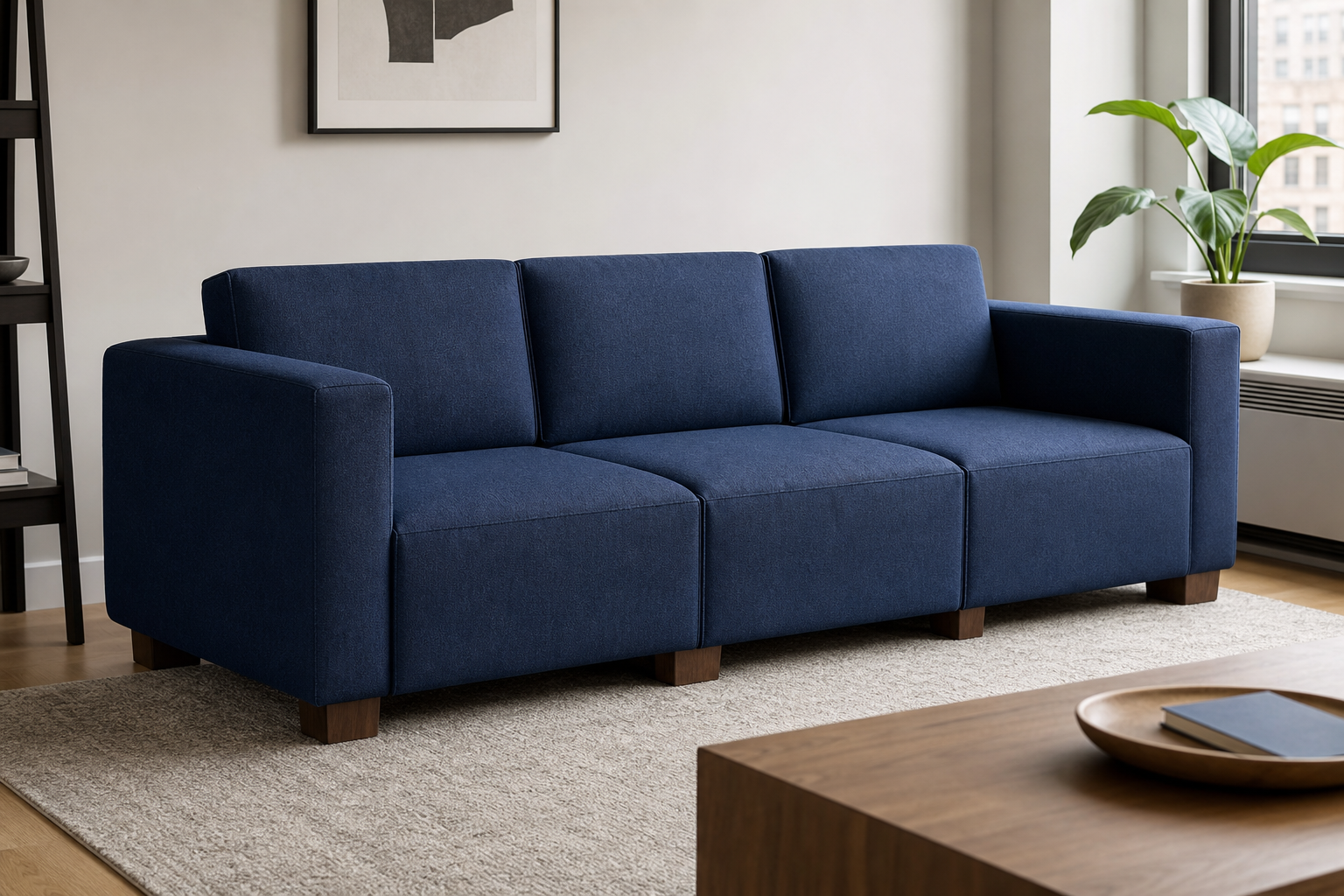
Choose dimensions and firmness that fit actual use when buying a sofa. A household comparing the best sectional sofa for a family should consider replaceable cushions, access for cleaning, frame support, and whether each module can be moved without stressing connectors. Throws can protect high-contact areas, but rubberized backings and dark unstable dyes may transfer or trap moisture. Test textiles and launder them before long-term use.
Inspect the Structure as Well as the Upholstery
Leather care is not only surface care. Every few months, check feet, leg fasteners, modular connectors, reclining mechanisms, and visible frame joints. A loose leg changes how the frame carries weight and can cause racking or a sudden fall. Respect the manufacturer’s weight and occupancy guidance, and keep fingers and cables clear of moving recliner hardware.
Furniture should not block a required exit, heater clearance, or ventilation grille. Keep candles, smoking materials, and high-heat appliances away from upholstery; a care product does not make leather fireproof. If a tall shelving or storage component is part of the arrangement, anchor it as instructed, especially around children. Covering sharp corners may also be appropriate in compact circulation routes.
Know Which Damage Can Be Repaired
Small surface scratches on some aniline leathers may blend with gentle buffing using a clean finger or cloth, but that technique is not universal. Do not sand, recolor, or heat a scratch without finish-specific instructions. Cuts, torn seams, peeling color, pet damage, and ink stains often require professional cleaning or repair to achieve a durable color match.
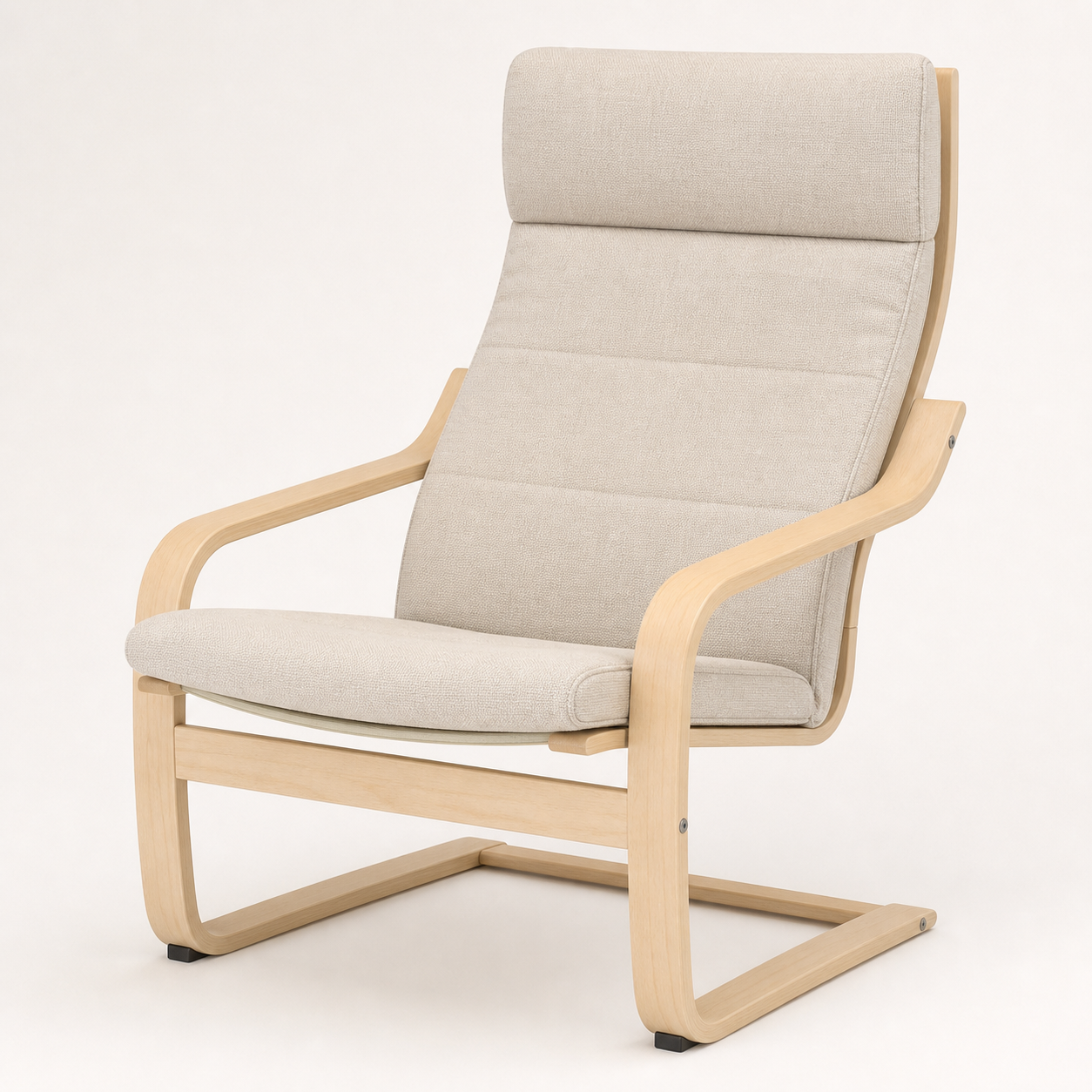
A specialist can assess whether the finish can be cleaned, recolored, filled, or replaced panel by panel. Request an explanation of the process and realistic limits: repaired areas may age differently, and bonded leather peeling across multiple panels may not be economical to restore. For a favorite seat—perhaps one selected as the most comfortable reading chair—early seam repair can prevent a small opening from becoming a torn panel.
Common Leather-Care Mistakes to Avoid
The biggest errors are using generic household products, skipping the hidden-area test, and soaking the upholstery. Wood polish may contain silicone or solvents; baby wipes and disinfectants can alter coatings; steam drives heat and moisture into leather and cushion materials. Saddle soap was formulated for particular utility leather applications and is not automatically suitable for a modern finished sofa.
Another mistake is treating natural variation as dirt. Grain, scars, shade variation, and wrinkles can be expected in genuine leather, especially less corrected grades. Conversely, assuming every crack is natural patina can delay repair. Patina is gradual visual character; splitting, peeling, sticky finish, powdering, and exposed substrate signal deterioration that cleaning alone will not solve.
Safety Checks for Leather Seating and Nearby Furniture
Inspect the care label before buying or treating upholstery, especially when fire-retardancy information matters for a rental, hospitality setting, or household risk assessment. Leather itself does not make the foam, batting, frame, or applied finish fireproof. Keep the furniture away from open flame, smoking materials, heaters, and any appliance clearance zone. A strong chemical odor from new furniture may indicate VOC off-gassing from adhesives, foam, coatings, or the frame; ventilate the room according to the maker’s guidance and stop using the piece if odors cause irritation.
Check the stated weight capacity for sofas, chairs, recliners, shelves, and tables rather than assuming the frame will support any load. Tighten legs and connectors as directed, and stop using a seat that rocks, cracks, or exposes moving hardware. Anchor adjacent dressers, bookcases, and tall storage to suitable wall structure to reduce tip-over risk. In homes with children, secure cords, lock or guard reclining mechanisms where appropriate, and child-proof sharp corners and unstable accessories. A furniture or upholstery professional should assess structural damage, unknown chemical contamination, persistent odor, or fire damage before the item returns to service.
Frequently Asked Questions
Can I clean a <a href="/products/poly-and-bark-napa-88-leather-sofa-cognac-tan/" class="product-inline-link">leather sofa</a> with soap and water?
Only if the manufacturer approves a specific mild solution for that finish. Water can stain absorbent aniline leather, and ordinary soaps may leave alkaline residue. A compatible leather cleaner is a safer default after a hidden-area test.
How often should leather furniture be conditioned?
There is no universal schedule. Follow the maker’s instructions and consider finish, climate, and use. Over-conditioning can be as harmful as neglect, particularly on heavily protected leather.
What should I do if leather gets wet?
Blot without rubbing, reshape removable cushions gently, and let the piece dry naturally away from direct heat. Large soaking events may require professional extraction and inspection of the cushion filling and frame.
Can scratches be removed from leather?
Some light marks can be blended on certain finishes, while cuts and color loss need repair. Do not experiment with oil, heat, markers, or abrasive pads. Confirm the leather type before attempting treatment.
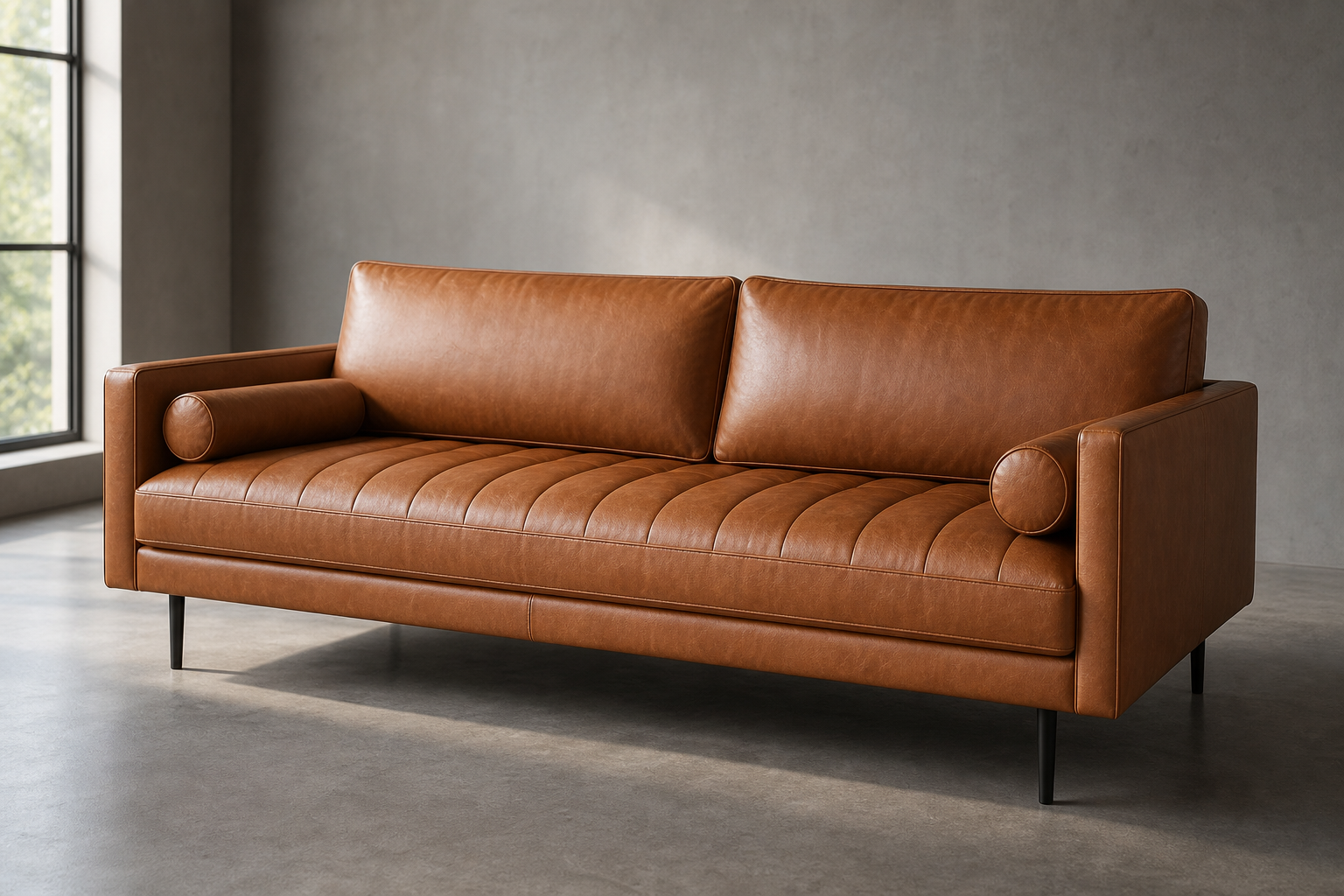
Why is my <a href="/products/article-timber-90-leather-sofa-charme-tan-honey-oak/" class="product-inline-link">leather sofa</a> peeling?
Peeling may be failure of a pigmented topcoat, a repair coating, faux leather, or bonded leather’s manufactured surface. Conditioner will not glue the layer back together. A repair specialist can identify whether refinishing is practical.
Good leather maintenance protects both appearance and useful life: identify the material, remove abrasive dust, blot spills, clean panel by panel, condition only when appropriate, and manage heat and sunlight. Gentle consistency outperforms dramatic rescue treatments—and when the finish is unknown or damage is advanced, expert advice protects a valuable piece from irreversible experimentation.