Hunting note
Start with the decision, then inspect the details.
A practical guide for homeowners and renters researching furniture purchases online on best nightstand with storage, covering the best next steps, tradeoffs, and when to call a pro.
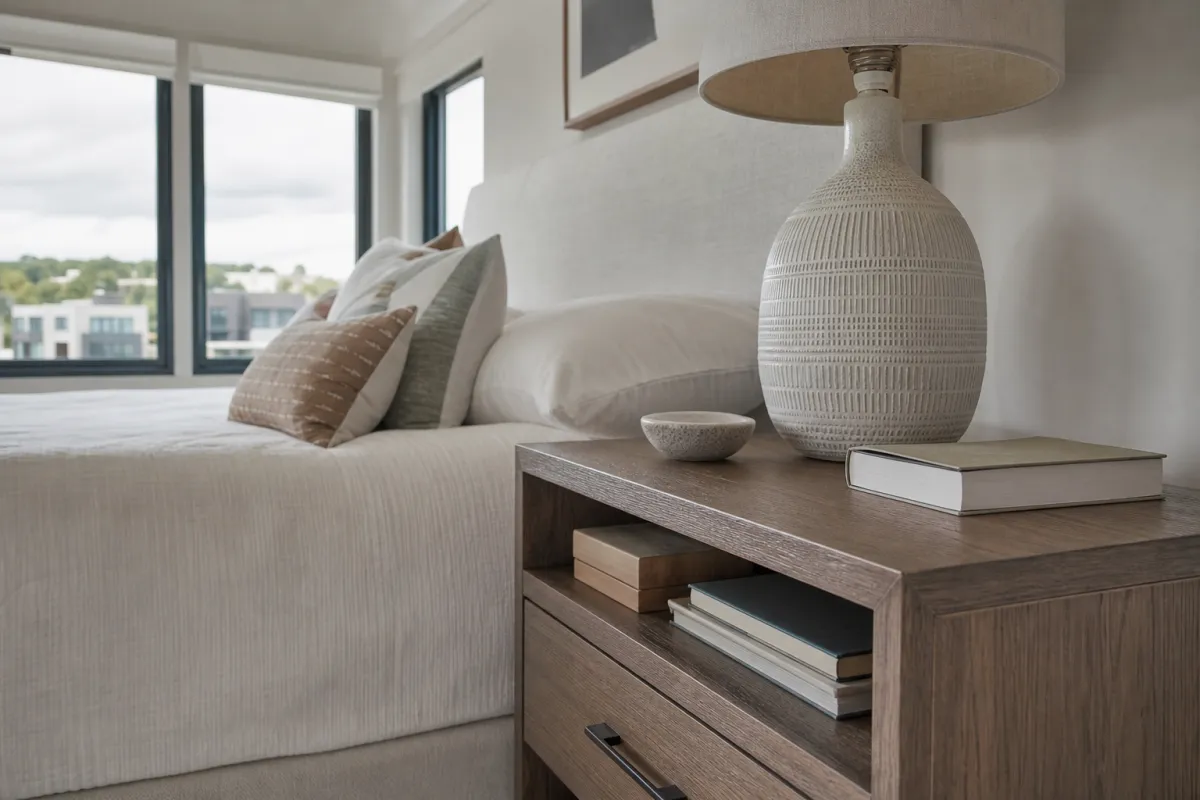
A nightstand is not just a place to park a lamp. In most bedrooms it is the landing zone for phones, glasses, books, medications, chargers, and the random objects that accumulate at 11 p.m. The best nightstand with storage for your room is the one that matches bedside habits, mattress height, and the width you can actually spare—not the one that merely looks good empty in a showroom photo.
This buying-and-planning guide covers storage types (drawers vs shelves vs hybrids), sizing to mattress height, materials and durability, cable management, small-room strategies, and safety notes for tippy furniture and charging clutter. No fake lab tests or invented “#1 pick” awards—just decision criteria you can apply in any store or product listing.
Quick answer: what “best” should mean for a nightstand
For most people, a strong nightstand with storage means:
- At least one enclosed compartment (drawer or door) for visual calm
- A stable top surface large enough for a lamp + one daily object
- Height aligned near the top of your mattress
- Depth that does not punch into walk paths
- Construction that does not wobble when you open a drawer one-handed
If you only need a surface for a lamp and a book, an open pedestal can work. If you need to hide mess, prioritize drawers.
Match storage type to your bedtime habits
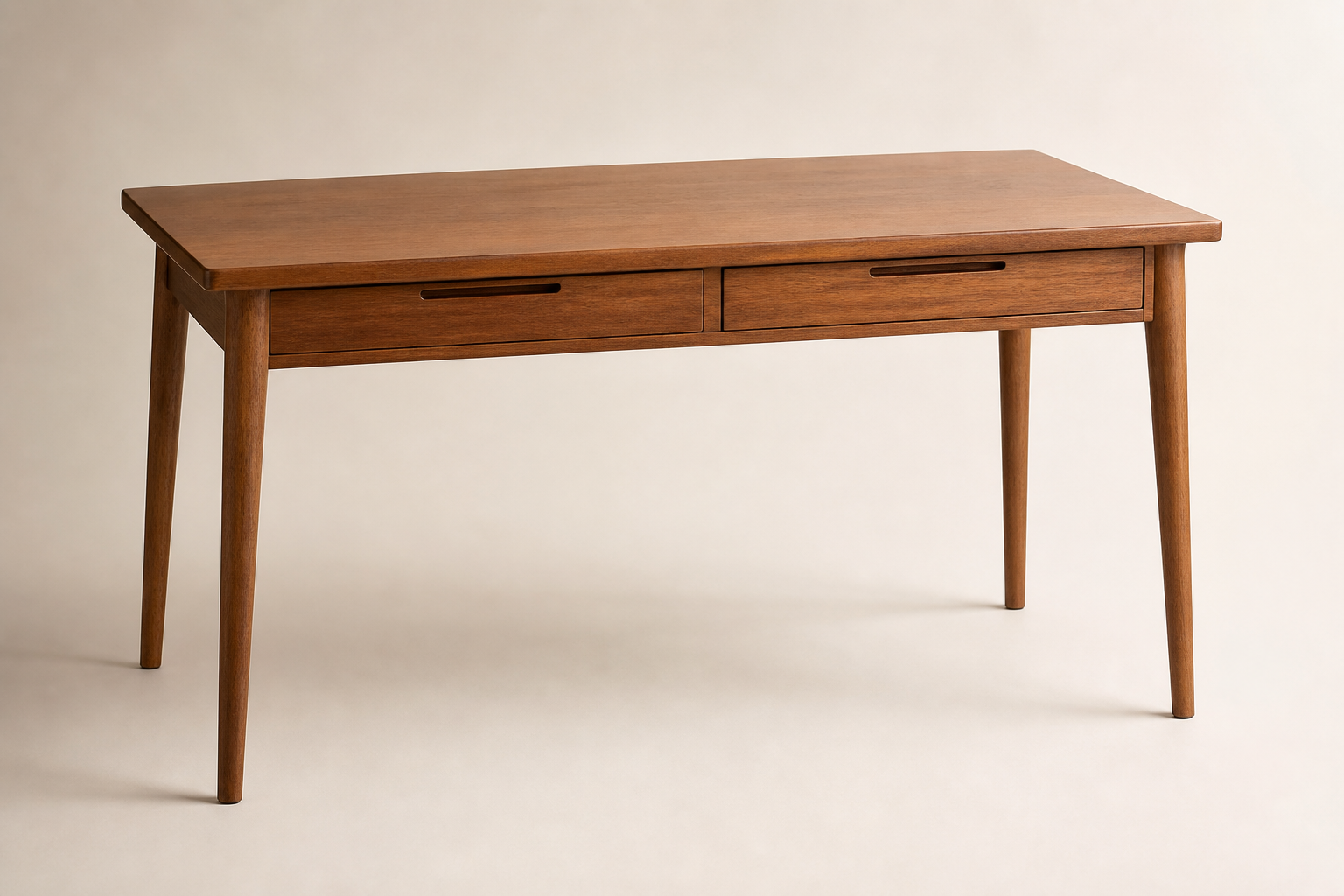
Drawer nightstands
Best for: people who want a clean top and hidden clutter.
- Soft-close drawers feel premium and reduce sleep-disrupting slams
- Full-extension glides help you reach the back
- Watch drawer height if you store tall bottles
Tradeoff: drawers cost more and need clearance to open beside a bed or wall.
Open shelf nightstands
Best for: display books, baskets, and quick grab items.
- Easy to vacuum under and around
- Baskets convert open shelves into semi-hidden storage
- Visual clutter is the risk—use matching baskets
Hybrid (drawer + shelf)
Often the most practical everyday compromise: hide the ugly stuff, display the intentional stuff.
<a href="/products/ikea-ivar-cabinet-black-mesh-63/" class="product-inline-link">Cabinet doors</a> / freestanding mini chests
Useful when you need deeper concealed storage, but can feel bulky in tight rooms. Confirm door swing clearance.
Nightstands with built-in charging
Convenient if outlets are scarce, but evaluate cord quality, outlet placement, and whether the unit becomes obsolete when ports change. A well-placed wall outlet and a tidy cable path often age better than cheap integrated USB that fails early.
Size it to the bed, not the catalog photo
Height
A common comfort target is a top surface roughly level with the top of your mattress (or within a few inches). Too low forces awkward reaches; too high makes the lamp dominate and can feel hotel-awkward.
Measure your mattress height including the foundation/platform you actually use, not the bare frame in the product manual.
Width
- Twin/full rooms often need slimmer profiles
- King beds can handle a wider stance, but two oversized towers can shrink walk space
- If you share a bed, consider whether both sides need equal storage or one side can be a small perch
Depth
Deep tops hold more, but deep cabinets bruise shins in narrow rooms. In tight bedrooms, a shallower footprint with smarter drawers beats a deep cube.
Storage layout details that matter in daily use
- Top drawer for high-frequency items (lip balm, remote, sleep mask)
- Lower drawer for bulkier backups (extra cables, tissues, notebooks)
- Shelf basket for books currently in progress—limit to one stack
- False “storage” like tiny useless drawers that only fit coasters—avoid gimmick hardware
If you take medication at night, plan a dedicated stable spot that is not easily knocked over by a charging phone cord.
Materials and build quality signals (without brand worship)
Look for:
- Solid wood or quality veneer over stable substrate for tops that take water rings
- Corner joinery that does not rely only on cam locks in high-stress areas
- Drawer boxes with decent sides (not paper-thin fiberboard that racks)
- Levelers or the ability to shim on uneven floors
- Finish resistance if you place water glasses nightly
Weight can be a rough proxy for substance, but heavy particleboard still exists—open listings for drawer construction details when possible.
Style that still functions
Matching the <a href="/products/floyd-bed-frame-full-queen-birch-black/" class="product-inline-link">bed frame</a>
You do not need an identical set. Coordinating tone (warm woods together, or black metal with black bed accents) often looks more intentional than a forced suite.
Lamp proportion
The nightstand top should comfortably host your <a href="/products/artemide-tolomeo-classic-table-lamp-aluminum/" class="product-inline-link">lamp base</a> with margin. A huge drum shade on a tiny top looks top-heavy and reduces usable storage staging.
Handles vs knobs
In dark rooms, larger pulls can be easier to find half-asleep. Avoid sharp hardware at shin height on open frames.
Small-bedroom strategies
- Wall-mounted shelves as nightstands free floor area but need solid anchors
- Corner units only if they do not block outlets
- Nesting tables if you occasionally need more surface and can store the extra piece
- One substantial nightstand on the heavier-use side + a wall sconce on the other
If you mount anything to the wall, use appropriate anchors and locate studs for heavier loads. Stop and get help if you are unsure about wiring inside the wall.
Cable management and fire-adjacent common sense
Nightstands collect chargers. Keep it sane:
- Prefer a single power strip placement planned behind the unit, not dangling mid-air
- Avoid crushing cords in drawer paths
- Do not cover active chargers with bedding
- Give adapters ventilation space
- If a charger runs hot, replace it—do not “live with it”
This is not alarmism; it is basic device hygiene in a sleep space.
Safety notes
- Anchor tall, narrow chests if used as nightstands in homes with kids or pets—tip-over risk is real for tall storage
- Heavy stone tops need stable bases; confirm assembly instructions
- Glass shelves should be seated properly; inspect clips
- Keep liquids away from open power strips
- If furniture arrives damaged at structural joints, do not ignore it
Mistakes to avoid
- Buying by photo scale without measuring mattress height
- Choosing all open storage when you know you are messy at night
- Ignoring outlet locations until the unit blocks them
- Matching sets that waste money on a second unused large unit
- Decorative trays so full the lamp has no stable home
Quick comparison table
| Storage type | Hides clutter | Access speed | Best for |
|---|---|---|---|
| Drawers | High | Medium | Clean visuals |
| Open shelf + basket | Medium | High | Books + grab items |
| Hybrid | High | High | Most shared bedrooms |
| Cabinet | High | Lower | Deep storage needs |
| Wall shelf | Low–Med | High | Tiny rooms |
When to buy pairs vs mix
Pairs create symmetry on large beds and photo-ready rooms. Mixed nightstands work when sides have different needs (parent with CPAP gear vs partner with two books) or when doors/windows steal space on one side. Function first, symmetry second.
FAQ
What height should a nightstand with storage be?
Aim near mattress-top height for comfortable reach. Re-measure after any mattress or foundation change.
Are two drawers better than one?
Often yes for separation of daily vs occasional items, but one deep quality drawer can beat two shallow flimsy ones.
Can a dresser substitute as a nightstand?
Yes if space allows and height works. Watch that drawers clear bedding and that the mass does not overwhelm the room.
How much top surface do I need?
Enough for lamp base + one rotating object without edge balancing. If you need more, improve storage below rather than overcrowding the top.
What about smart home hubs on nightstands?
Place them for signal and ventilation, not buried in closed drawers. Keep cables orderly to avoid constant unplugging frustration.