Hunting note
Start with the decision, then inspect the details.
A practical guide for homeowners and renters researching furniture purchases online on best extendable dining table, covering the best next steps, tradeoffs, and when to call a pro.
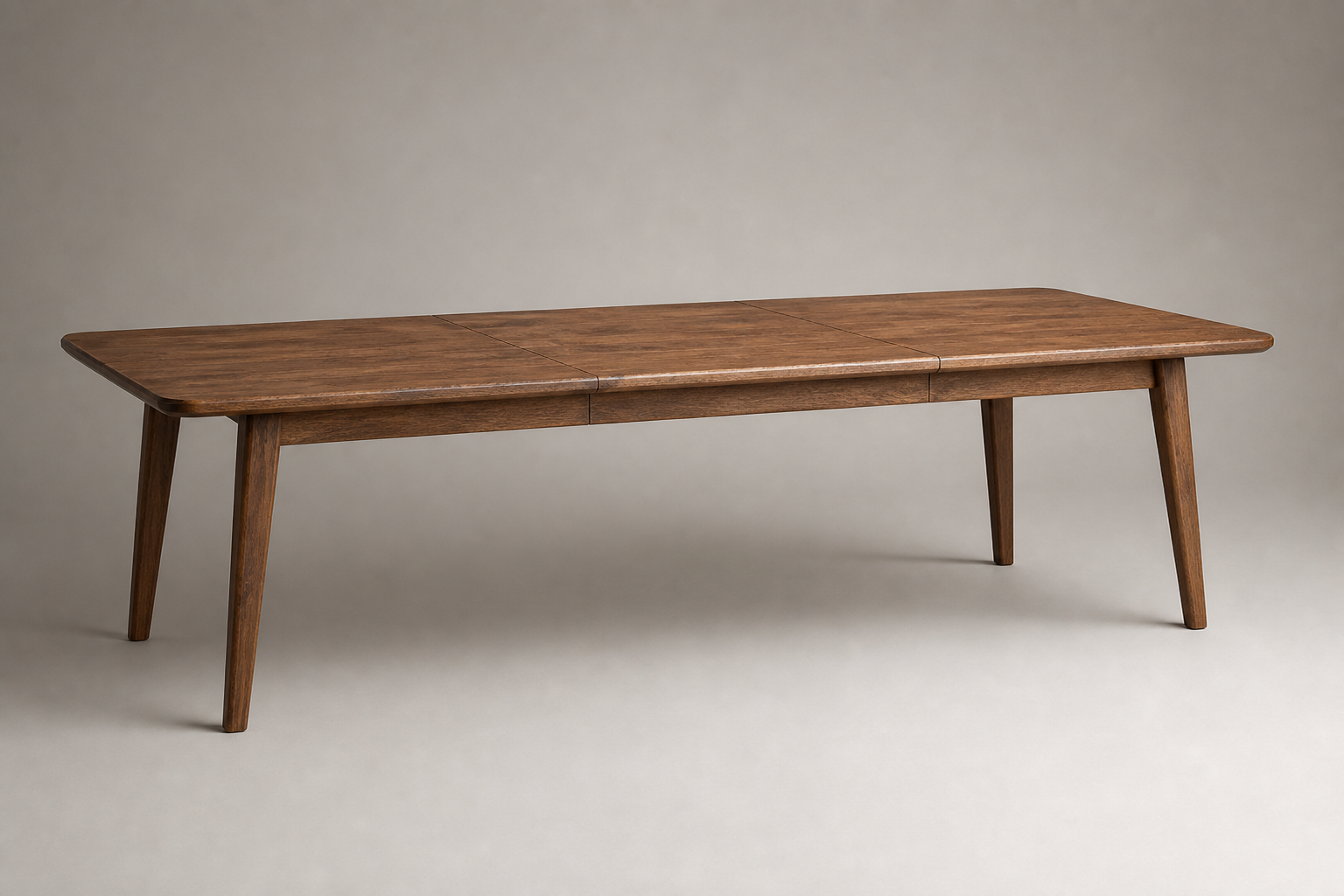
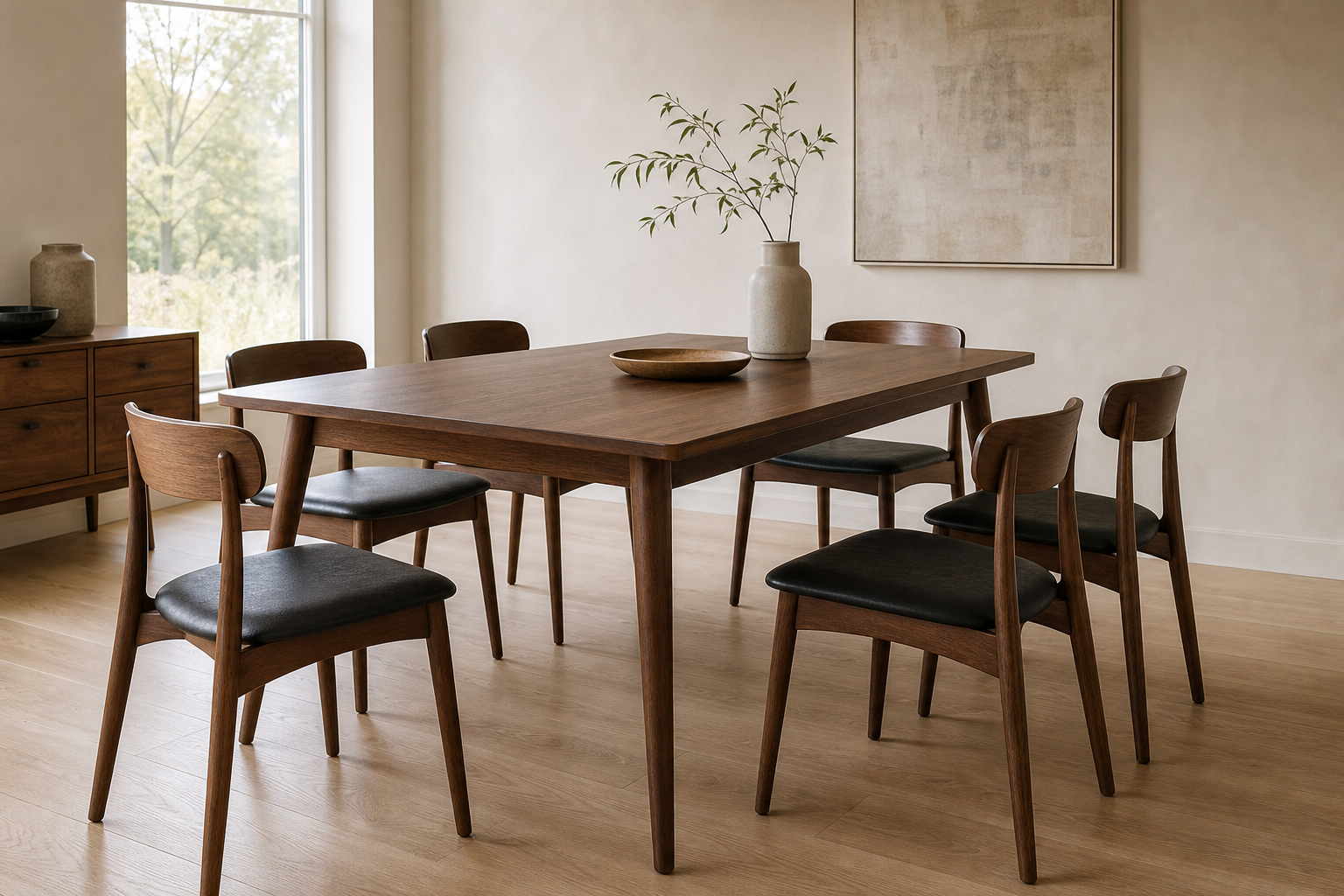
An extendable <a href="/products/article-conan-75-oval-dining-table-walnut/" class="product-inline-link">dining table</a> should work well on an ordinary Tuesday before it proves useful at a crowded holiday meal. The best models feel like properly proportioned everyday tables, then add enough seating without becoming unstable, awkward to open, or impossible to walk around.
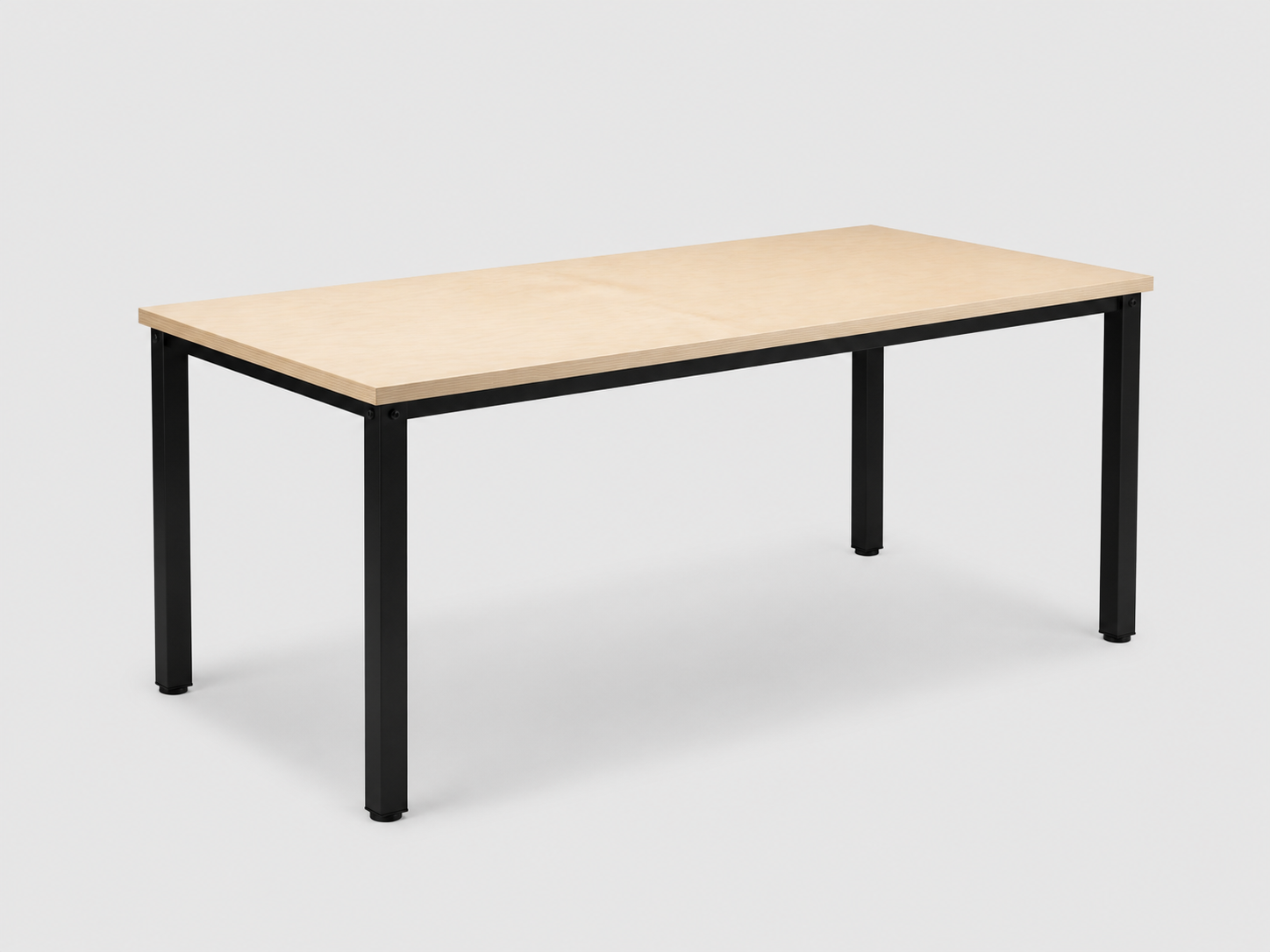
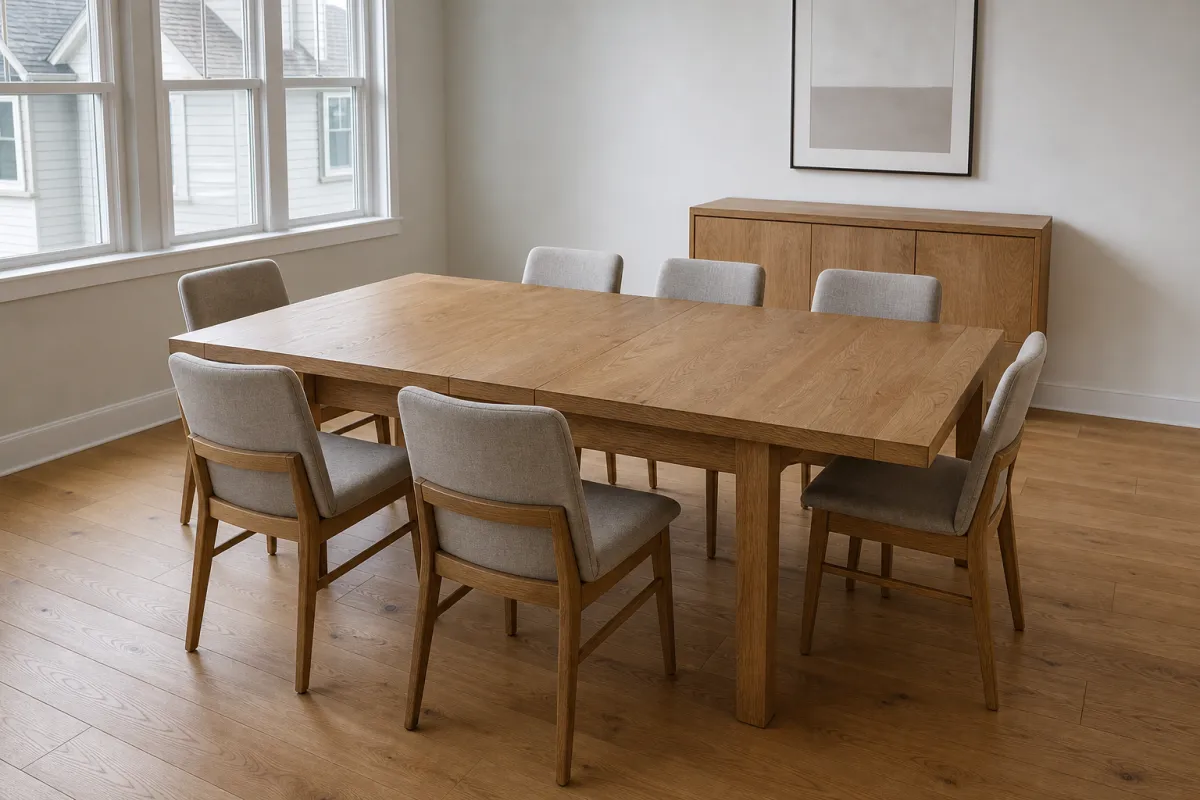
For most households, the safest choice is a rectangular table with a smooth, well-supported extension mechanism and leaves that can be stored inside the table. Solid wood and quality wood veneer are practical for everyday use, while ceramic-topped tables suit buyers who put stain and heat resistance ahead of easy moving. Your final choice should be based on room dimensions, realistic seating needs, mechanism quality, weight, and delivery access rather than the largest advertised capacity.
There is no single best extendable dining table for every home. A renter in a compact apartment needs something very different from a family furnishing a dedicated dining room. The right table is the one that remains comfortable and sturdy in both its closed and extended positions.
Start with the room, not the seating claim
Measure the dining area before comparing finishes or prices. Record the room's length and width, then note anything that interrupts circulation: radiators, kitchen islands, sideboards, door swings, floor vents, and routes to adjoining rooms. A <a href="/products/cb2-nigel-leather-dining-chair-bello-saddle/" class="product-inline-link">dining chair</a> usually needs about 24 inches of width per person. Behind each occupied chair, allow roughly 36 inches for someone to sit and move; 42 to 48 inches is more comfortable where people regularly walk past.
Measure the table in both configurations. A six-seat table that extends to ten may fit neatly when closed but block a kitchen doorway once the leaves are installed. Mark the proposed dimensions on the floor with painter's tape. Pull out the chairs you already own, or place boxes where chairs would sit, and walk around the outline. Test the table at its full length, since that is when circulation problems appear.
Do not buy for the largest gathering you can imagine if that event happens once every few years. A table that comfortably seats four or six every day and eight occasionally is often more useful than an oversized model that dominates the room. Folding chairs or a second temporary table may be a better answer for rare twelve-person meals.
Use this quick-reference sizing guide
Manufacturer seating claims are useful for comparison, but they are not guarantees. Wide chairs, table legs, armrests, and large place settings can all reduce the actual capacity. Use the following dimensions as planning ranges, then check the specific table's leg positions and extension layout.
| Everyday use | Useful closed length | Useful extended length | Typical room fit | What to verify |
|---|---|---|---|---|
| 2–4 people | 36–48 in. | 60–72 in. | Small apartment or breakfast area | Chairs clear the legs when closed |
| 4–6 people | 54–72 in. | 72–90 in. | Open-plan kitchen or modest dining room | Walkway remains open when extended |
| 6–8 people | 72–84 in. | 96–108 in. | Dedicated dining area | Center supports and leaf alignment |
| 8–10 people | 84–96 in. | 108–120+ in. | Large dining room | Delivery access and floor clearance |
Also check table width and height. A width of about 36 to 42 inches usually leaves room for place settings and shared dishes without making conversation feel distant. Most dining tables are around 29 to 30 inches high, but the more important measurement is the clearance beneath the apron. Thick aprons can press against taller diners' thighs even when the overall height looks standard.
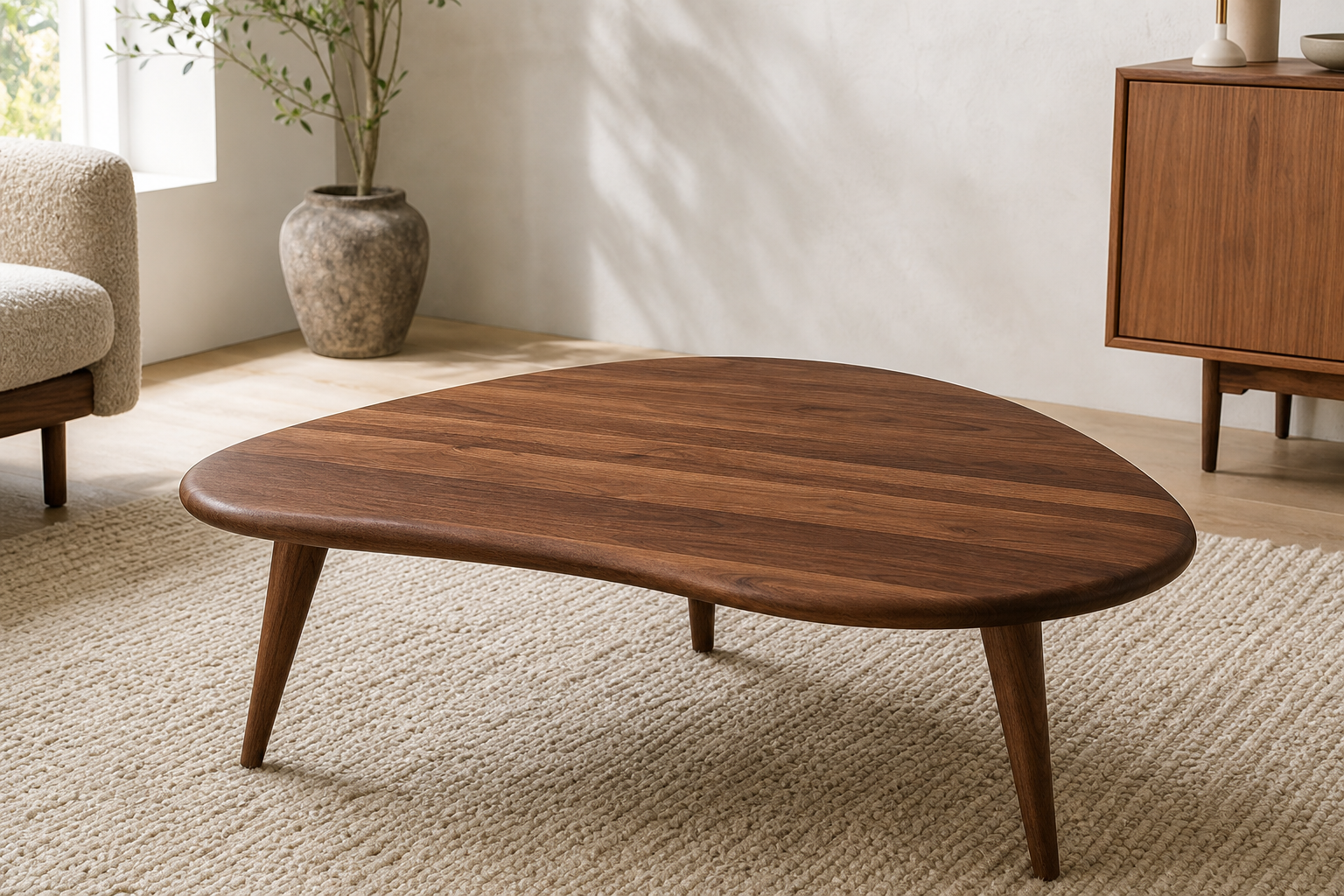
Round and oval tables need separate consideration. They improve movement around corners and can suit square rooms, but extension leaves often turn them into elongated ovals. Review both shapes in the product photographs or dimension diagrams. A table that looks balanced as a circle may feel unexpectedly long and narrow after extension.
Compare extension mechanisms before comparing colors
A butterfly leaf folds in the center and stores beneath the tabletop. It is convenient because there is no separate panel to lose or carry from another room. A good butterfly mechanism should unfold without forcing the hinges, settle flat, and receive support from the table frame. The tradeoff is added weight and hardware beneath the top, which may reduce knee clearance.
Drop-in leaves are separate panels placed between two halves of the table. They can provide a clean surface and may allow more than one extension length. However, the leaves need safe, dry storage where they will not warp or collect scratches. Compare the thickness and finish of the leaves with the main tabletop. On poorly matched sets, stored leaves may remain darker than a sun-exposed table.
Self-storing, draw-leaf, and rotating extensions can be fast to operate, but convenience should not replace structural support. Look for locking hardware, alignment pins, robust slides, and a center support when the span becomes long. If product photographs never show the underside or the extended table bearing weight, ask the retailer for additional images or a mechanism diagram.
Choose a material that suits everyday use
Solid wood can be repaired, refinished, and kept for decades if the construction is sound. It also moves slightly as humidity changes, so small seasonal gaps do not automatically indicate a defect. Check whether the description names the wood species and distinguishes solid wood from engineered panels. "Wood construction" may refer to a mix of solid components, veneer, plywood, and fiberboard.
Wood veneer can be an excellent practical choice. A quality veneer over stable plywood or engineered wood is less prone to broad seasonal movement and may cost less than a comparable solid-wood table. The main limitation is repair depth: deep sanding can cut through the thin surface layer. Inspect edge photographs for exposed substrate, lifting seams, and weak banding around the extension leaves.
Ceramic and stone-look tops resist many stains and can handle busy households, but they are heavy and may chip at exposed edges. Glass makes a small room feel visually lighter, though fingerprints and edge damage are harder to ignore. Laminate is affordable and easy to wipe down, but swollen seams are difficult to repair after water penetration. Whatever the material, use trivets and follow the maker's care instructions rather than assuming that a heat-resistant surface is immune to thermal shock.
Match the table type to your household
For a compact rental, consider a narrow rectangular or round pedestal table with one self-storing leaf. A pedestal can improve legroom, but the base must be broad and heavy enough to resist rocking when the table is extended. Before ordering, confirm that the top and base can be disassembled for moving. A table that fits the dining nook may still be too large for the building's elevator or stair turn.
For families, prioritize a washable finish, rounded or softened corners, a reliable lock, and enough under-table clearance for different chairs. A solid or veneered wood top will show wear over time, but repairable wear may be preferable to a brittle high-gloss coating. If crafts and homework happen at the dining table, ask whether the warranty covers household use beyond dining.
Frequent hosts may benefit from two leaves or a telescoping mechanism that creates several lengths. Check whether every seat remains usable after extension. Some tables place guests directly over support legs or create a narrow chair position where two table halves meet. For long rooms, a rectangular table usually uses space more efficiently; in a square room, an oval extension can soften circulation around the ends.
Inspect construction quality when shopping online
Start with the product specifications, not the styled photographs. You need the closed and extended dimensions, table weight, tabletop thickness, clearance beneath the apron, distance between legs, extension type, leaf-storage method, and maximum supported load. If the retailer omits several of these measurements, request them in writing before buying.
Look closely at customer photographs for gaps, sagging leaves, finish variation, cracked corners, and misaligned hardware. Reviews are most useful when they describe the buyer's floor type, assembly process, length of ownership, or specific defect. A vague statement that a table is "beautiful" tells you less than a report that the center leaf still sits level after a year of weekly use.
Study the return policy before checkout. Large furniture can carry restocking, return freight, or repacking charges that make a change of mind expensive. Confirm whether delivery includes curbside drop-off, threshold delivery, room placement, or assembly. Save the product listing and dimensions because online descriptions can change after an order is placed.
Treat stability and weight capacity as safety issues
An extended table creates more leverage on its base and slides. Lock the extension before use, make sure every leaf is fully seated, and keep the table on a level surface. Never let anyone sit, stand, or climb on the tabletop. Do not place a heavy aquarium, stone sculpture, or concentrated equipment load on it unless the manufacturer explicitly approves that use and provides an adequate weight rating.
Weight capacity deserves attention throughout the dining area. Shelving, bookcases, bar cabinets, and desks near the table should stay within their stated limits. Tall dressers and bookshelves can tip when drawers are opened or a child climbs on them, so anchor them to suitable wall structure with manufacturer-approved hardware. If you rent, discuss an anchoring plan with the property owner rather than leaving unstable furniture unsecured.
For homes with children, choose softened corners or add securely attached corner guards that cannot become small loose parts. Keep extension hardware inaccessible where possible, and keep fingers away from slides, hinges, and closing gaps. Adults should operate the mechanism slowly while confirming that children are clear of the table.
Check finishes, off-gassing, and nearby upholstery
New tables made with composite wood, adhesives, coatings, or packaged foam may release noticeable odors after unboxing. Ask about material disclosures and relevant formaldehyde-emission certifications when composite panels are used. Ventilate the room, remove packaging promptly, and allow the table to air out according to the manufacturer's directions. If an odor causes headaches, breathing irritation, or other symptoms, stop using the room and seek appropriate medical or environmental advice.
An extendable table itself is not upholstered, but dining chairs, benches, and nearby banquettes may contain foam, fabric, and fire-retardant treatments. Review the upholstery label and retailer documentation rather than relying on assumptions such as "chemical free." Fire-safety rules and labeling requirements vary by location. Keep upholstered seating away from open flames, heaters, and damaged electrical outlets.
Do not try to remove coatings, strip unknown finishes, or sand composite panels indoors simply to reduce an odor. That can create dust and increase exposure. If a product arrives with a strong persistent smell, oily residue, damaged finish, or missing material information, document the problem and contact the seller before attempting a home remedy.
Budget for the whole purchase
The sticker price is only part of the cost. Add delivery, assembly, old-table removal, protective pads, suitable chairs, and possible return freight. White-glove delivery can be worth paying for when a table is very heavy, has a fragile ceramic top, or must travel up narrow stairs. Confirm what the service actually includes; some delivery teams place boxes in the room but do not assemble or remove packaging.
At the lower end of the market, spend money on a sound frame and reliable slides before paying for a fashionable finish. In the middle range, compare joinery, leaf alignment, warranty coverage, and repairability. A higher price can buy better materials and service, but it does not automatically produce a steadier table. Brand reputation is not a substitute for dimensions and construction details.
If the table will move with you, portability has financial value. A model with a removable base, manageable component weights, and replaceable hardware is easier to transport than a single heavy frame. Keep assembly instructions, spare fasteners, touch-up information, and the correct tool with the household records.
Avoid these common buying mistakes
Do not judge capacity from a wide-angle room photograph. Count the usable chair positions and compare them with the distance between legs. Another common mistake is buying a table first and chairs later. Armchairs may not fit beneath a low apron, while extra-wide seats can turn an advertised eight-person table into a comfortable six-person table.
Avoid assuming that every leaf stores inside the table. Separate leaves require a flat storage location with stable temperature and humidity; leaning one against a damp garage wall can lead to warping or edge damage. Do not drag a heavy extended table across the floor. Close it first, remove separate leaves, and lift it with enough capable adults or professional movers.
Finally, do not ignore an extension that grinds, binds, or needs force. Check the instructions and visible alignment, but stop before bending a rail or trapping fingers. Lubricants can damage finishes or attract debris, so use only a product approved by the manufacturer.
Know when professional help is the safer choice
Use professional delivery or assembly when the tabletop is too heavy to control safely, the route includes tight stairs, or the table requires precise alignment of a large base. Stop the installation if hardware is missing, threaded inserts spin, the top appears cracked, or the extension rails do not sit parallel. Photograph the problem before making alterations that could affect the warranty.
A furniture repair specialist may be able to correct loose joinery, damaged slides, or a leaf that no longer sits flush. Contact the manufacturer first if the table is new. Structural repairs are not a good place for improvised screws, brackets, or glue when the repairer does not understand how the extension moves.
For nearby anti-tip anchors, use a qualified installer if you cannot identify the wall construction or locate suitable framing. Electrical smells, hot outlets, or damaged wiring near the dining area require an electrician, not a furniture fix. Safety problems should be resolved before the room returns to regular use.
Frequently asked questions
What shape is best for an extendable dining table? Rectangular tables usually provide the most predictable expansion and suit long rooms. Round tables work well in square or compact spaces and have no sharp corners, but they often become oval when extended. Choose based on the extended footprint, not only the closed shape. Are self-storing leaves better? They are more convenient and harder to misplace, though they add weight and moving parts. Separate leaves can provide a cleaner mechanism but need careful storage.
How many people can a 72-inch table seat? Six adults will usually fit comfortably, while eight may fit with narrower chairs and restrained place settings. Leg positions can make the practical number lower. Can one person open an extendable table? Some synchronized and butterfly mechanisms are designed for one-person operation, but others require two adults. Follow the instructions and never force a heavy top apart alone.
Should I buy solid wood or veneer? Solid wood is attractive and repairable, but it can be expensive and may move with humidity. A well-made veneer table can be stable, lighter, and more affordable. Construction quality matters more than treating either label as an automatic sign of quality.
A final pre-purchase checklist
Before ordering, confirm the closed and extended measurements, walking clearance, chair width, apron clearance, leg positions, leaf storage, weight capacity, table weight, delivery route, assembly service, warranty, and return charges. Keep a screenshot or PDF of the specifications with your receipt.