Hunting note
Start with the decision, then inspect the details.
A practical guide for homeowners and renters researching furniture purchases online on best velvet sofa that lasts, covering the best next steps, tradeoffs, and when to call a pro.
Velvet sofas have surged in popularity for their luxurious look and soft texture, adding instant elegance and comfort to any living space. But beyond the glamour, finding the best velvet sofa that lasts means balancing style with durability, safety, and practical living needs. Whether you’re a homeowner furnishing a new space or a renter looking to upgrade your lounge without sacrificing longevity, this guide will walk you through the essential considerations, common pitfalls, and expert advice to help you make a confident purchase.
Why Choosing a Durable Velvet Sofa Matters
Velvet sofas are often seen as delicate or high-maintenance pieces, but a well-made velvet sofa can serve as a centerpiece in your home for years—if you know what to look for. The key is understanding the materials, construction, and maintenance requirements that influence how long your sofa will maintain its beauty and function.
Investing in the best velvet sofa that lasts means avoiding the frustration and cost of early wear, sagging cushions, or fabric damage. A durable velvet sofa also enhances safety, particularly in homes with children or pets, where furniture tip-over risks and fabric resilience become critical. Beyond aesthetics, durability affects comfort and usability, ensuring you get consistent support and softness over time.
What to Check First Before Buying a Velvet Sofa
Before clicking “add to cart” or heading to the showroom, there are several foundational checks to perform:
1. Fabric Quality and Type of Velvet
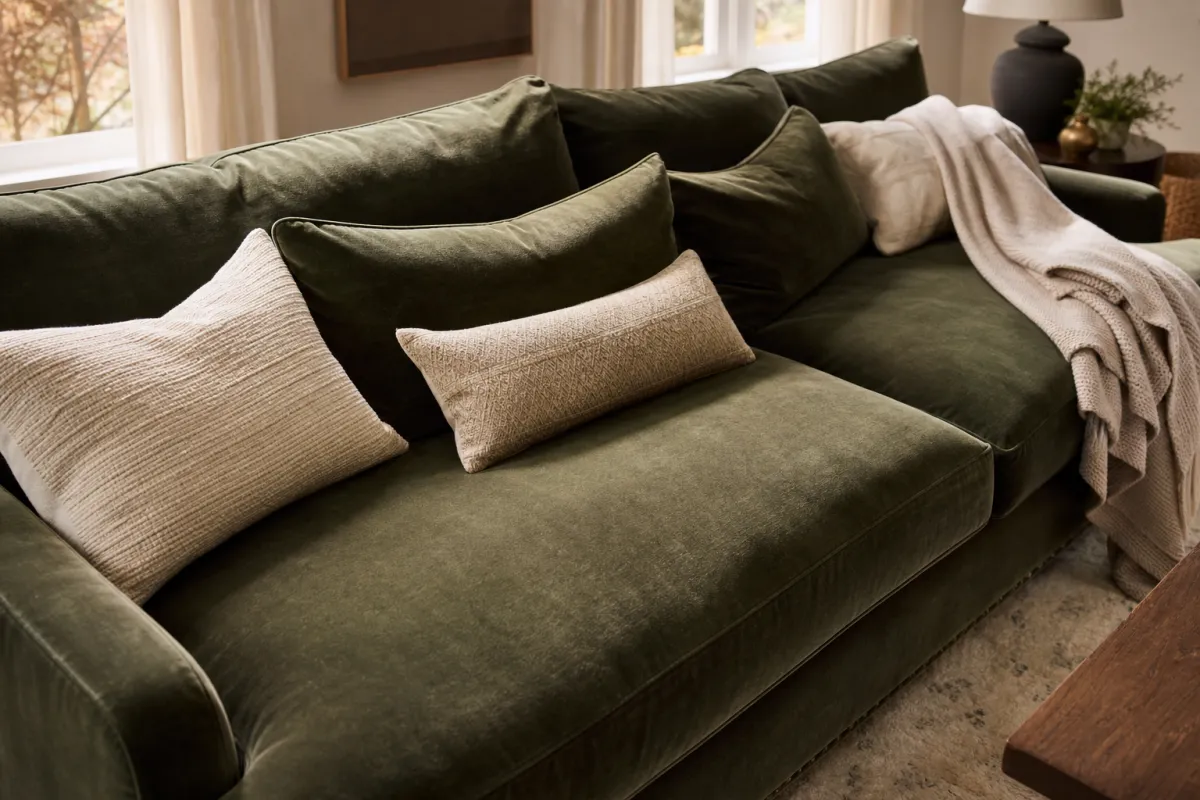
Not all velvets are created equal. The most durable velvet sofas use synthetic blends like polyester velvet or microfiber velvet, which resist stains and wear better than natural silk or cotton velvets. Look for velvet with a high rub count (measured in double rubs)—ideally over 15,000—indicating it can withstand heavy use.
Check the pile density and weave tightness; denser velvet holds up better to daily wear. Also, consider velvet finishes that offer stain resistance or easy cleaning.
2. Frame Construction
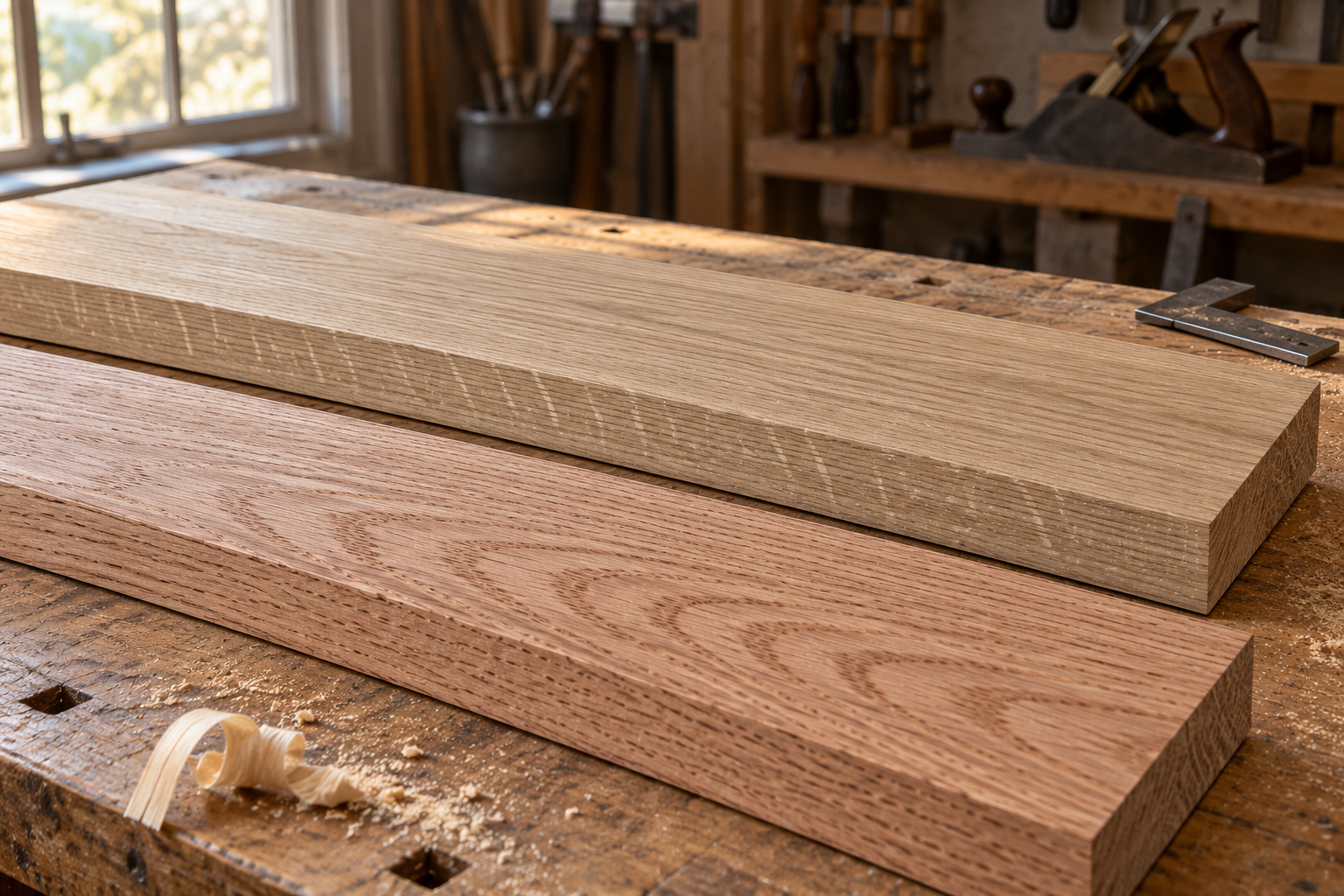
The sofa’s frame is the backbone of durability. Solid hardwood frames—such as kiln-dried oak, maple, or beech—offer the best longevity. Avoid frames made from particleboard or softwoods, which tend to warp or break over time. Joints should be glued, doweled, and screwed, not just stapled.
3. Cushion Fillings and Support
High-density foam cushions wrapped in down or polyester fiberfill provide comfort and shape retention. Springs (such as eight-way hand-tied or sinuous springs) within the seat base improve support and prevent sagging. Avoid sofas with cheap foam alone, which can flatten quickly.
4. Size and Weight Capacity
Measure your space carefully and consider the sofa’s weight capacity, especially if you plan to use it frequently or have multiple users. Most sofas support between 250–350 pounds per seat; verify this with the manufacturer.
Best Velvet Sofa Options and Steps to Choose
Here’s a step-by-step approach to identifying the best velvet sofa that lasts for your needs:
Step 1: Define Your Budget Realistically
Durable velvet sofas typically start around $1,000 and can go upwards of $3,000 or more for luxury brands. Set a budget that aligns with your expectations for quality and longevity. Remember, a cheaper sofa may save money upfront but cost more in repairs or replacement.
Step 2: Prioritize Fabric Durability and Maintenance
If you have kids or pets, look for velvet sofas with stain-resistant treatments or consider velvet blends with synthetic fibers. Some brands offer velvet treated with nanotechnology coatings that repel spills.
Step 3: Test Comfort and Support In-Person or Virtually
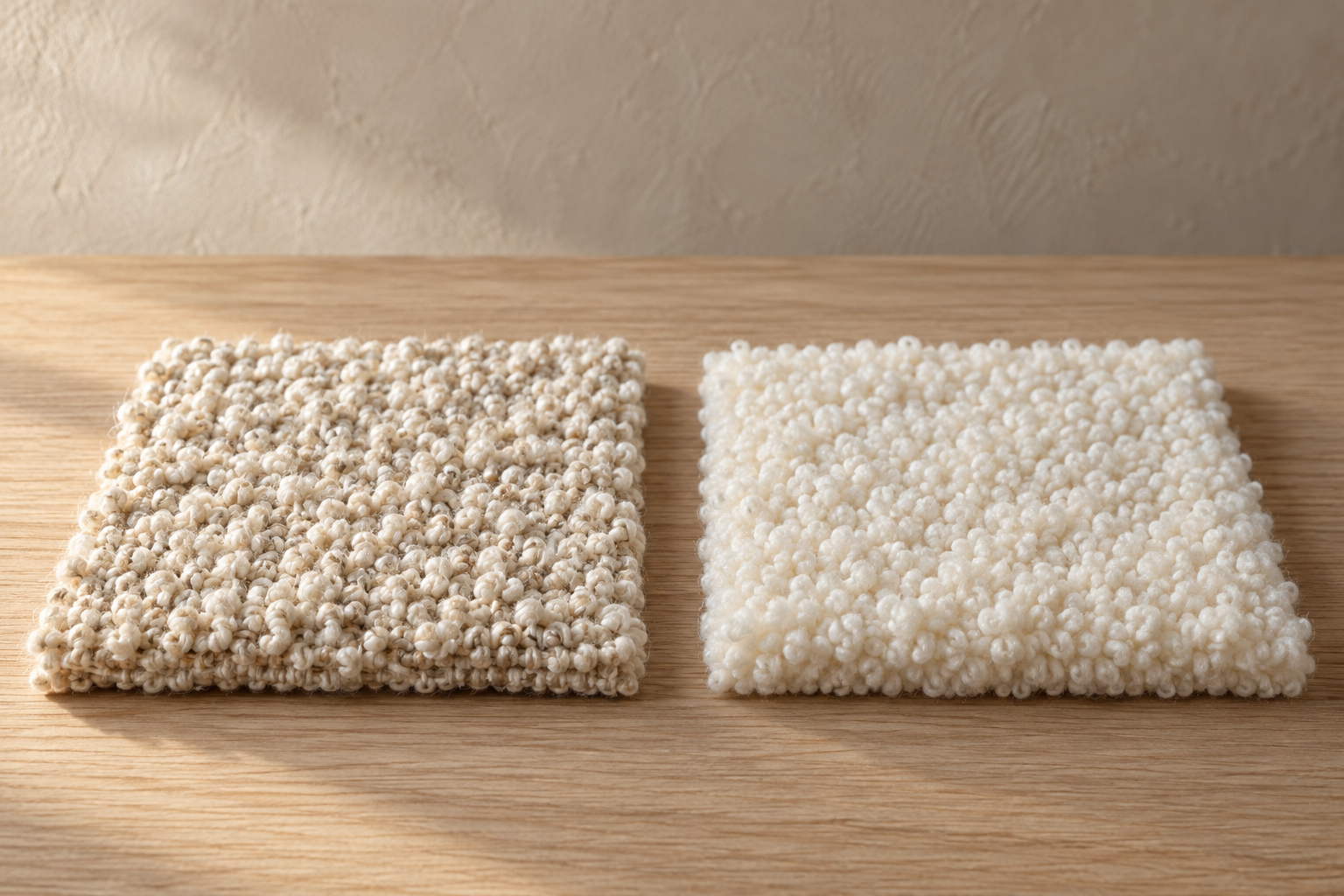
If possible, sit on the sofa before buying to check cushion firmness and back support. If shopping online, read detailed reviews and check return policies. Consider ordering fabric swatches to evaluate color and texture in your home lighting.
Step 4: Confirm Safety Features
Ensure the sofa has anti-tip brackets or wall anchors if it’s tall or heavy, especially for homes with toddlers. Check for flame-retardant certifications on upholstery, which vary by region but are increasingly common for upholstered furniture.
Step 5: Plan for Delivery and Assembly
Velvet sofas can be heavy and bulky. Confirm delivery options, assembly requirements, and whether the seller provides white-glove service. Proper installation helps prevent damage and ensures stability.
Common Mistakes to Avoid When Buying a Velvet Sofa
Mistake 1: Prioritizing Looks Over Durability
Velvet’s appeal can blind buyers to weak frames or low-quality fabric that won’t last. Don’t sacrifice construction quality for a trendy color or design.
Mistake 2: Ignoring Fabric Care Instructions
Velvet requires specific cleaning methods. Using the wrong products can damage the pile or cause discoloration. Always check manufacturer cleaning recommendations and consider professional cleaning services.
Mistake 3: Overlooking Safety Concerns
Heavy sofas without proper anchoring can tip, especially in homes with children. Also, cheap sofas may use fabrics with high VOC off-gassing or lack fire safety certifications—both important for indoor air quality and safety.
Mistake 4: Buying Without Measuring Space and Doorways
Velvet sofas are often plush and bulky. Failing to measure hallways, doorways, and room dimensions can lead to delivery headaches or the need for costly returns.
When to Call a Pro: Knowing Your Limits
While buying a sofa is often a straightforward retail experience, there are times when expert help is invaluable:
- Custom Upholstery or Repairs: If you want a bespoke velvet sofa or need to recover an existing sofa, professional upholsterers ensure fabric is applied correctly without damage.
- Structural Modifications: For unusual room layouts or integrating sofas into built-in seating, a carpenter or interior designer can advise on durability and aesthetics.
- Safety Installations: Wall anchoring heavy sofas or bookshelves nearby is best done by professionals to reduce tip-over risks.
- Cleaning and Maintenance: Professional velvet cleaning services use specialized equipment and solutions to maintain fabric integrity and remove deep stains safely.
FAQ: Velvet Sofa Durability and Care
Q1: How do I clean and maintain a velvet sofa to make it last?
A: Regularly vacuum with a soft brush attachment to remove dust and debris. For spills, blot immediately with a clean cloth—never rub. Use a velvet-specific upholstery cleaner or mild soap solution, and consider professional cleaning annually.
Q2: Is velvet a good choice for homes with pets?
A: Velvet can attract pet hair and claw marks, but synthetic velvet blends and stain-resistant finishes improve durability. Keep pets’ nails trimmed and use throws or slipcovers to protect the sofa.
Q3: How can I tell if a velvet sofa frame is sturdy?
A: Look for hardwood frames with reinforced joints (glued, screwed, doweled). Ask the retailer about frame materials and construction details. A solid frame should not creak or wobble.
Q4: Are velvet sofas safe regarding fire retardancy?
A: Many modern sofas meet fire safety standards with treated upholstery. Check product specifications for certifications like California TB117-2013 or similar regional regulations.
Q5: Can I get a velvet sofa in a compact size for a small apartment?
A: Yes, many manufacturers offer velvet sofas in loveseat or apartment-sized models. Focus on scale and comfort while ensuring the quality isn’t compromised.
Quick Reference Checklist: Buying the Best Velvet Sofa That Lasts
| Aspect | What to Look For | Notes |
|---|---|---|
| Fabric | High rub count (15,000+), synthetic blends | Stain-resistant finish preferred |
| Frame | Kiln-dried hardwood, glued & screwed joints | Avoid particleboard |
| Cushion Fillings | High-density foam + fiberfill, springs | Ensures comfort & shape retention |
| Safety | Wall anchors, flame-retardant upholstery | Essential for kids/pets homes |
| Size & Weight Capacity | Fits room & supports users’ weight | Measure doorways for delivery |
| Maintenance | Vacuum regularly, clean spills immediately | Use velvet-specific cleaners |
| Budget | $1,000–$3,000+ based on quality | Balance cost with durability |
| Delivery & Assembly | Professional or white-glove delivery | Prevents damage & ensures setup |