Hunting note
Start with the decision, then inspect the details.
A practical guide for homeowners and renters researching furniture purchases online on Serena and Lily knockoffs, covering the best next steps, tradeoffs, and when to call a pro.
Serena & Lily’s relaxed coastal aesthetic is easy to recognize: woven rattan, pale oak, tailored upholstery, ceramic lamps, natural fibers, and plenty of crisp white and blue. It is also expensive to reproduce room by room. Fortunately, shoppers can find Serena and Lily knockoffs—or, more accurately, well-made lookalikes—without settling for furniture that feels disposable.
The key is to shop for specific design characteristics rather than a copied product name. A good alternative should capture the material, proportions, color, and overall mood of the original while still standing on its own. It should also be appropriately sized, structurally sound, and practical for your household.
This guide explains which details are worth matching, where you can compromise, and how to compare lower-priced alternatives safely. It also covers the hidden costs that can make an apparent bargain less attractive once delivery, assembly, durability, and returns are considered.
Start by Identifying What You Actually Like
Before searching for a cheaper version, identify the two or three qualities that make the original piece appealing. A woven bed might stand out because of its warm rattan texture, gently arched headboard, and airy silhouette. A <a href="/products/cb2-nigel-leather-dining-chair-bello-saddle/" class="product-inline-link">dining chair</a> may appeal because of its white frame and natural cane seat. Those defining characteristics matter more than copying every curve, dimension, or decorative detail.
This step prevents a common shopping mistake: buying an alternative that looks vaguely coastal but does not create the same effect in the room. For example, a heavily distressed farmhouse cabinet is not necessarily a substitute for a clean-lined, grasscloth-covered console. Both may use pale colors and natural materials, but their visual weight and level of formality are different. Write down the desired material, finish, silhouette, dimensions, and function before opening dozens of retailer tabs.
Also decide where you are willing to compromise. Solid wood may matter for a <a href="/products/article-seno-71-dining-table-walnut/" class="product-inline-link">dining table</a> expected to survive years of daily use, while a wood-veneer nightstand may be perfectly reasonable in a guest room. Handwoven rattan may be important on a statement headboard, but synthetic wicker could be more practical for a damp sunroom. A successful lookalike preserves the features you notice first and compromises on details that will not affect daily use.
How to Search for Serena and Lily Knockoffs More Effectively
Searching only for “Serena and Lily knockoffs” often produces recycled shopping lists, outdated product links, or marketplace listings that borrow brand names too freely. More precise descriptive searches usually uncover better options. Replace the brand name with the object’s material, shape, finish, and style. Useful phrases include “whitewashed rattan nightstand,” “coastal <a href="/products/article-lenia-queen-spindle-bed-walnut/" class="product-inline-link">spindle bed</a>,” “woven seagrass console,” “blue ceramic gourd lamp,” and “natural cane counter stool.”
Image search can help identify terminology, but it should not be the final comparison tool. Two pieces can look nearly identical in a small photograph while differing significantly in scale, materials, stability, and finish quality. Once you find a candidate, move to the retailer’s full product page and inspect the specifications. Look for overall dimensions, interior storage dimensions, weight capacity, assembly requirements, material composition, warranty terms, and return costs.
Retailer filters are especially useful when the original item has an unusual size. Set width, depth, and height limits before filtering by color. This keeps attractive but impractical pieces out of the results. For upholstered furniture, add seat depth and seat height to your comparison notes. For lighting, check shade diameter, bulb base, maximum wattage, plug type, and whether the lamp or fixture is certified by a recognized electrical testing organization.
Quick Reference: What to Match and Where to Save
Not every detail deserves equal weight. Structural components, dimensions, and frequently touched surfaces should generally receive more scrutiny than decorative features. A lower-cost dresser with safe drawer operation and a durable case is often a better purchase than a nearly identical visual copy with weak joinery. Likewise, the right-sized sofa in a simpler fabric will usually look better than an ornate alternative that overwhelms the room.
Use this table as a first-pass comparison before placing an order. It does not replace reading the specifications, but it helps separate essential characteristics from features that are easier to compromise on.
| Furniture or object | Prioritize | Reasonable place to save | Check before buying |
|---|---|---|---|
| Rattan bed or headboard | Overall width, attachment method, frame strength | Exact weave pattern | Bed compatibility, wobble, wall clearance |
| Dining or counter stool | Seat height, stability, footrest strength | Minor finish differences | Weight capacity, floor protection, return shipping |
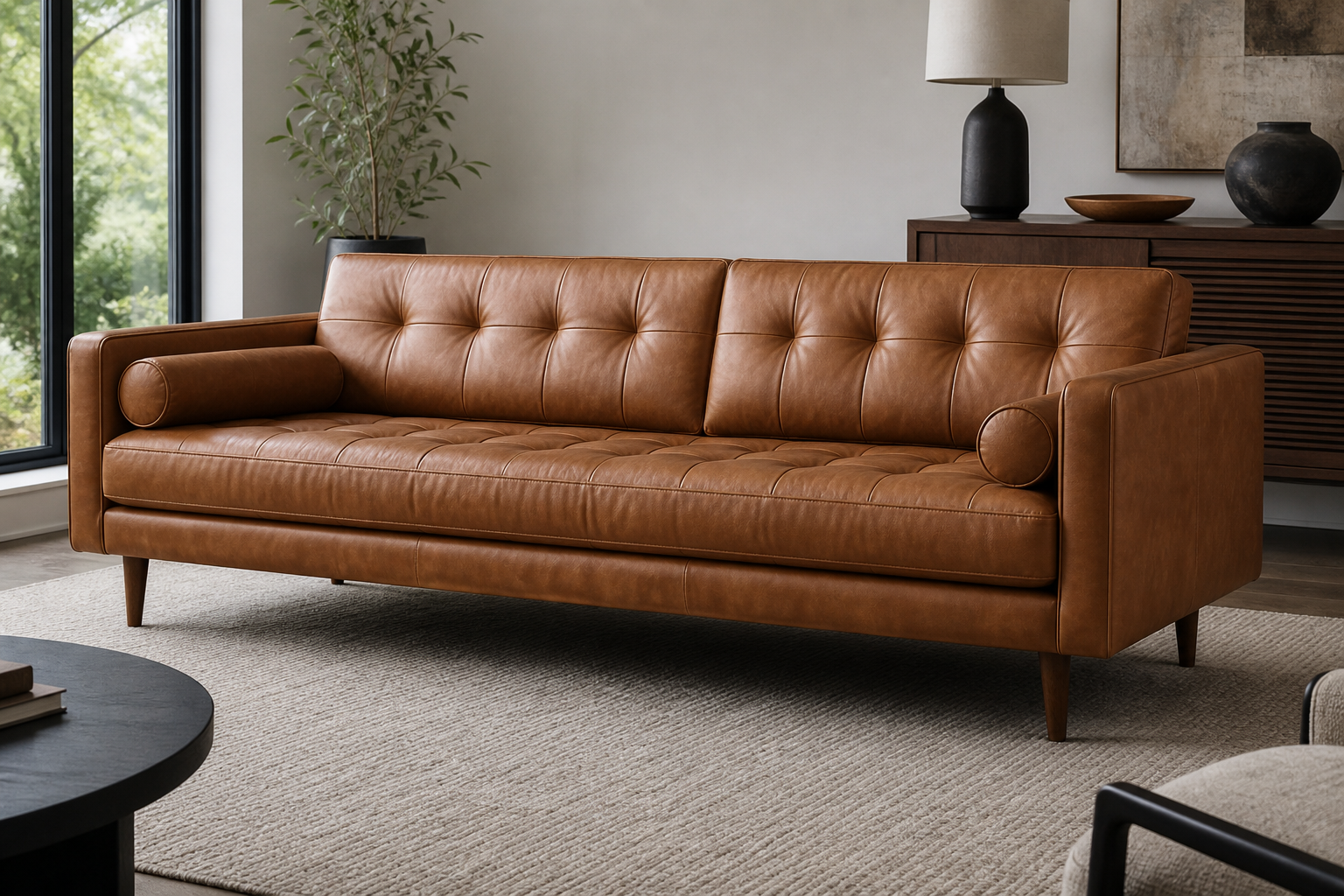
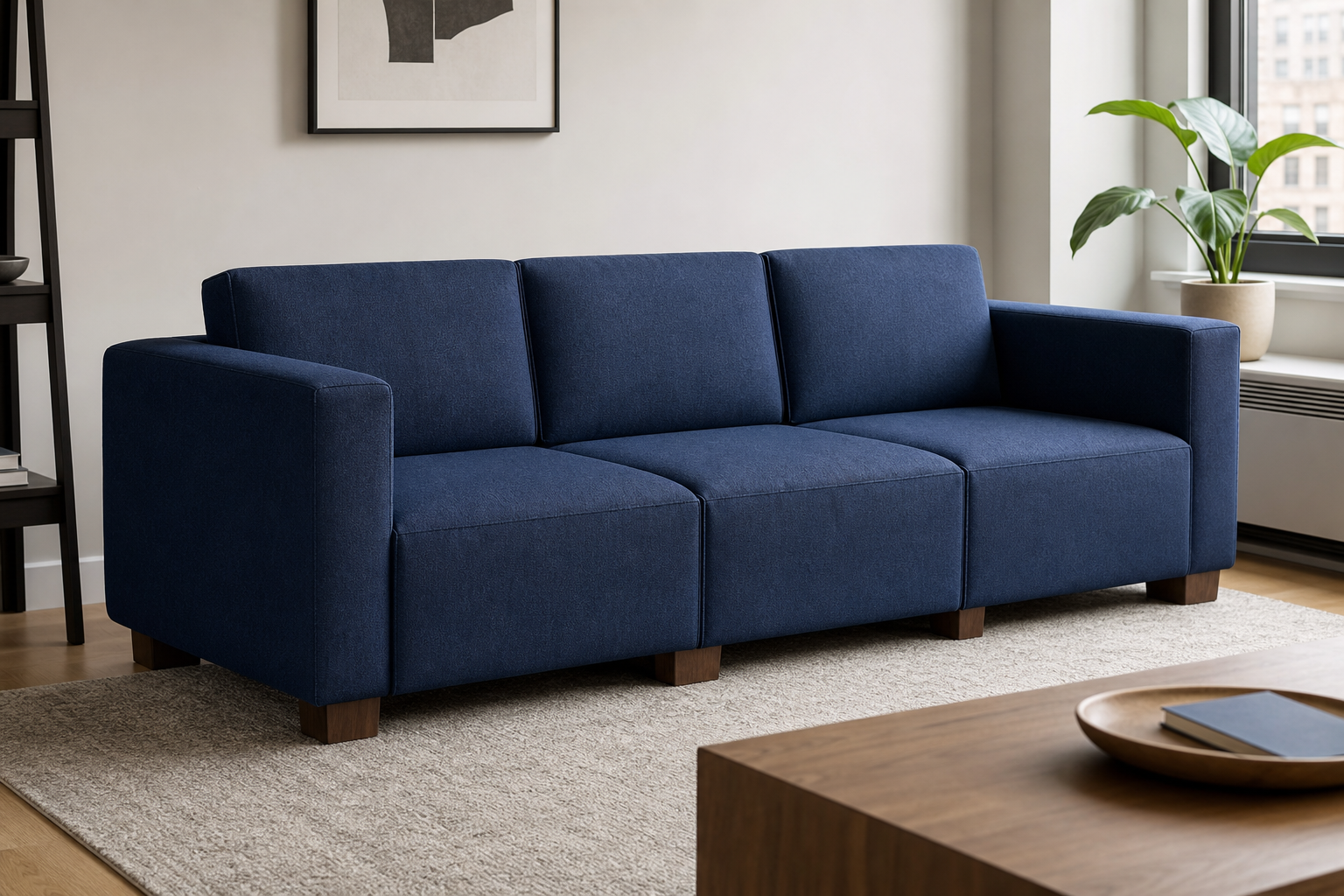
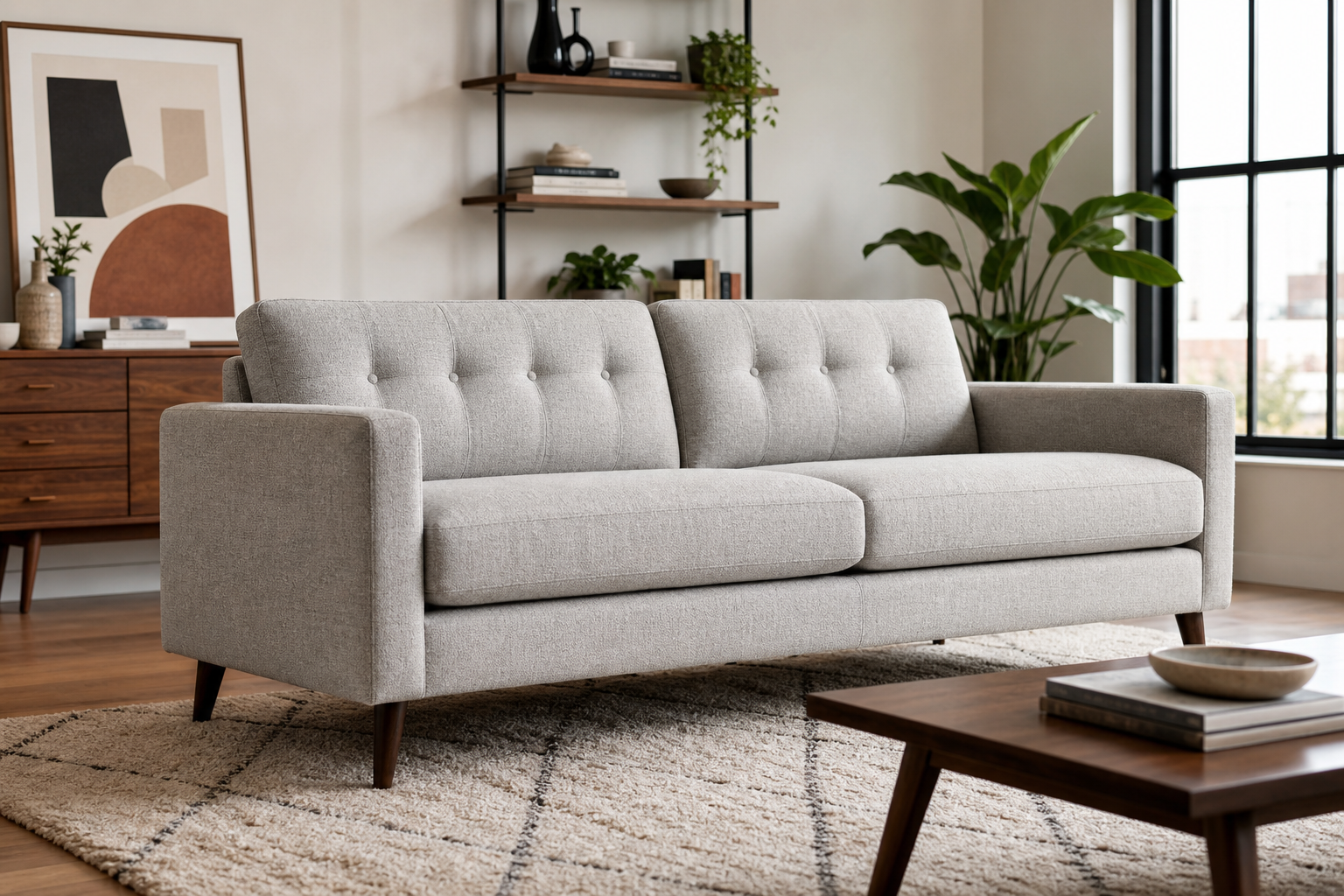
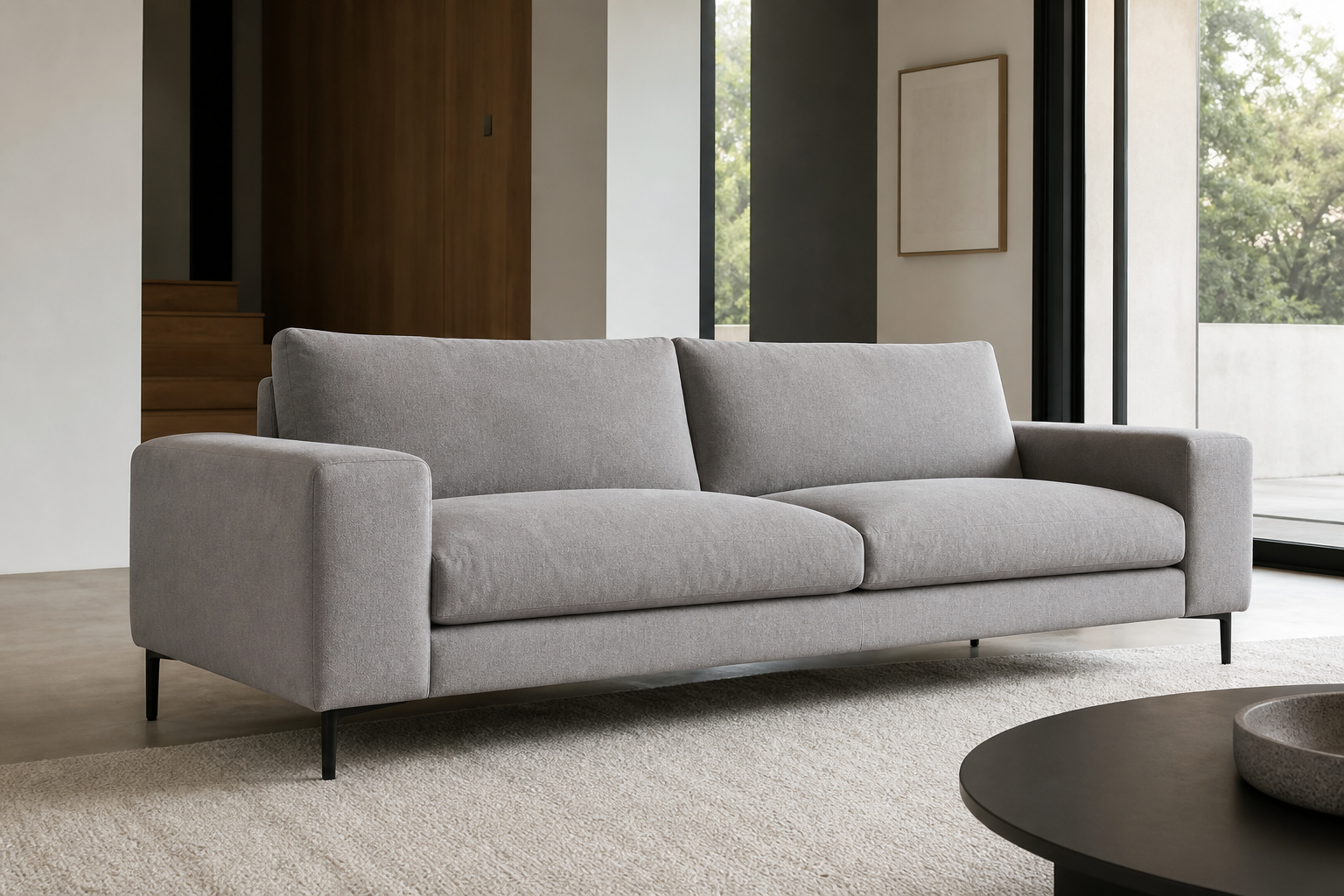
| Sofa or chair | Frame, seat depth, cushion construction | Designer fabric or decorative trim | Fire label, doorway clearance, cushion care |
| Dresser or nightstand | Drawer operation, case stability, anchoring provision | Interior finish | Tip-over risk, drawer stops, assembly |
| Console or bookshelf | Depth, shelf capacity, anti-tip hardware | Hidden back-panel material | Wall attachment, load distribution |
| <a href="/products/ikea-nymane-table-lamp-white/" class="product-inline-link">Table lamp</a> | Electrical certification, height, shade scale | Hand-painted variation | Bulb type, wattage, cord and switch placement |
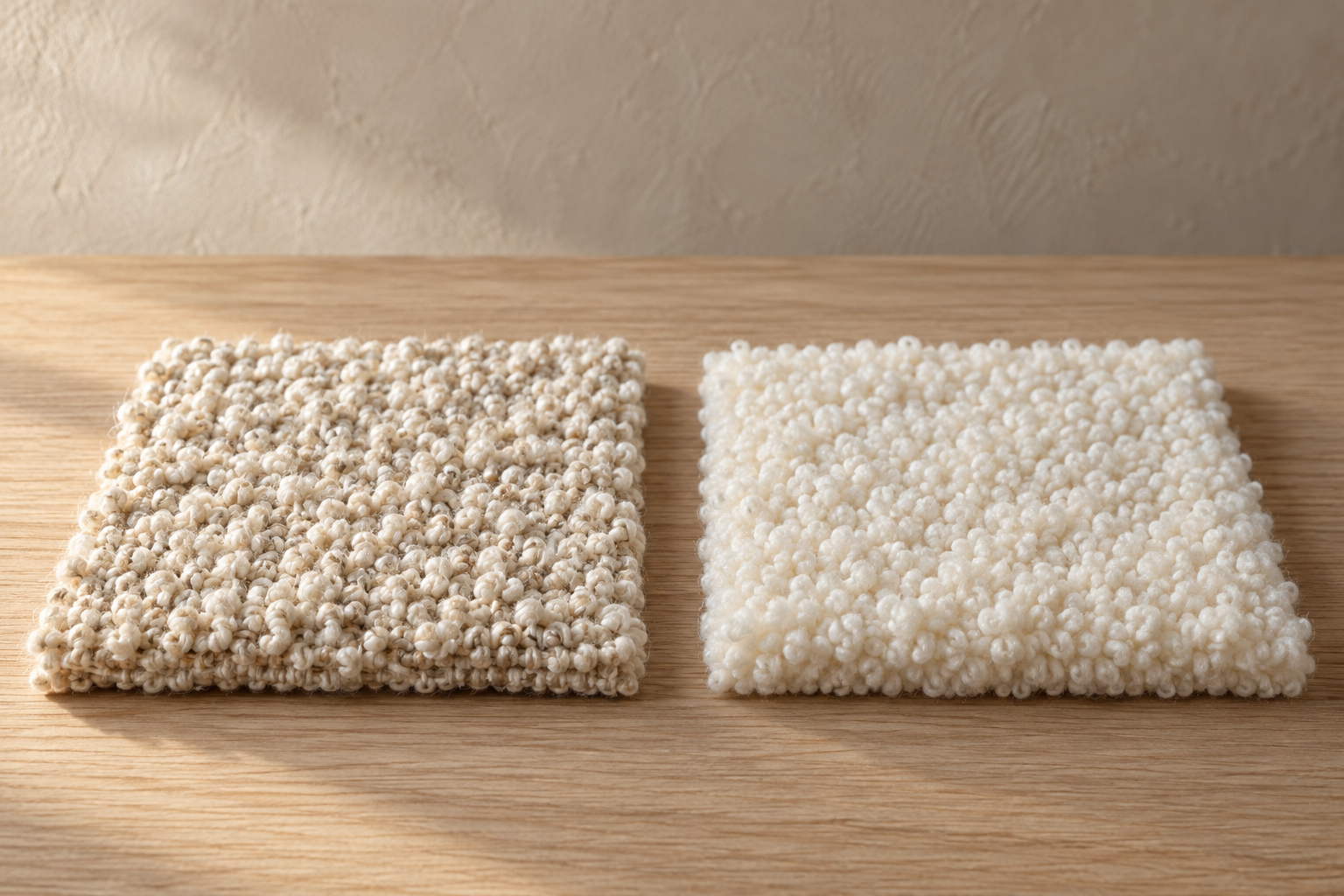
| Rug | Fiber, size, shedding expectations | Exact border pattern | Pad requirement, cleaning method, return policy |
| <a href="/products/article-amoeba-42-5-coffee-table-walnut/" class="product-inline-link">Coffee table</a> | Stability, edge shape, surface durability | Solid wood versus quality veneer | Sharp corners, finish care, floor clearance |
A quick table comparison is particularly useful when two products have a large price gap. If the less expensive option matches the important dimensions, uses suitable materials, and has clear safety information, the difference may be mostly branding or decorative refinement. If specifications are missing, however, the lower price should not automatically be interpreted as better value.
The Best Lookalike Categories to Shop
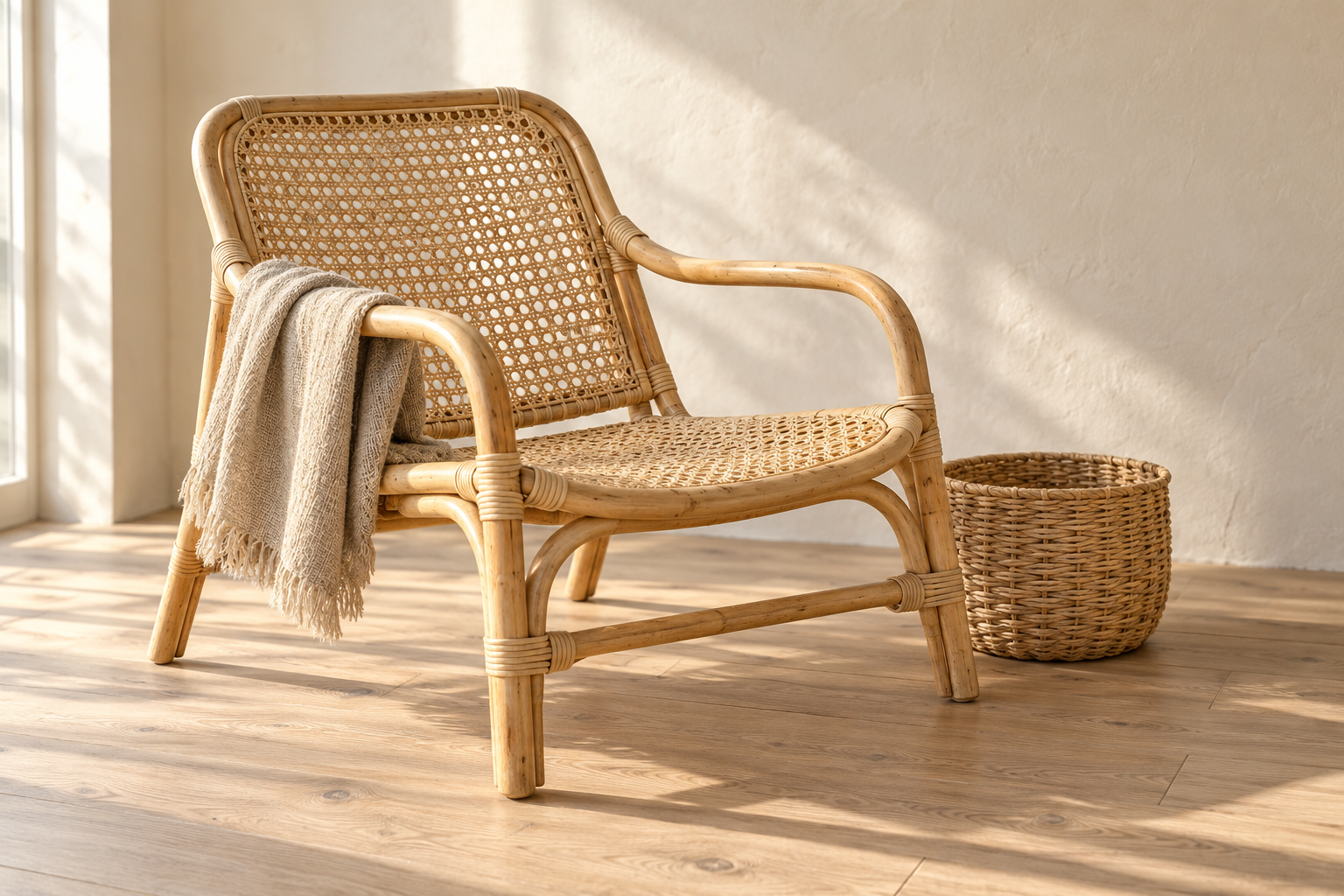
Woven furniture is one of the easiest categories in which to recreate the Serena & Lily mood. Search for rattan, cane, seagrass, rush, raffia, and woven water hyacinth, but read the material description carefully. “Rattan look” may mean molded plastic, printed laminate, or a thin woven panel attached to an engineered-wood frame. None of those materials is automatically unsuitable, but they should be priced and cared for differently from solid or handwoven natural rattan.
Lighting is another promising category because silhouette and scale often create more visual impact than a particular brand detail. Ceramic table lamps in white, indigo, pale celadon, or textured neutral glazes can deliver a similar effect. Woven pendant shades can also establish a coastal atmosphere, but ceiling fixtures require more safety scrutiny than decorative objects. Confirm the fixture’s electrical listing, canopy size, hanging height, and compatibility with the intended location.
Accent tables, nightstands, mirrors, benches, and stools are also practical places to seek alternatives. These smaller pieces can establish the look without committing the entire furnishing budget to one item. Sofas and beds require more caution because comfort, construction, delivery access, and return logistics are consequential. If the budget is limited, it can be smarter to buy a simple, well-built sofa and introduce the coastal style through lamps, a woven bench, pillows, and a generously sized rug.
How to Judge Materials and Construction Online
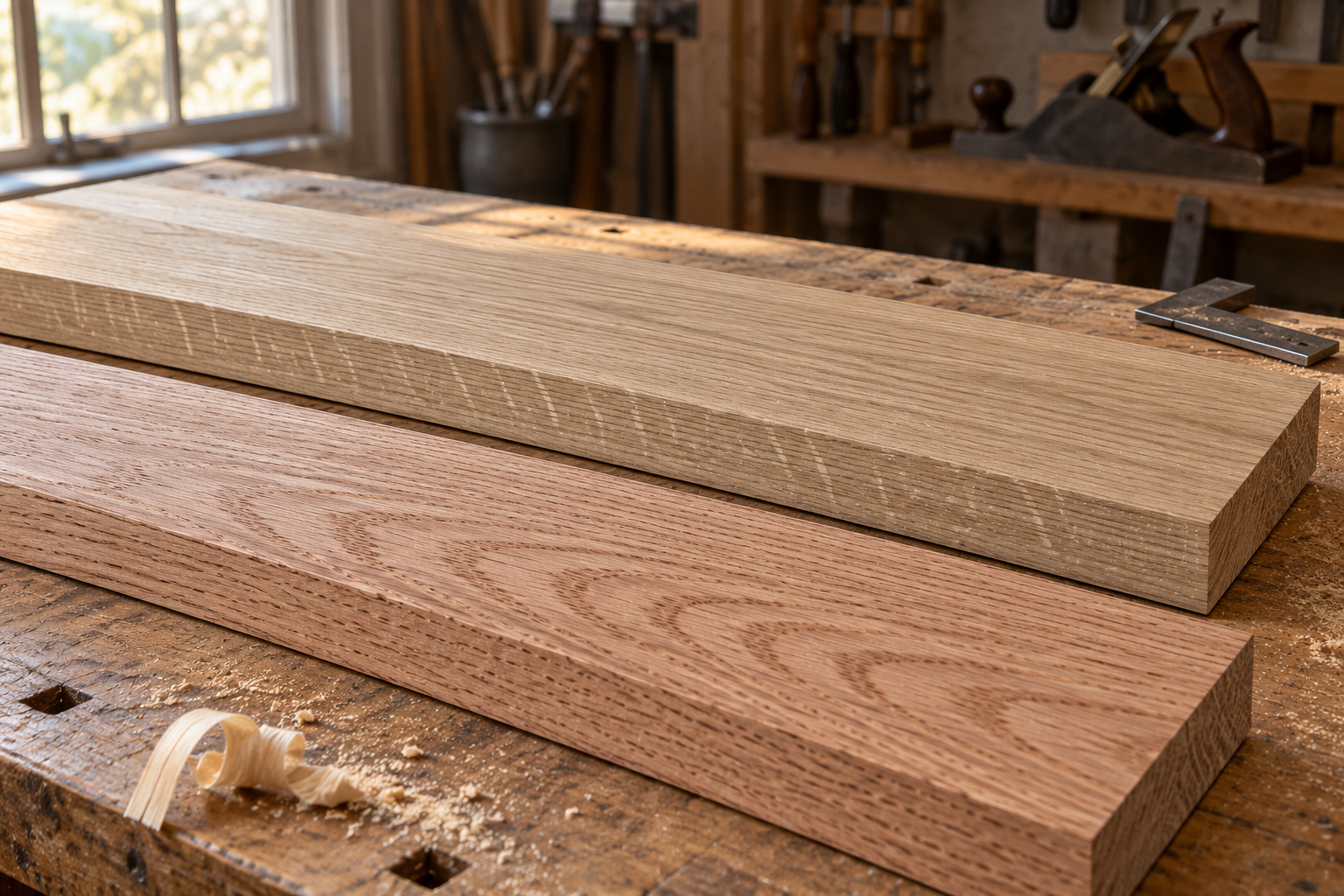
Product photographs are designed to sell the finish, not explain the construction. Expand the specifications panel and determine what each visible surface is made from. “Wood construction” could describe solid hardwood, softwood, plywood, medium-density fiberboard, or a mixture. Veneer is not inherently poor quality; a well-applied veneer over a stable substrate can perform better than low-grade solid wood that warps. The problem is ambiguity, especially when a premium-looking finish is paired with no meaningful material details.
For woven pieces, inspect close-up images for broken strands, uneven gaps, exposed staples, and rough edges. Natural variations are expected in rattan and seagrass, but structural joints should still appear deliberate. For drawers, look for information about glides, stops, and joinery. For chairs and stools, identify whether the legs are mechanically fastened, doweled, welded, or molded as part of the frame. Reviews mentioning repeated loosening, rocking, or cracked footrests deserve more attention than complaints about subjective color variation.
Upholstery requires another layer of comparison. Look for the frame material, suspension system, cushion fill, removable-cover details, and cleaning code. Ask the retailer for clarification if fire-retardancy or regulatory information is absent. Requirements differ by location and product type, so avoid assuming that a sofa is suitable simply because it is sold online. Shoppers concerned about added flame-retardant chemicals should request the manufacturer’s current disclosure rather than relying on an old review or an unverified marketplace answer.
Compare the Total Cost, Not Just the Sale Price
A lookalike is not a bargain if freight delivery, assembly, or return shipping erases the savings. Large furniture may arrive by parcel carrier, threshold delivery, room-of-choice delivery, or white-glove service. Threshold delivery can leave a heavy box at the first dry accessible area, which may be difficult for renters in walk-up buildings or anyone unable to move bulky furniture safely. Confirm the delivery level before checkout.
Return policies deserve equal attention. Some retailers deduct outbound freight, return freight, or restocking fees from the refund. Final-sale items, customized upholstery, and assembled furniture may not be returnable. Measure doors, stair turns, elevator openings, and hallways before ordering a sofa, bed, cabinet, or large mirror. Product width alone is not enough; diagonal depth, carton dimensions, removable legs, and packaging can determine whether an item reaches the intended room.
Consider longevity as part of cost. A less expensive lamp or <a href="/products/article-portima-c-side-table-walnut/" class="product-inline-link">side table</a> can be a sensible style purchase because it experiences modest stress and is easy to replace. A very cheap <a href="/products/article-svelti-dining-chair-aloe-green/" class="product-inline-link">dining chair</a> that loosens after repeated use is less convincing. Spend more on components that bear weight, move frequently, or are difficult to replace. Save on decorative surfaces, easily updated textiles, and objects that do not perform a structural job.
Safety Checks Before Bringing a Lookalike Home
Dressers, bookcases, cabinets, and tall shelving units can tip forward, especially when drawers are opened or a child attempts to climb them. Use appropriate anti-tip hardware and anchor eligible furniture to a suitable wall structure according to the manufacturer’s instructions. Do not assume a heavy cabinet is stable enough without anchoring. Renters should discuss permitted anchoring methods with the landlord, but a lease concern does not eliminate the physical risk. If the supplied hardware does not match the wall type, consult a qualified installer or hardware specialist.
Weight capacity matters for desks, shelves, benches, beds, stools, and wall-mounted objects. The advertised capacity should apply to the assembled product and intended load pattern, not just one isolated component. Distribute books and heavy décor rather than concentrating them on a single shelf. Do not mount a mirror, cabinet, or pendant using anchors selected only by appearance. Wall material, fastener type, fixture weight, and mounting-point spacing all affect the installation.
New furniture can also release noticeable odors from finishes, adhesives, foam, or packaging. Ventilate the room, remove packaging promptly, and follow the manufacturer’s care instructions. People who are sensitive to odors may prefer products with clearer low-emission information and should avoid placing strongly smelling new furniture immediately in a nursery or poorly ventilated bedroom. For households with children, consider rounded profiles or secure corner guards on sharp coffee tables and consoles. Corner protection is supplementary; it does not replace stable placement, supervision, or anchoring.
Style the Look Without Making the Room Feel Themed
The most convincing Serena & Lily-inspired rooms do not contain a matching set of pale woven furniture. They balance natural texture with simple forms and enough contrast to prevent the space from feeling like a showroom. Start with one dominant woven element, such as a headboard, pair of stools, or pendant. Add a quieter companion in painted wood, oak, linen, ceramic, or metal rather than repeating the same weave on every surface.
Color also works best in layers. White and natural tan can form the foundation, while blue, green, charcoal, or warm brown provides definition. Navy piping, a patterned pillow, or a ceramic lamp may be enough to reference coastal style without covering the room in anchors, shells, and nautical signs. A few darker elements—such as bronze hardware or a walnut <a href="/products/article-fiore-side-table-walnut/" class="product-inline-link">side table</a>—can make pale furniture look more intentional.
Scale is more important than brand similarity. A small lamp on a deep console will look underwhelming even if its glaze perfectly matches an expensive inspiration piece. A large woven pendant in a low-ceilinged room may interrupt sightlines. Use painter’s tape to mark furniture footprints and hang a paper template before ordering oversized lighting or mirrors. This simple preview helps determine whether the piece’s proportions support the room rather than merely resembling an online photograph.
Common Mistakes to Avoid
The first mistake is treating “dupe” as a synonym for identical quality. A lower-priced piece may be an excellent value, but visual resemblance says little about frame construction, finish durability, electrical safety, or comfort. Compare specifications line by line. If a retailer does not provide basic materials, dimensions, capacity, or return information, pause rather than filling the gaps with optimistic assumptions.
Another mistake is buying counterfeit goods or listings that misuse a brand’s name and photography. An inspired alternative should be sold under its actual manufacturer and represented with its own images. Avoid sellers claiming an item is an authentic branded product when the provenance, labeling, or price appears inconsistent. Beyond legal and ethical concerns, misleading listings make it difficult to assess warranties, replacement parts, and safety documentation.
Finally, do not force an attractive alternative into the wrong function. A decorative stool may not be rated for seating. A lightweight bookshelf may not be suitable for vinyl records or large art books. An indoor rattan chair may deteriorate on an exposed balcony, and a plug-in pendant should not be improvised into hardwired service. Use products only as described, follow assembly instructions, and stop if holes do not align, hardware strips, or structural parts appear damaged.
When Professional Help Is Worth the Cost
Professional assembly or installation is sensible when the item is unusually heavy, wall-mounted, suspended overhead, or difficult to stabilize. Large mirrors, hanging chairs, ceiling fixtures, tall cabinets, and complicated modular shelving can create serious hazards if installed incorrectly. Electrical work should be handled by a qualified electrician where local rules or the installation requires it. Do not experiment with household wiring simply to reduce the cost of a lookalike fixture.
A furniture repair specialist may also be worthwhile when a high-quality secondhand piece needs new cane, tightened joinery, or finish restoration. Vintage rattan and solid-wood furniture can offer better value than a new imitation, but only if the frame is sound and the repair cost is understood. Ask for an assessment before sanding, painting, or cutting original components. Some cosmetic flaws are easy to address; structural cracks and widespread weave failure can be labor-intensive.
For delivery, consider paid in-home placement when stairs, narrow passages, or heavy cartons create a lifting risk. The cost may be preferable to damaged walls, injured backs, or a sofa stranded in the lobby. If a new item arrives cracked, unstable, electrically damaged, or missing critical hardware, stop assembly, photograph the problem, and contact the retailer. Do not modify a defective structural component in a way that could void the return or conceal a safety issue.
Frequently Asked Questions
Are Serena and Lily knockoffs the same as counterfeit furniture?
No. In shopping language, “knockoff” is often used loosely to describe a less expensive item with a similar aesthetic. A legitimate lookalike is sold under its own maker’s name, uses its own product photography, and does not claim to be an authentic Serena & Lily product. Counterfeit goods falsely present themselves as the branded original. Focus on alternatives that share broad design features rather than unauthorized copies.
Where should I look for affordable Serena & Lily-style furniture?
Large home retailers, regional furniture stores, vintage marketplaces, outlet sections, and local resale platforms can all be useful. Search by material and silhouette rather than brand name. Local secondhand shopping is especially helpful for mirrors, ceramic lamps, solid-wood tables, and rattan pieces because you can inspect condition and avoid freight shipping. Always check for recalls, damage, missing hardware, and stability before using secondhand furniture.
Is natural rattan always better than synthetic wicker?
Not necessarily. Natural rattan offers warmth and variation that many shoppers prefer indoors, but it can be sensitive to prolonged moisture, direct weather, and very dry conditions. Synthetic wicker may be easier to maintain in covered outdoor or high-humidity spaces, provided the frame and weave are designed for that environment. Choose based on location, maintenance expectations, and construction rather than assuming one material is universally superior.
Which pieces are safest to buy cheaply?
Decorative objects with little structural responsibility—such as trays, vases, pillow covers, and some table lamps—often present lower financial risk, although electrical products still require appropriate certification. Be more selective with seating, beds, desks, shelving, dressers, and wall-mounted objects. These pieces bear weight or create tip-over and installation risks, so construction details matter more than superficial similarity.
Can I create the look without replacing my furniture?
Yes. A woven pendant, ceramic lamp, striped textile, natural-fiber rug, or pair of cane-front accent pieces can shift the room’s direction without a full furniture replacement. Painting an existing wall, changing hardware where compatible, or simplifying accessories may also help. Avoid unsafe structural modifications, and test finishes in an inconspicuous area before altering furniture you already own.