Hunting note
Start with the decision, then inspect the details.
A practical guide for homeowners and renters researching furniture purchases online on what is wabi sabi in home design, covering the best next steps, tradeoffs, and when to call a pro.
Wabi-sabi in home design is an approach that values impermanence, simplicity, natural materials, and the beauty of honest age. Instead of trying to make every surface flawless and every object match, a wabi-sabi room allows grain, patina, asymmetry, repair, and empty space to remain visible. The result can feel calm and grounded, but it should not look carelessly unfinished.
The idea is often reduced online to a neutral color palette or a rustic shopping trend. It is more useful to treat it as a way of choosing and living with objects: buy fewer things, notice how they are made, maintain them, and accept appropriate wear. You can apply that thinking in a rental or contemporary house without copying a historical Japanese interior.
Understanding Wabi-Sabi Without Turning It Into a Trend
The words are culturally and historically layered, and a brief decorating label cannot capture their full meaning. In a home context, wabi is often associated with modest simplicity and an appreciation for the unshowy, while sabi is associated with the character that develops through time and use. Together, they encourage attention to incomplete, changing, and restrained beauty.
That does not mean distressing new furniture to simulate age or displaying broken objects that are unsafe. A naturally faded wood surface, hand-thrown bowl, mended textile, or stone with varied color can express honest material character. The emphasis is less on creating a theatrical “look” and more on letting useful objects, time, and care shape the room.
Start With What You Already Own
Before shopping, remove visual noise and study the room in daylight. Identify pieces that are useful, comfortable, well proportioned, and worth maintaining. A scratched solid-wood table may need cleaning and a compatible protective finish rather than replacement. A plain cabinet may feel more intentional once crowded accessories are edited and cables are controlled.
This inventory prevents wabi-sabi from becoming another reason to consume. Keep items with meaningful use or pleasing material presence, donate serviceable excess responsibly, and repair only when the repair is structurally sound. Renters can focus on portable changes: linen curtains, a low-pile wool rug, handmade ceramics, warm lamps, baskets, and removable art.
Choose a Soft, Material-Led Palette
Wabi-sabi rooms commonly draw color from clay, wood, paper, stone, sand, weathered metal, and plants without requiring an all-beige scheme. Chalky white, mushroom, charcoal, muted green, rust, and indigo can coexist when saturation is controlled. Subtle variation matters more than exact matching, so upholstery and walls can sit within related tones without being identical.
Test paint and fabric samples in morning and evening light. A gray that looks calm in a bright showroom can turn cold in a north-facing room. If you rent, use large textiles and lamps to soften an unsuitable wall color rather than repainting without permission. Contrast should remain legible: a dark table against a lighter floor or a pale vessel on a charcoal shelf keeps restraint from becoming flatness.

Favor Natural Materials and Honest Construction
Wood, stone, linen, wool, cotton, clay, paper, and aged metals develop nuanced surfaces. Look for furniture with understandable joinery, replaceable parts, and finishes that can be maintained. Solid wood is not mandatory; good-quality veneer can use material efficiently and remain durable when edges and substrate are well constructed. The point is to choose honestly, not to enforce a luxury materials checklist.
When buying online, zoom in on edges, backs, legs, drawer joints, and hardware. Read dimensions and weight limits, request material details, and check whether “wood” means solid timber, veneer, or a printed finish. For storage, compare construction and anchoring provisions as carefully as style. A guide to the best bookshelf for a living room can help translate a quiet aesthetic into practical shelf depth and capacity.
Let Age and Repair Show—Safely
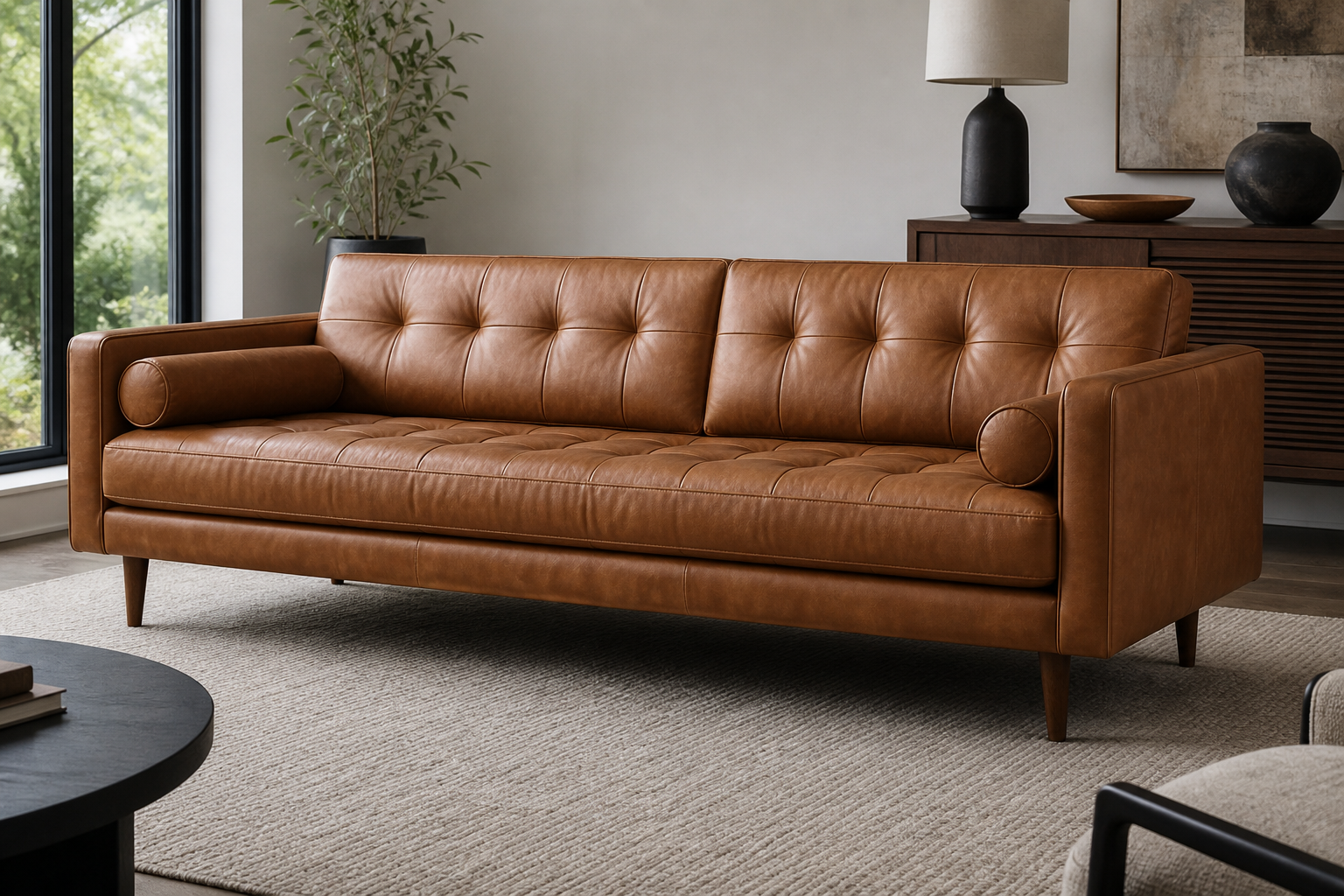
Patina is evidence of use: softened leather, rubbed wood edges, oxidized brass, and a visible ceramic repair can all add character. Damage is different. A cracked chair joint, unstable table leg, sharp ceramic edge, moldy textile, or frayed electrical cord is a hazard, not an aesthetic feature. Repair, repurpose, or retire the item as appropriate.
A good repair should restore function first. A woodworker can reglue failing joints; an upholsterer can inspect frames and replace degraded filling; a qualified lighting technician can rewire an old lamp. Decorative repair methods are suitable only when the repaired object’s intended use remains safe. Do not use a questionable adhesive on food-contact ware or a heat-sensitive patch on a vessel that will hold hot liquid.
Use Asymmetry and Empty Space Deliberately
Wabi-sabi composition often feels balanced without strict symmetry. A single branch-like sculptural object beside a low stack of books may be enough for a console. One larger artwork can have more presence than a grid of small pieces. Negative space gives the eye somewhere to rest and lets material texture become visible.
Asymmetry still needs visual stability. Balance a tall lamp with a lower, broader object; group items in varied heights; and leave clear walking routes. Empty space should support movement rather than create an impractical room with nowhere to put a cup. Use trays, drawers, or baskets to manage everyday necessities instead of pretending daily life leaves no objects behind.
Buy Furniture for Use, Scale, and Longevity
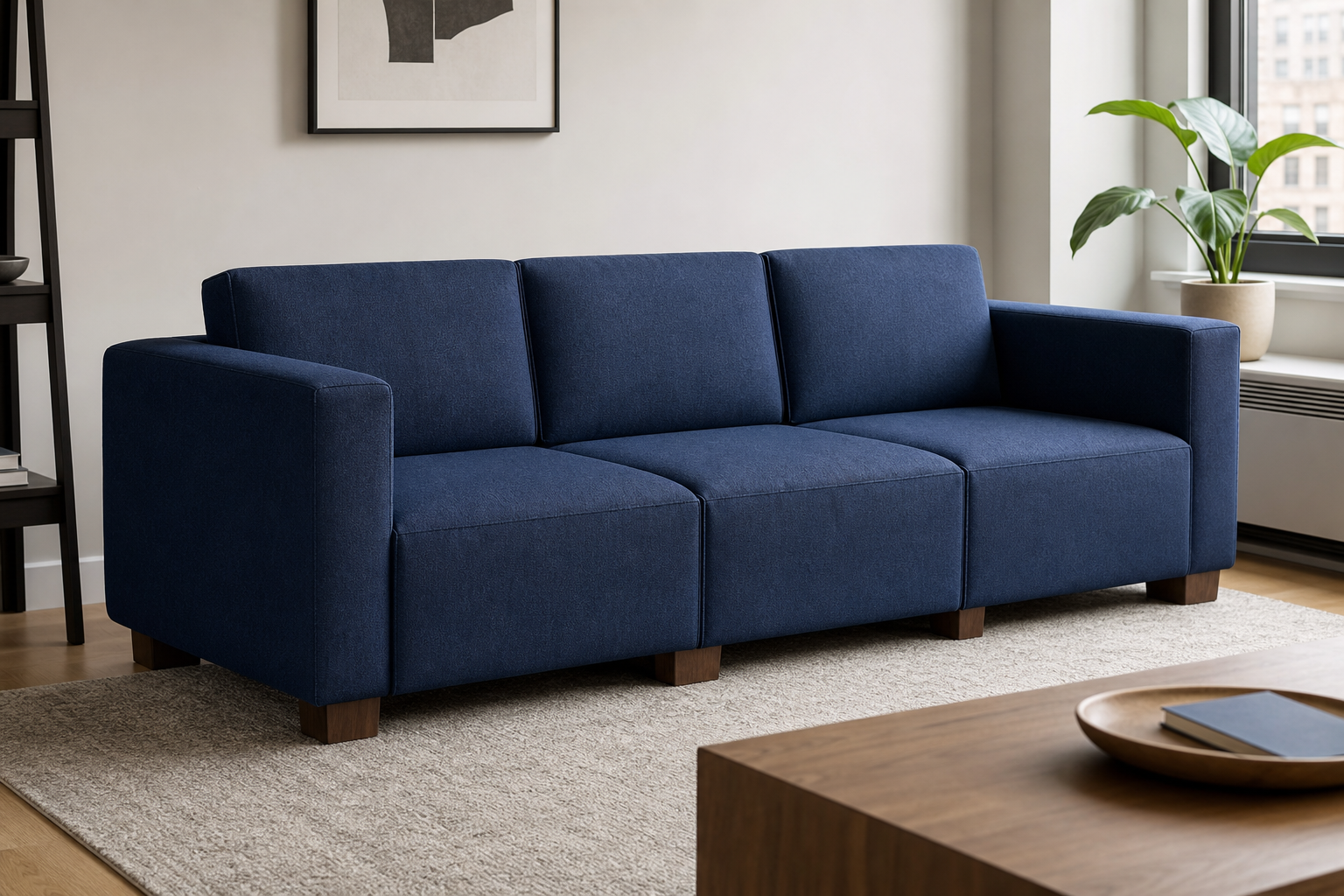
A restrained room can fail if its furniture is uncomfortable or undersized. Measure the room, doors, stairs, and elevators before ordering. Mark the footprint with painter’s tape, then check circulation and clearances. Read seat height, seat depth, cushion fill, fabric composition, assembly method, return fees, and warranty details rather than choosing from a styled photograph alone.
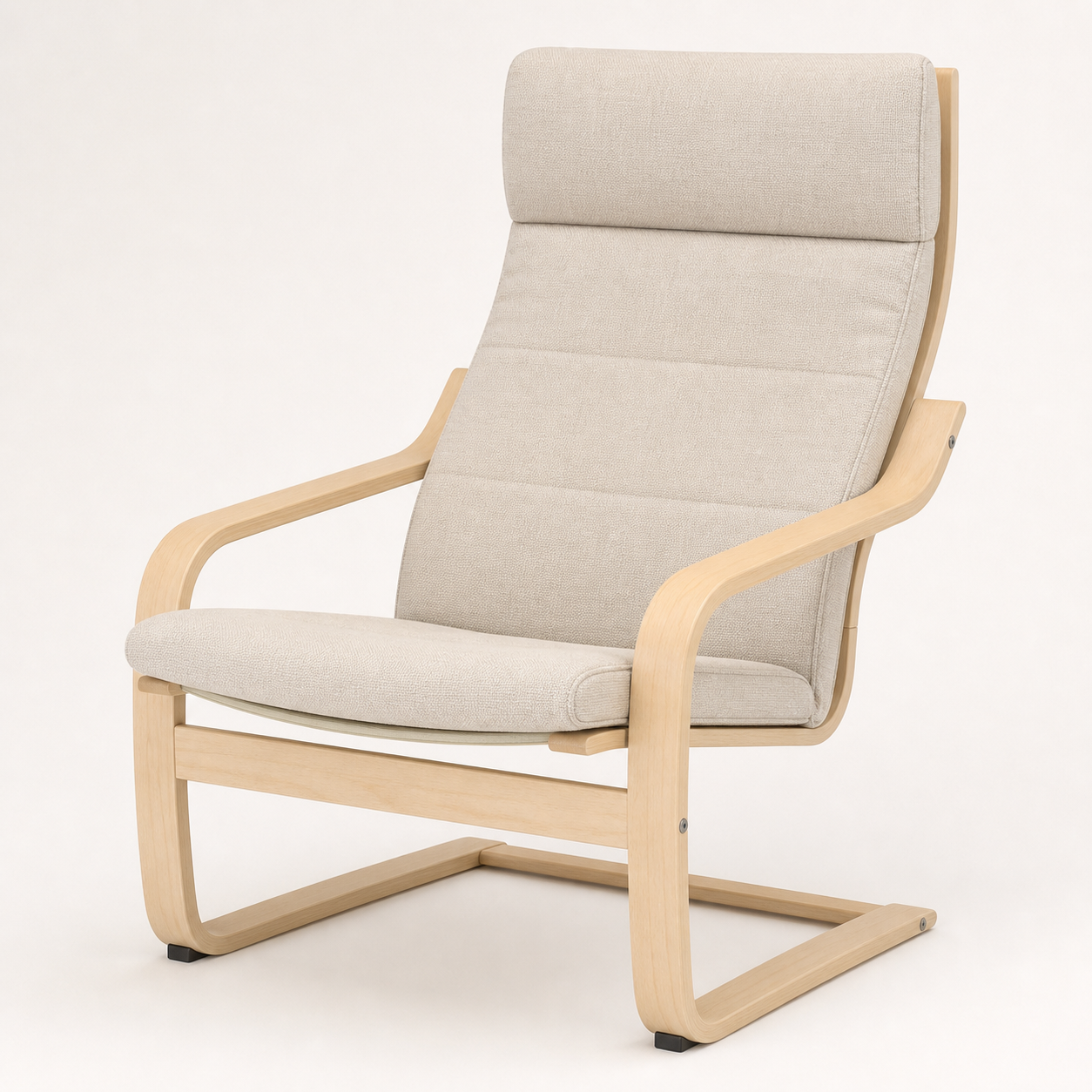
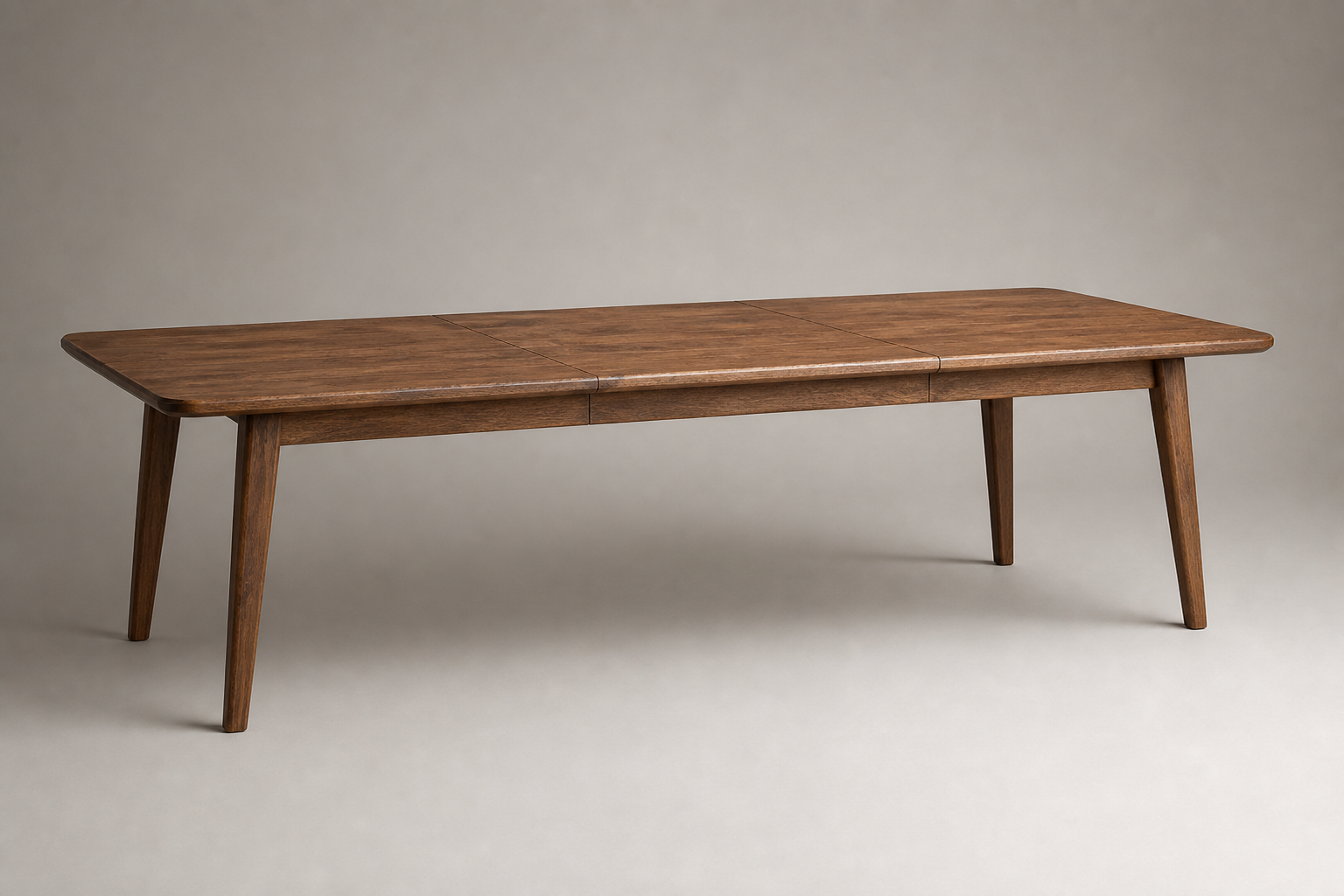
Prioritize the pieces you touch daily. A <a href="/products/article-seno-71-dining-table-walnut/" class="product-inline-link">dining table</a> should suit the room and household, not merely photograph well; the best <a href="/products/article-conan-75-oval-dining-table-walnut/" class="product-inline-link">dining table</a> for six people needs adequate seating clearance and a stable base. A chair should support its actual user. A shelf should carry its intended load. Fewer well-chosen pieces feel more convincingly wabi-sabi than a collection of decorative objects purchased at once.

Build Texture Through Textiles and Light
Texture brings warmth to a reduced palette. Combine a washed linen curtain, tightly woven wool rug, cotton throw, and matte ceramic surface, but avoid making every item rough. A smooth tabletop is easier to clean, and a supportive upholstered seat can coexist with rustic accents. Variation should be tactile and practical rather than uncomfortable.
Lighting should reveal surfaces gently. Use multiple sources—ambient ceiling light, shaded floor or table lamps, and focused task lighting—rather than one harsh fixture. Check bulb compatibility, heat clearances, and cord condition. Paper and fabric shades must be designed for the fixture and kept away from excessive heat. Vintage lamps should be inspected and rewired when their electrical condition is uncertain.
Room-by-Room Ways to Apply the Idea
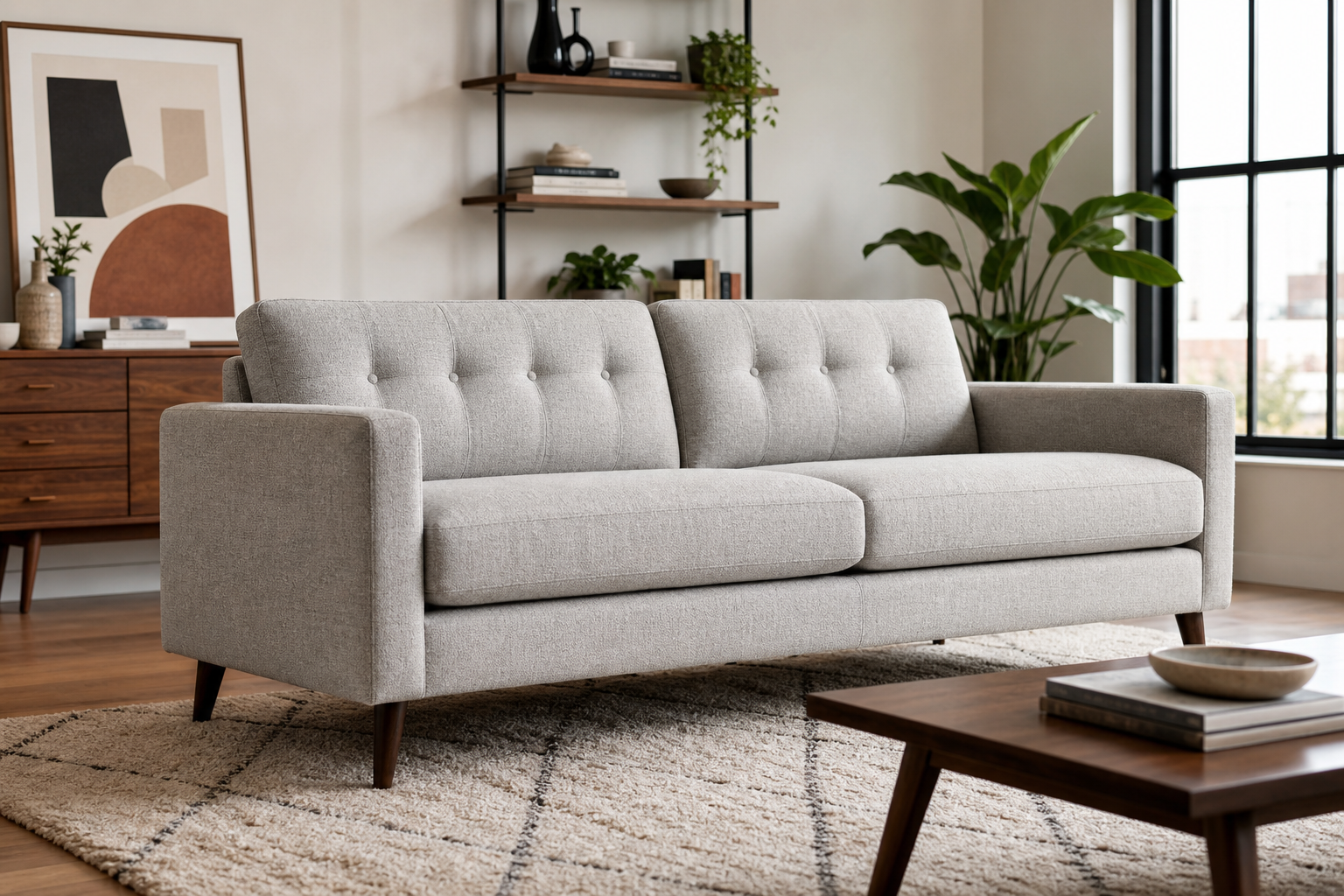
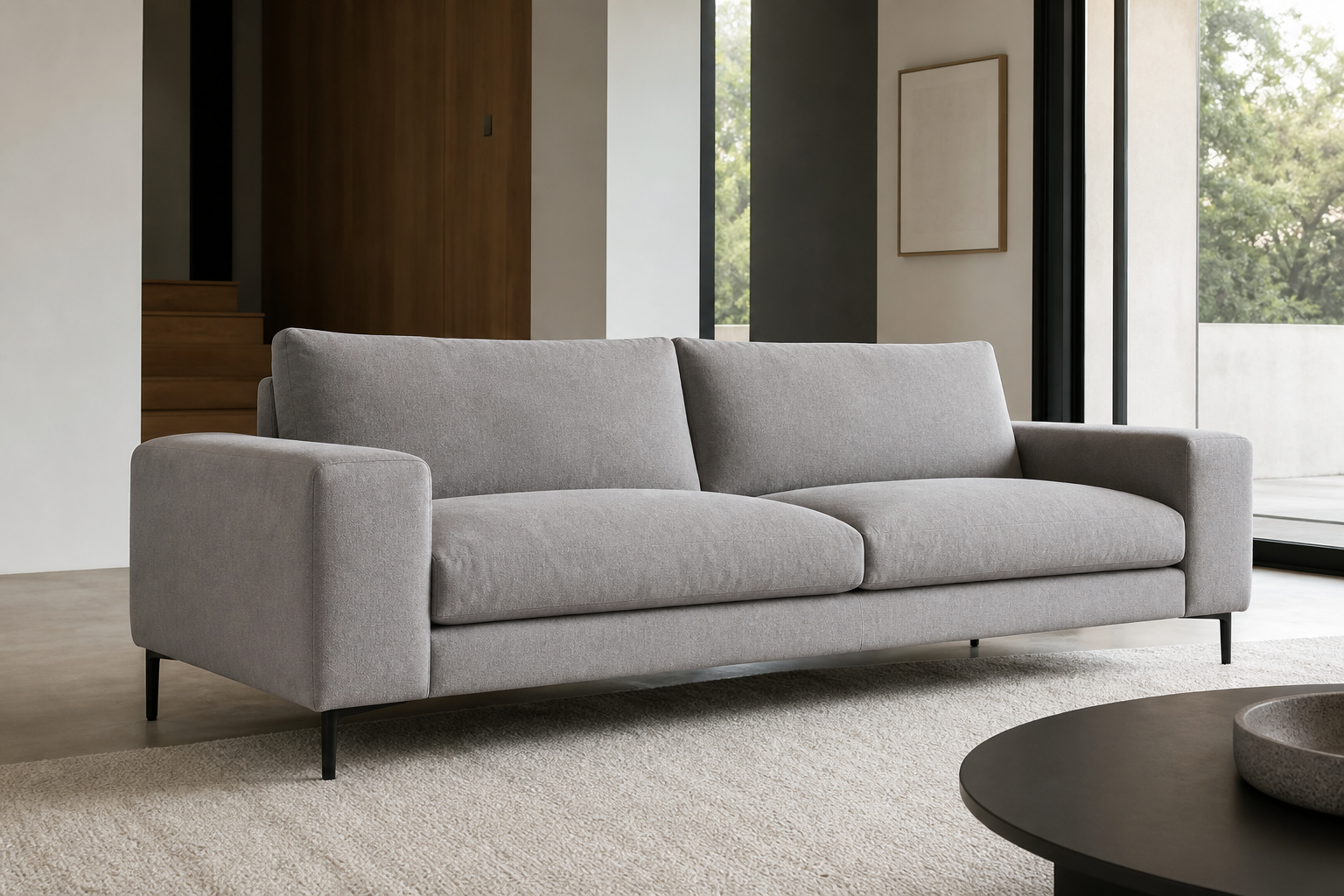
In a living room, begin with comfortable seating, a durable rug, and one useful table, then add only a few objects with distinct material character. In a bedroom, reduce visible clutter, choose breathable bedding, and use closed storage where possible. A home office can pair a simple wood surface with an adjustable task chair; wabi-sabi is not a reason to sacrifice ergonomics. The best ergonomic desk chair for a home office may look technical, but neutral upholstery and thoughtful placement can help it belong.
In kitchens, display only frequently used, attractive tools and keep food-contact surfaces clean and intact. In bathrooms, moisture resistance and ventilation take priority over raw texture. Untreated wood, porous clay, and natural fiber baskets need suitable placement. An object that ages beautifully in a dry room may warp, stain, or grow mold in a humid one.
Safety Checks for Furniture and Found Objects
Wabi-sabi interiors often include vintage, handmade, or secondhand pieces, so inspect them closely. Test chairs and tables for movement, check drawers for stops, and examine upholstered items for odors, stains, pests, degraded foam, and missing fire-safety labels where relevant. Let new furniture air out in a ventilated space according to manufacturer guidance if odors or VOC concerns arise.
Anchor tall or top-heavy dressers and bookshelves using the manufacturer’s hardware and wall-appropriate fasteners, especially in homes with children or in earthquake-prone areas. Observe shelf weight limits and distribute heavy objects low. Round or guard sharp corners where needed. Do not place unstable pottery overhead, and keep candles or hot lamps away from paper, dried material, and textiles.
Common Wabi-Sabi Decorating Mistakes
The first mistake is confusing wabi-sabi with neglect. Dust, water damage, loose joints, unsafe wiring, and stained upholstery do not become desirable through philosophical framing. The second is buying mass-produced “imperfect” objects in bulk. A room assembled from an instant themed collection often feels less personal than one built slowly from useful items.
Another mistake is erasing all color and comfort. Wabi-sabi can include deep pigments, softness, and modern technology. Conceal cables neatly, but do not remove necessary task lights or supportive furniture. Finally, avoid treating Japanese culture as a collection of visual props. You do not need symbolic calligraphy, ceremonial objects, or imitation antiques to appreciate simplicity, material honesty, and age.
A Wabi-Sabi Buying Checklist
Use this quick reference before adding furniture or decor:
| Question | Why it matters |
|---|---|
| Will I use this regularly? | Utility prevents decorative clutter |
| Are the materials accurately described? | Honest construction supports informed care |
| Can it be repaired or maintained? | Longevity matters more than simulated age |
| Does it fit the room and route inside? | Scale and access prevent costly returns |
| Is it stable and appropriately rated? | Safety outranks appearance |
| Does it add a new texture or function? | Each object should earn its visual space |
| Would I still want it without the trend label? | Personal relevance creates a lasting room |
Wait before completing a room. Live with the first few changes, notice where clutter accumulates and where light falls, then adjust. A slow process is especially appropriate here because natural wear and daily routines are part of the result.
Frequently Asked Questions
Is wabi-sabi the same as minimalism?
They overlap in restraint, but they are not identical. Minimalism may emphasize reduction and clean systems, while wabi-sabi places particular value on impermanence, irregularity, natural variation, and age. A wabi-sabi room can be spare without looking clinically perfect.
Can wabi-sabi work in a modern apartment?
Yes. Keep modern architecture and introduce material warmth through textiles, wood, ceramics, artwork, and layered lighting. Portable pieces make the approach renter-friendly without forcing faux-historical details.
Does all the furniture need to be vintage?
No. New, well-made furniture can sit beside older objects. Choose pieces with durable construction, repairable components, and finishes that can age honestly rather than distressing new furniture artificially.
How do I keep the style from looking unfinished?
Prioritize proportion, cleanliness, functional storage, and a limited material palette. Leave space intentionally, repeat a few colors, and ensure every visibly worn object remains safe and useful.
Is damaged furniture acceptable in a wabi-sabi room?
Only cosmetic wear that does not compromise health or function should be celebrated. Structural cracks, instability, sharp edges, pests, mold, and damaged electrical parts require proper repair or removal.
Wabi-sabi home design is most convincing when it changes how you evaluate objects, not merely how you style them. Keep what serves you, choose additions slowly, maintain materials with care, and allow safe signs of use to remain. The room will feel personal because it reflects time and attention rather than a flawless showroom formula.