Hunting note
Start with the decision, then inspect the details.
A practical guide for homeowners and renters researching furniture purchases online on how to create an eclectic living room, covering the best next steps, tradeoffs, and when to call a pro.
An eclectic living room works when different periods, colors, materials, and influences share a visible logic. The goal is not to buy a matching suite or fill the room with unrelated statement pieces. It is to establish a calm foundation, repeat a few visual cues, and let carefully chosen contrasts give the room personality.
Start with how the space must function, then build around one anchor piece you genuinely like. Limit the palette, vary the silhouettes, and distribute visual weight around the room. Eclectic style is forgiving, but it is not random: every object should earn its place through usefulness, meaning, color, shape, or texture.
Begin With the Room's Real Job
List the activities the room must support before shopping. A household that watches films needs comfortable viewing positions and light control; a frequent host needs flexible seats and clear circulation; a renter who works in the living room may need a compact desk that does not dominate the seating zone. Measure doors, windows, radiators, outlets, and the path between adjoining rooms, then draw a simple plan.
Keep primary walkways roughly 30 to 36 inches wide where space permits, and avoid layouts that force people through the center of a conversation group. Decide where drinks, books, remotes, and task lamps will go. Function creates the structure that allows varied style to look intentional. A beautiful vintage chair that blocks a door or a sculptural table that cannot support a cup will soon feel like clutter rather than character.
Choose One Anchor, Not Ten Competitors
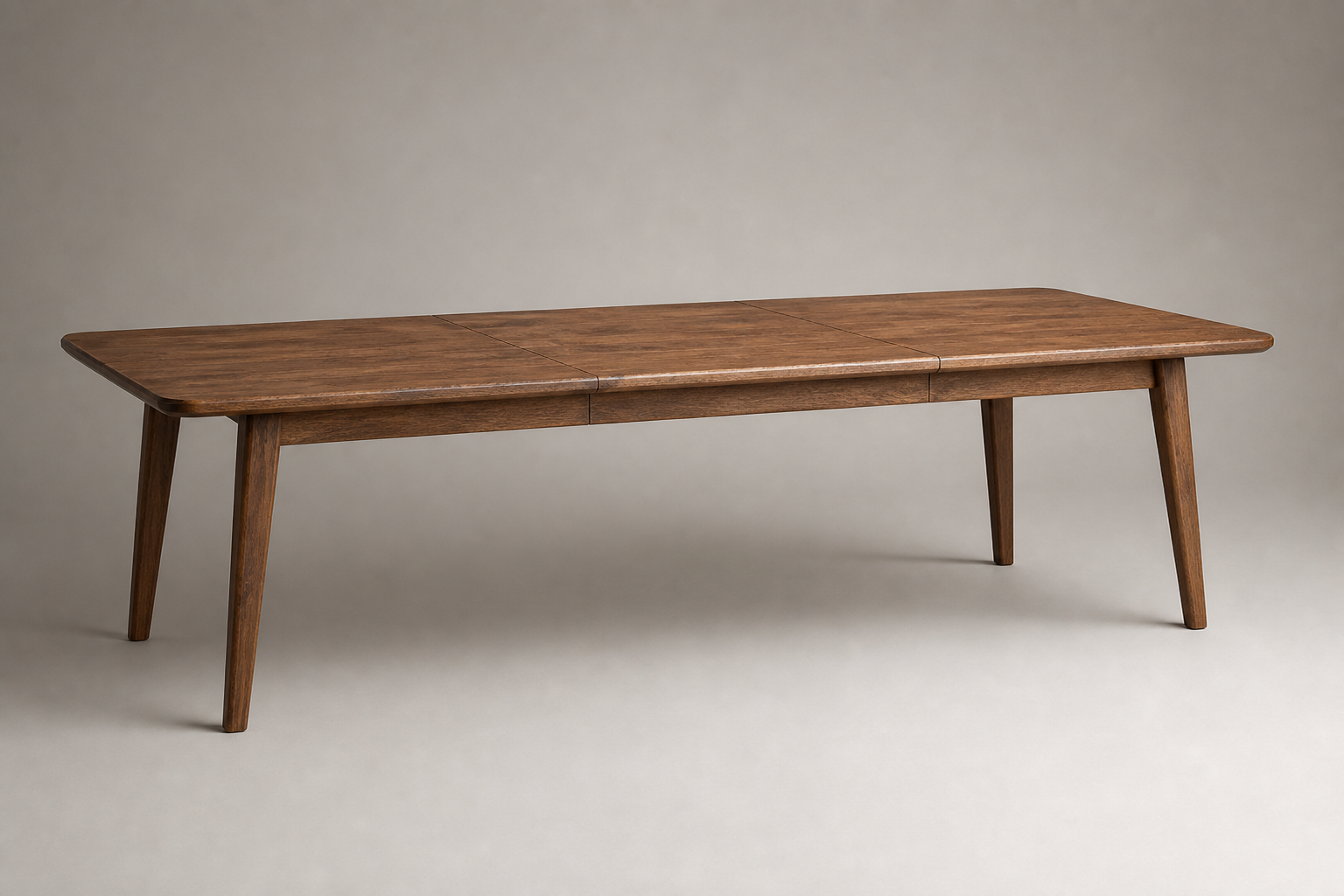
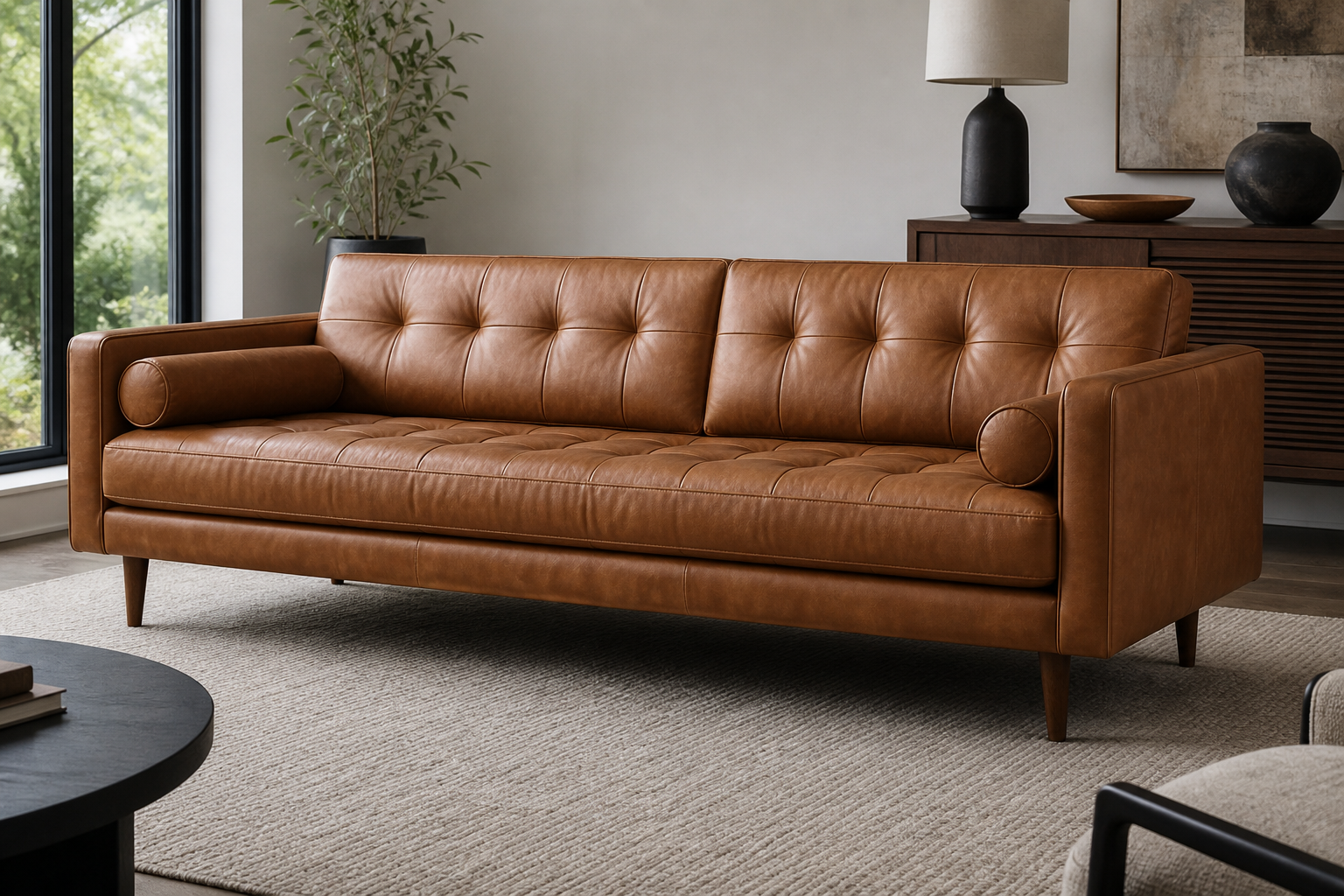
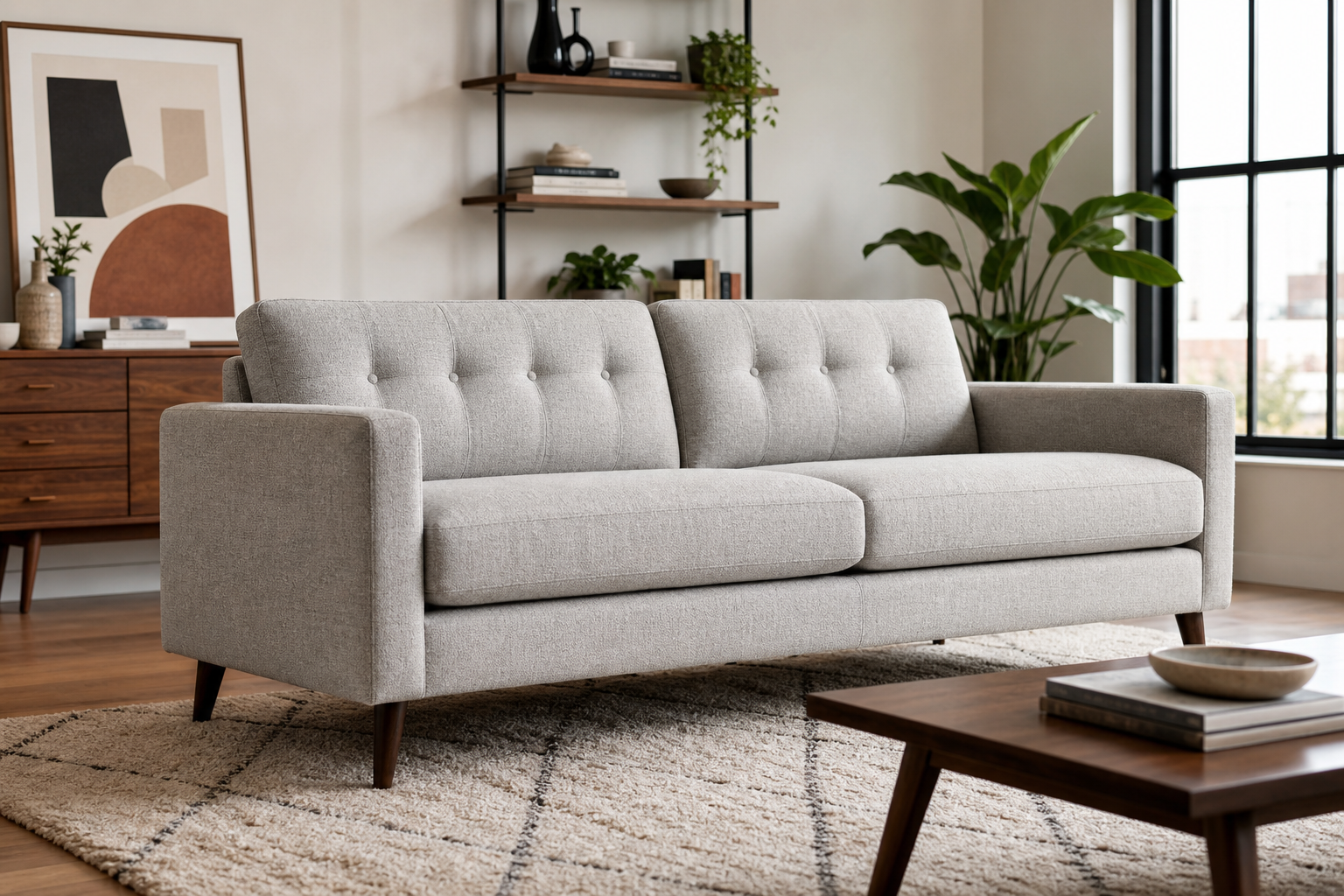
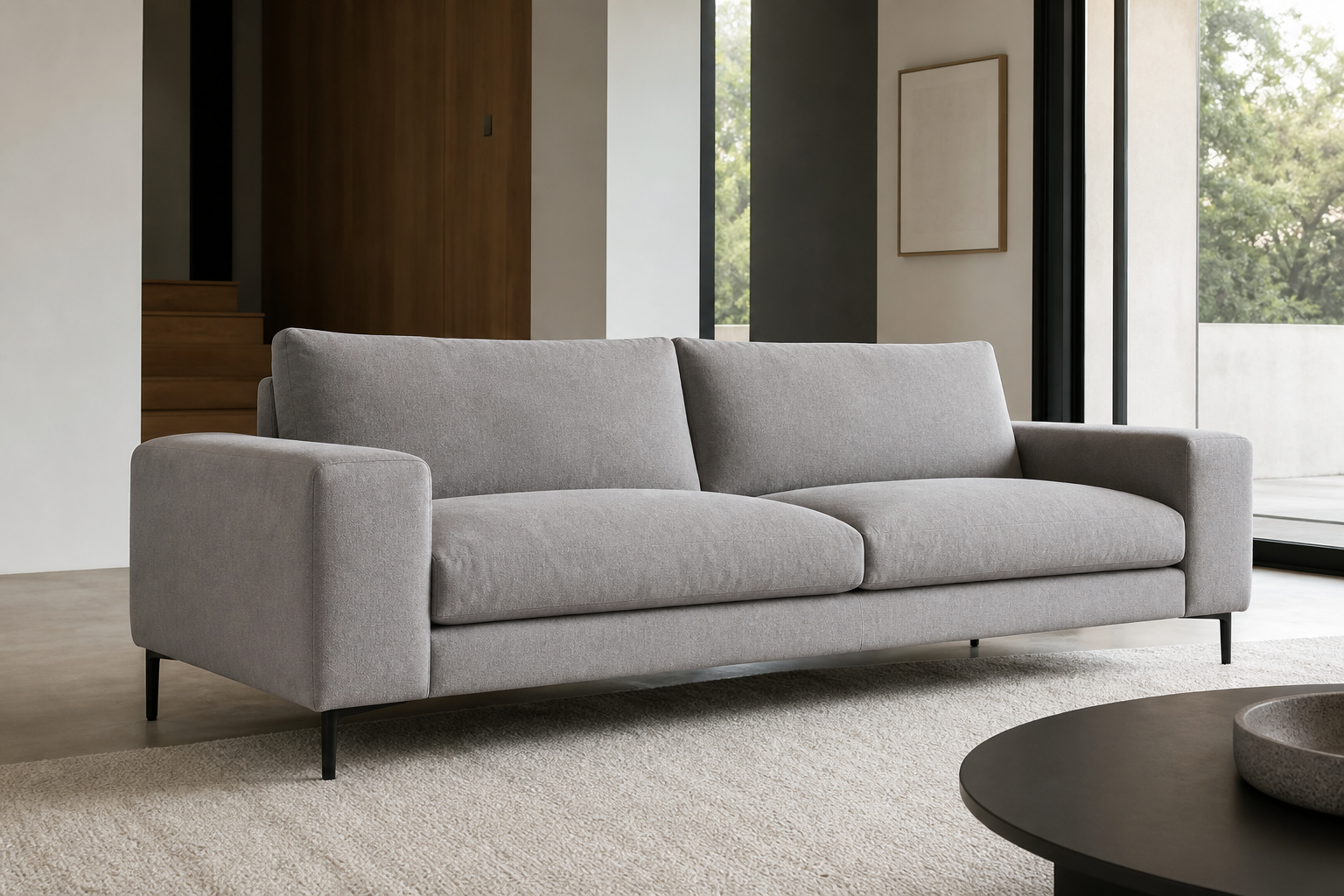
An anchor can be a sofa, rug, large artwork, bookcase, or distinctive <a href="/products/article-amoeba-42-5-coffee-table-walnut/" class="product-inline-link">coffee table</a>. It should establish at least two decisions for the rest of the room: perhaps color and mood, or material and scale. A faded geometric rug might suggest rust, indigo, and cream while allowing both a streamlined sofa and a carved <a href="/products/article-portima-c-side-table-walnut/" class="product-inline-link">side table</a>. A modern sectional could instead be the quiet base for older lamps and collected art.
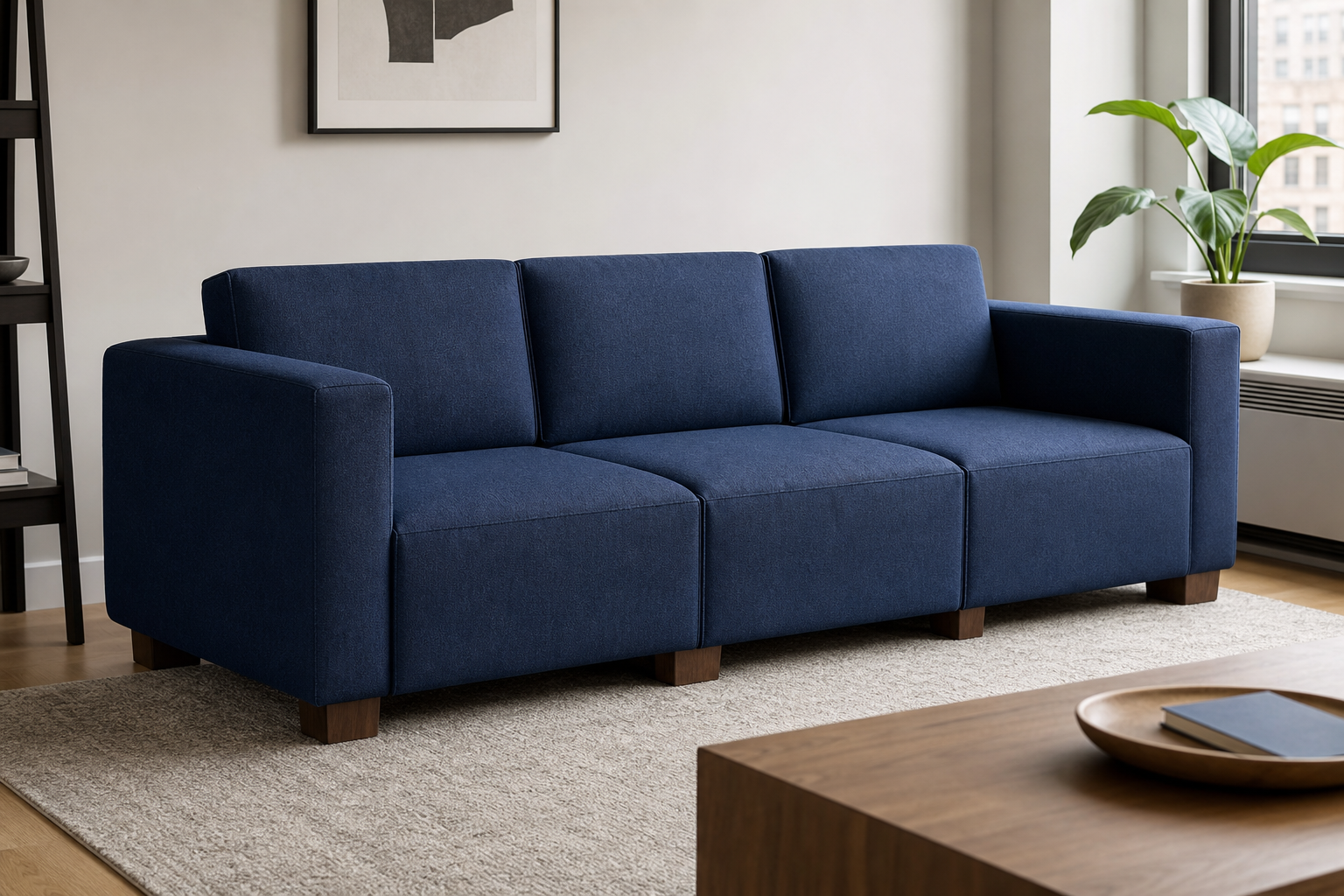
Do not require the anchor to be the most expensive item. It needs to be visually and functionally important. Once selected, repeat one of its traits two or three times elsewhere. Echo a curved sofa arm in a round mirror and globe lamp, or repeat a rug's dark blue in a cushion and ceramic vessel. Repetition turns difference into a composition.

Build a Controlled Color Palette
A useful starting formula is one dominant neutral or softened color, two supporting hues, and a small accent. This is a guide rather than a rigid percentage rule. Warm white walls, cognac leather, muted green, and touches of oxblood can hold together furniture from several eras. In a darker room, deep blue walls might become the dominant field while pale upholstery and brass provide relief.
Compare samples in the actual room throughout the day. Online images and product renders can shift undertones, and a beige that looks calm on screen may turn pink or gray beside your flooring. Repeat each important color in at least two locations, but vary the material: olive in velvet, a painted frame, and a glazed pot feels richer than three identical olive cushions. Leave some visual quiet so saturated items remain legible.
Mix Periods Through Shared Details
Pairing old and new is easier when pieces share a bridge. A mid-century cabinet and a Victorian-inspired chair may both have warm walnut tones. A contemporary metal <a href="/products/ikea-lack-coffee-table-black-brown/" class="product-inline-link">coffee table</a> can relate to an antique lamp through a repeated aged-brass finish. Look for compatible geometry, leg shape, color temperature, or level of ornament rather than matching labels.
Use contrast deliberately. If every piece is ornate, the room can feel heavy; if every silhouette is minimal, a single carved object may look stranded. Try a ratio such as two quieter pieces supporting one expressive piece in each zone. Avoid counterfeit “aged” finishes that fight with authentic wear. Natural variation and repair can add depth, but loose joints, lead paint, unstable glass, or damaged wiring need professional attention before use.
Balance Scale and Visual Weight
Furniture dimensions matter more than style categories. A deep, low sofa paired with a tiny side chair will make the chair look accidental and may create uncomfortable conversation heights. Compare seat heights, arm heights, table heights, and overall mass. Coffee tables commonly work best near the sofa seat height or slightly lower, with enough clearance to move around them without bruised shins.
Visual weight also comes from color and texture. A black cabinet appears heavier than a pale open shelf of the same dimensions. Balance it across the room with a dark <a href="/products/muuto-leaf-floor-lamp-black/" class="product-inline-link">floor lamp</a>, substantial artwork, or another grounded element rather than placing all heavy pieces on one wall. In a small room, furniture with visible legs and a few closed-storage pieces often feels calmer than an entire perimeter of open shelving.
Layer Texture Without Creating Clutter
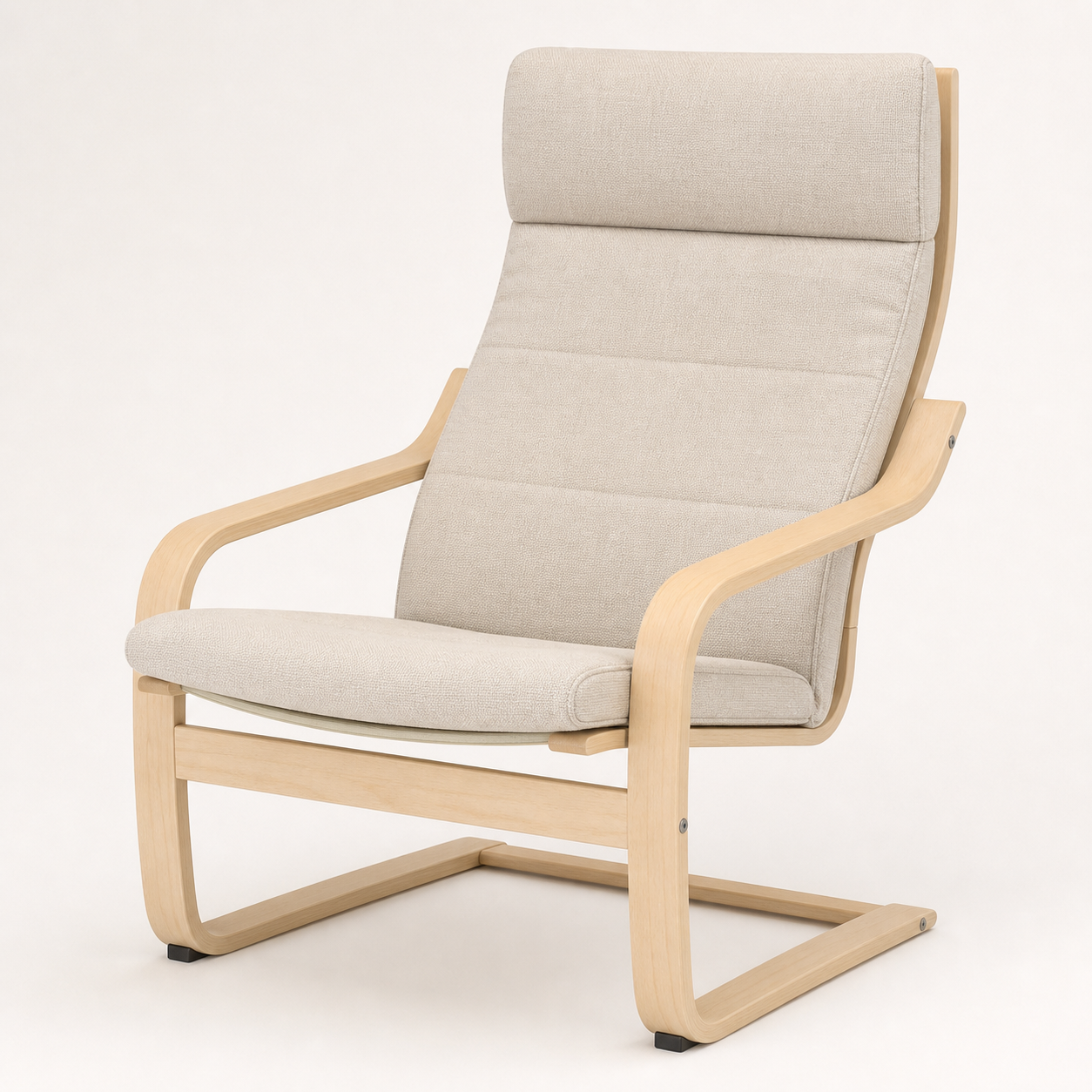
Texture gives an eclectic room depth even when the palette is restrained. Combine broad categories: smooth glass, nubby upholstery, woven fiber, matte ceramic, polished or aged metal, and natural wood. Keep adjacent surfaces distinct enough to read. A boucle chair on a deep-pile cream rug may blur into one fuzzy mass, while the same chair against flat-woven wool gains definition. If that texture appeals, compare construction and dimensions while reviewing an affordable boucle chair.
Soft goods are the easiest layer to change, so use them for seasonal shifts and bolder experiments. Mix cushion sizes and fabrics, but repeat a color or motif. Choose window treatments that support the room rather than competing with every artwork. For households with children, prioritize washable covers, secured cords, stable tables, and rounded edges. Confirm fire-safety labeling and care requirements for upholstered furniture instead of assuming all textiles perform alike.
Make Art and Objects Part of the Structure
Plan a gallery wall on the floor with paper templates before making holes. Variety can come from frame color, medium, or scale, but keeping one factor consistent prevents disorder. Aligning a few outer edges or maintaining regular gaps gives a mixed collection boundaries. One oversized work can also provide relief from a wall of smaller pieces.
Edit display surfaces rather than filling them. Group objects in varied heights with open space around them, and rotate collections instead of showing everything at once. A bookcase should remain functional and stable; heavier items belong low, and tall shelving should be anchored into appropriate wall structure according to the manufacturer's instructions. If storage is central to the plan, assess depth, shelf capacity, anchoring hardware, and cable management when choosing the best bookshelf for a living room.

Use Lighting to Connect the Mix
A single ceiling fixture flattens an eclectic room. Layer ambient, task, and accent lighting: a dimmable overhead source for general illumination, a floor or <a href="/products/ikea-nymane-table-lamp-white/" class="product-inline-link">table lamp</a> beside each reading seat, and a picture light or directional lamp for art or shelves. Lamps do not need to match, but they should relate through finish, shade shape, color, or period.
Check bulb color temperature and brightness so the room does not look fragmented after dark. Mixing a very cool lamp with several warm lamps can make finishes appear inconsistent. Keep cords out of walkways, respect fixture wattage limits, and replace brittle vintage wiring through a qualified lamp repair service. Renters can use plug-in sconces and cord covers rather than unsafe improvised wiring.
Quick-Reference Eclectic Room Checklist
| Decision | A useful approach | Warning sign |
|---|---|---|
| Function | Plan seating, storage, lighting, and circulation first | A focal piece blocks a route or door |
| Palette | Repeat one dominant and two supporting colors | Every object introduces a new color |
| Period mix | Bridge eras with wood tone, shape, or finish | Pieces share no visible relationship |
| Scale | Compare dimensions and seat/table heights | One item dwarfs everything nearby |
| Pattern | Vary pattern scale while repeating colors | Several high-contrast motifs compete equally |
| Display | Group, edit, and leave negative space | Every surface and shelf is full |
| Safety | Anchor tall furniture; confirm load limits | Wobble, overloaded shelves, exposed cords |
Take a photograph from each doorway after arranging the room. A photo reduces the tendency to focus on individual favorites and makes imbalance easier to spot. If one corner looks dense, remove or relocate an item before buying something to “fix” it. Eclectic interiors often improve through subtraction, spacing, and better lighting rather than another decorative purchase.
Shop Slowly and Compare Construction
Build the room in phases: essential seating and surfaces first, lighting second, then textiles, art, and objects. Use painter's tape to mark furniture footprints before ordering. Check delivery paths and return terms, especially for large online purchases. Read dimensions rather than relying on styled photographs, and request material samples when available. “Wood” may mean solid timber, veneer, engineered board, or a combination, each with different weight and repairability.
Secondhand shopping can add genuine variety, but inspect frames, joints, drawers, odors, pests, upholstery condition, and electrical components. Budget for cleaning, rewiring, refinishing, or new cushions. Avoid buying a damaged item merely because it is old. Mix investment pieces with modest finds according to use: spend where comfort, daily wear, and structure matter, then experiment with trays, lampshades, and art that can move between rooms.
Common Mistakes That Make Eclectic Look Random
The first mistake is treating “eclectic” as permission to ignore editing. Too many focal points compete, while too many small objects create visual noise. The second is buying coordinated “eclectic” sets, which removes the collected quality. The third is forcing every trend—arched forms, checkerboards, boucle, chrome, rattan—into one room without regard to architecture or use.
Another mistake is sacrificing comfort for an unusual silhouette. Verify seat depth, cushion support, fabric durability, and table stability. Avoid floating rugs that are too small to connect the seating group; ideally, at least the front legs of primary seating should sit on the rug. Do not overlook safety: anchor top-heavy cabinets, observe shelf load limits, keep candles away from textiles, and childproof sharp or unstable pieces where needed.
When Professional Help Is Worth It
An interior designer can be useful when the room has difficult proportions, several competing functions, expensive purchase decisions, or a collection that needs coherent placement. A color consultant may prevent costly repainting in rooms with unusual light. An electrician should handle new circuits, ceiling fixtures, or wall wiring, and a qualified installer should mount heavy art, mirrors, and shelving when wall construction or weight is uncertain.
Professional help does not mean surrendering personality. Prepare a list of must-keep pieces, measurements, photographs, budget, practical needs, and examples of rooms you like. Ask for a layout or sourcing plan that explains relationships rather than prescribing a matched package. The best result should look like your belongings became more articulate, not like a showroom replaced them.
Frequently Asked Questions
How many styles can I mix in one living room?
There is no fixed maximum, but two or three recognizable influences are easier to control. Additional pieces can fit if they repeat the established palette, shape, or material. Count visual relationships rather than style labels.
Can an eclectic room still be neutral?
Yes. Difference can come from silhouette, period, grain, weave, and finish instead of bright color. A room in cream, brown, black, and aged brass can feel richly eclectic when its textures and forms vary.
How do I make mismatched furniture look intentional?
Repeat a few cues across the room, balance scale, and connect seating with a correctly sized rug. Similar cushion colors, wood undertones, or metal finishes can bridge pieces without making them match.
Is eclectic style suitable for a small living room?
Yes, but editing matters. Choose appropriately scaled furniture, preserve clear routes, combine open and closed storage, and limit tiny decorative items. One strong artwork often works better than many competing accents.
What should I buy first?
Start with the piece that is hardest to replace and most important to daily use, usually the sofa or rug. Confirm its dimensions and comfort, then let its color, form, and mood guide lighting, tables, and smaller layers.