Hunting note
Start with the decision, then inspect the details.
A practical guide for homeowners and renters researching furniture purchases online on first apartment furniture checklist, covering the best next steps, tradeoffs, and when to call a pro.
Moving into your first apartment is an exciting milestone, but it can also feel overwhelming—especially when it comes to furnishing your new space. Whether you’re a renter or a first-time homeowner, knowing what furniture to prioritize and how to shop smartly can save you time, money, and frustration. This practical guide to your first apartment furniture checklist breaks down the essentials, helps you avoid common pitfalls, and guides you on when to call in professional help.
Why a Thoughtful First Apartment Furniture Checklist Matters
Starting from scratch means you have the unique opportunity to shape your living space to suit your lifestyle and tastes. However, it also means you must make strategic choices about what to buy first, what to invest in, and what to skip or postpone. Furniture isn’t just about aesthetics—it affects your comfort, safety, and even your budget. For example, choosing a sturdy <a href="/products/floyd-bed-frame-full-queen-birch-black/" class="product-inline-link">bed frame</a> with the right weight capacity can prevent accidents, while opting for non-toxic, low-VOC materials can improve indoor air quality.
A well-planned furniture checklist helps you avoid impulse buys that clutter your apartment or fail to serve your needs. It also ensures you don’t overlook safety essentials like anchoring tall bookshelves to prevent tip-overs or selecting child-safe furniture if you have kids or pets. Ultimately, this approach helps you create a home that’s functional, safe, and welcoming from day one.
What to Check First: Planning Your Space and Needs
Before you start clicking “Add to Cart,” take some time to assess your apartment and lifestyle:
Measure Every Room and Doorway
One of the most common mistakes is buying furniture that doesn’t fit through your apartment door or into your rooms. Measure your floor plan carefully, including wall lengths, ceiling height, and available floor space. Don’t forget to measure doorways, stairwells, and elevators to ensure your furniture can be delivered and set up without damage or extra fees.
Identify Your Must-Have Functions
Are you working from home? Do you entertain often? Is your apartment mostly a place to sleep and relax? Your furniture choices should reflect these priorities. For example, a compact desk with storage might be essential if you work remotely, while a sofa bed could be a smart choice if you host overnight guests on occasion.
Check Building Rules and Restrictions
Some apartment buildings have restrictions on what furniture you can bring in or how you can modify your space (e.g., no drilling into walls). Confirm these rules upfront to avoid surprises. Also, consider your building’s elevator size and delivery policies, as these will affect your purchasing options.
Best Options and Steps for Furnishing Your First Apartment
Once you have a clear understanding of your space and needs, you can follow these practical steps to build your furniture collection efficiently.
1. Prioritize Essentials: Bed, Seating, and Table
Start with the basics that impact your daily comfort:
- Bed: Invest in a quality mattress and a sturdy frame with proper support and weight capacity. If you’re on a budget, consider buying a mattress online with a trial period. Avoid frames that are too flimsy or cheaply made, as these can be safety hazards.
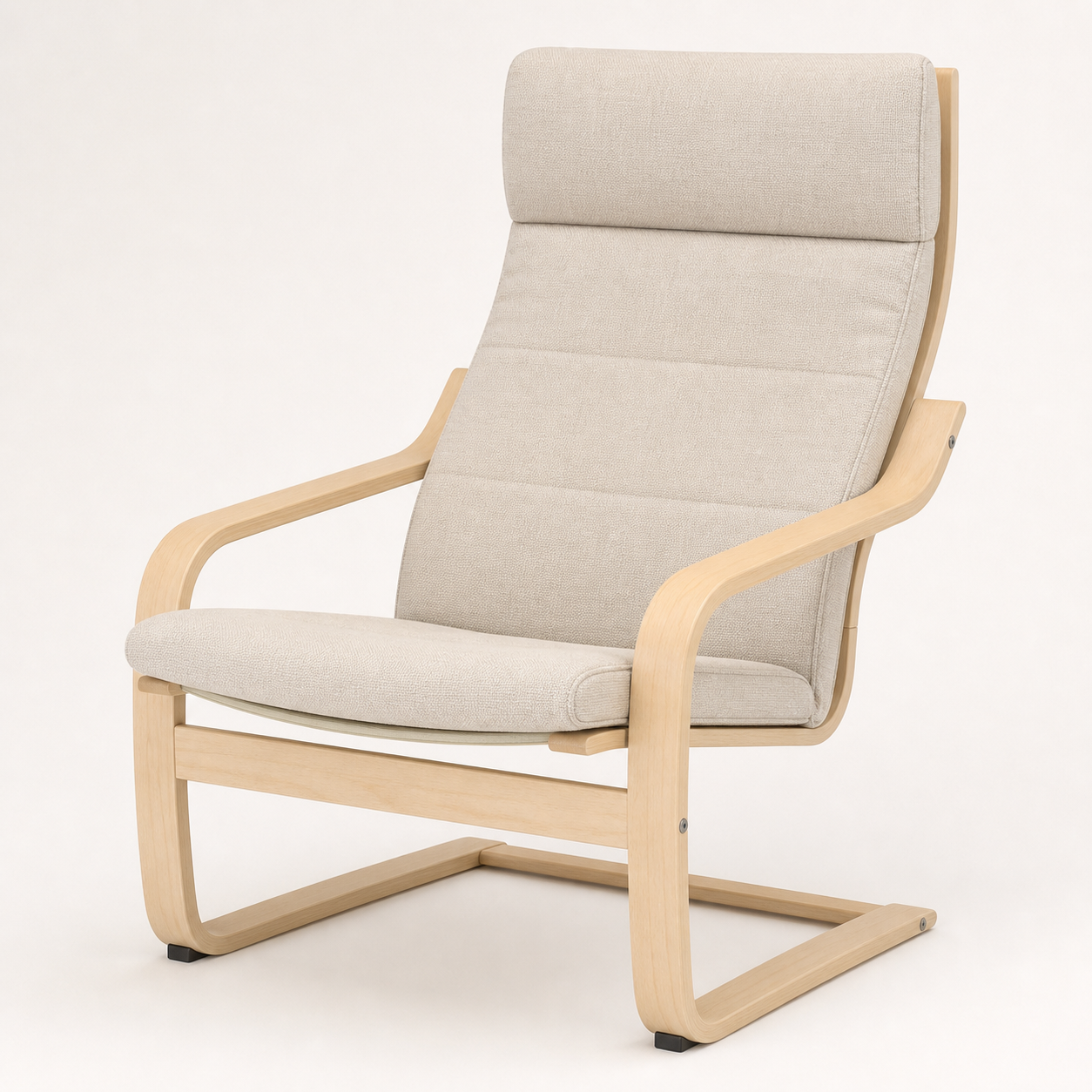
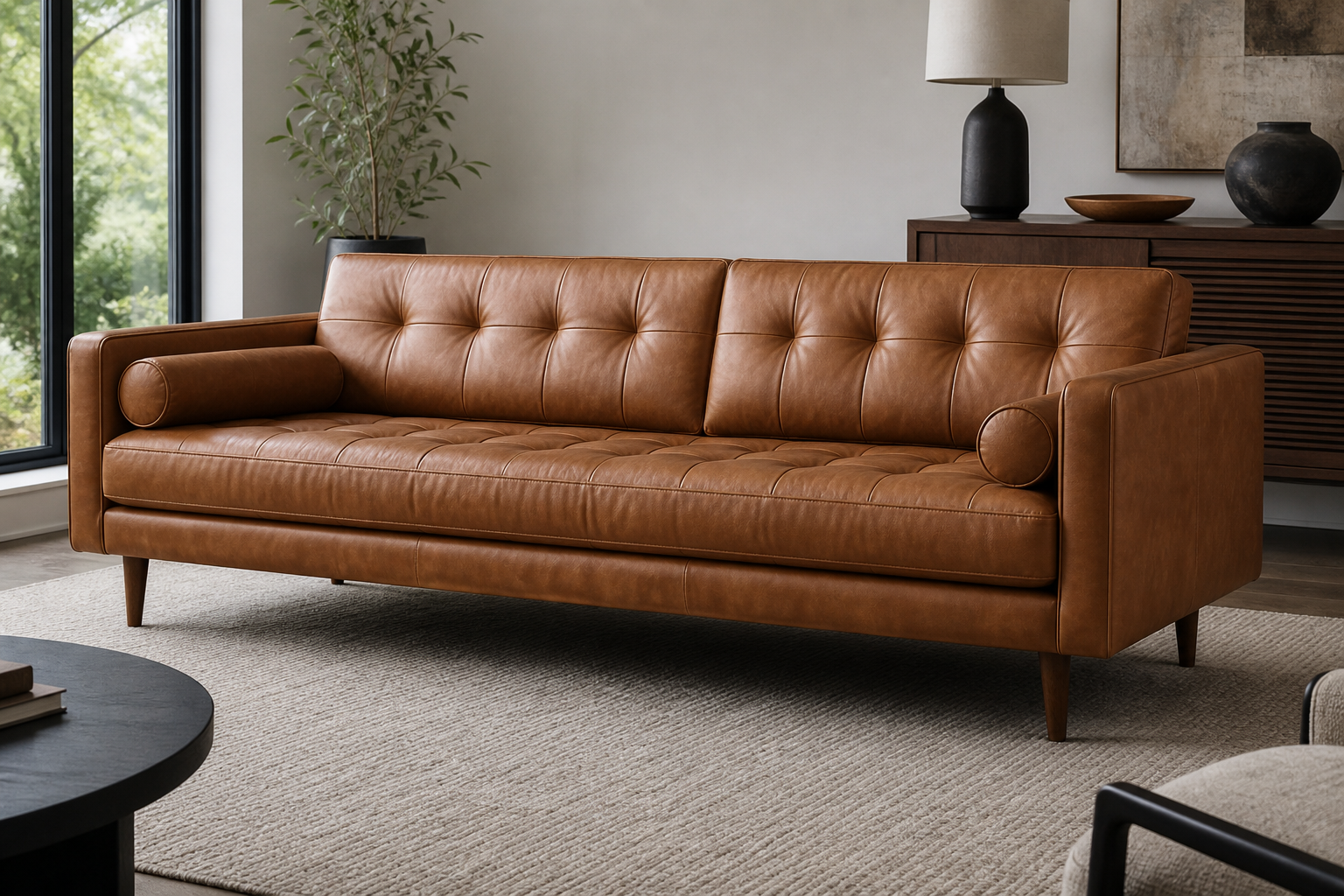
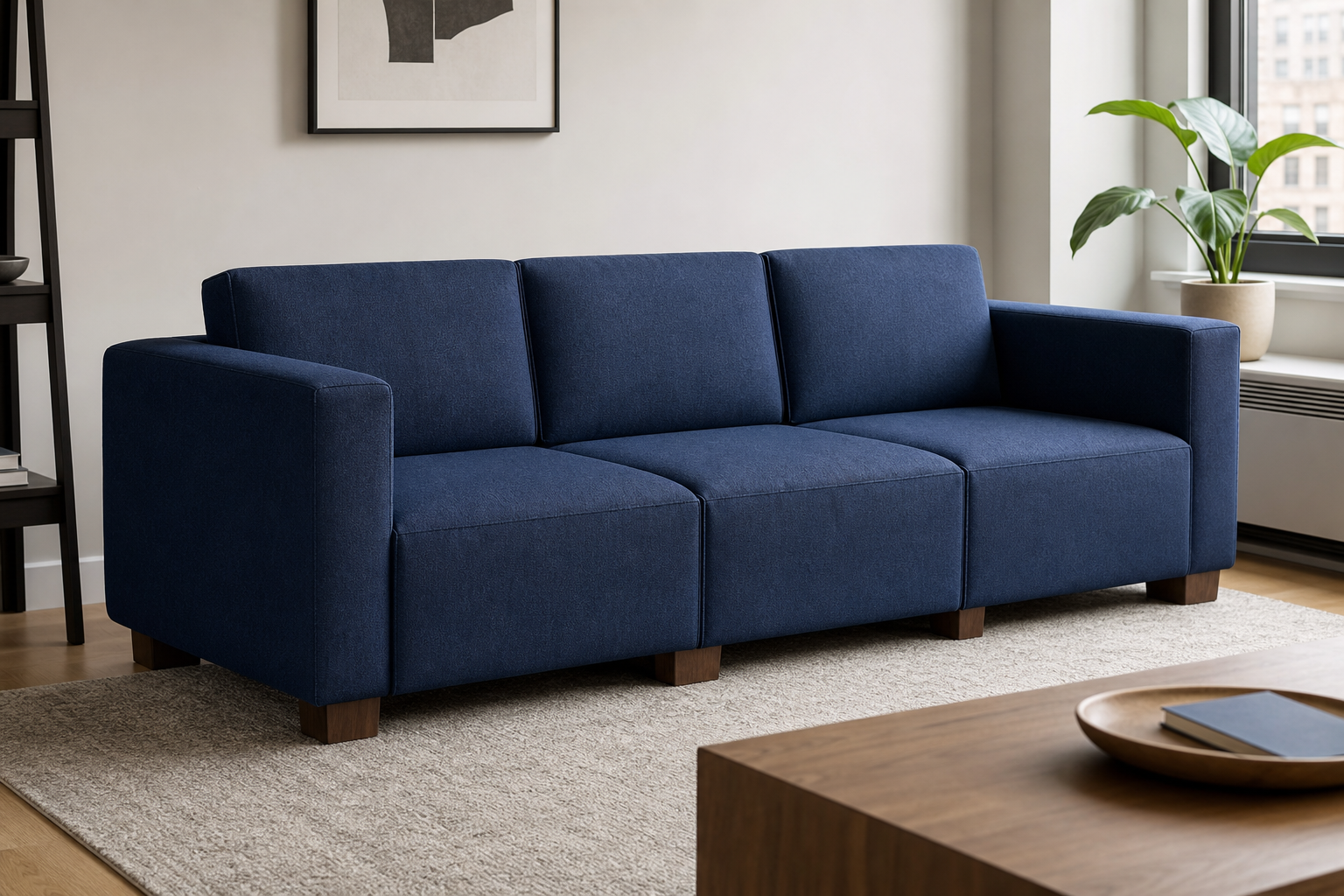
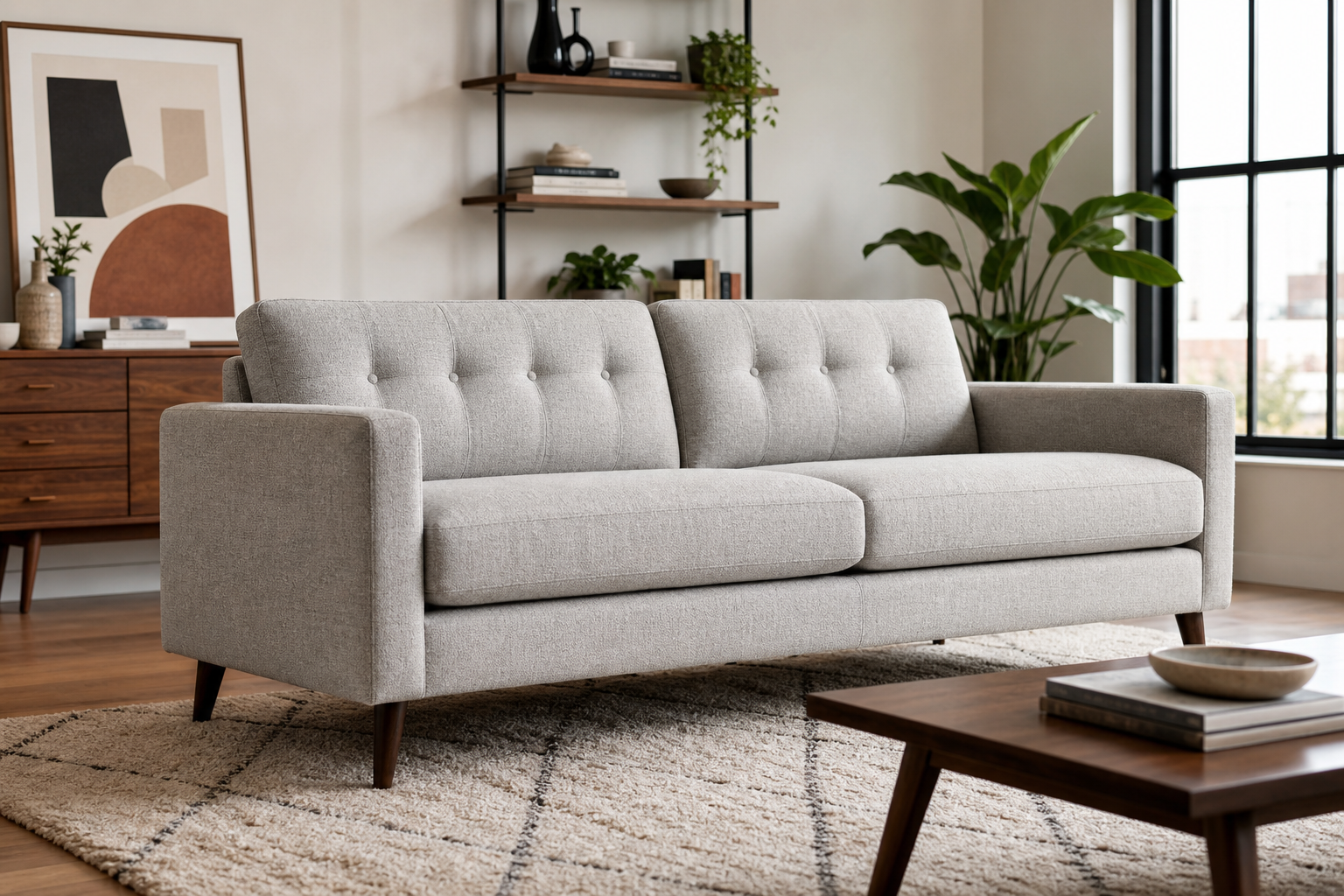
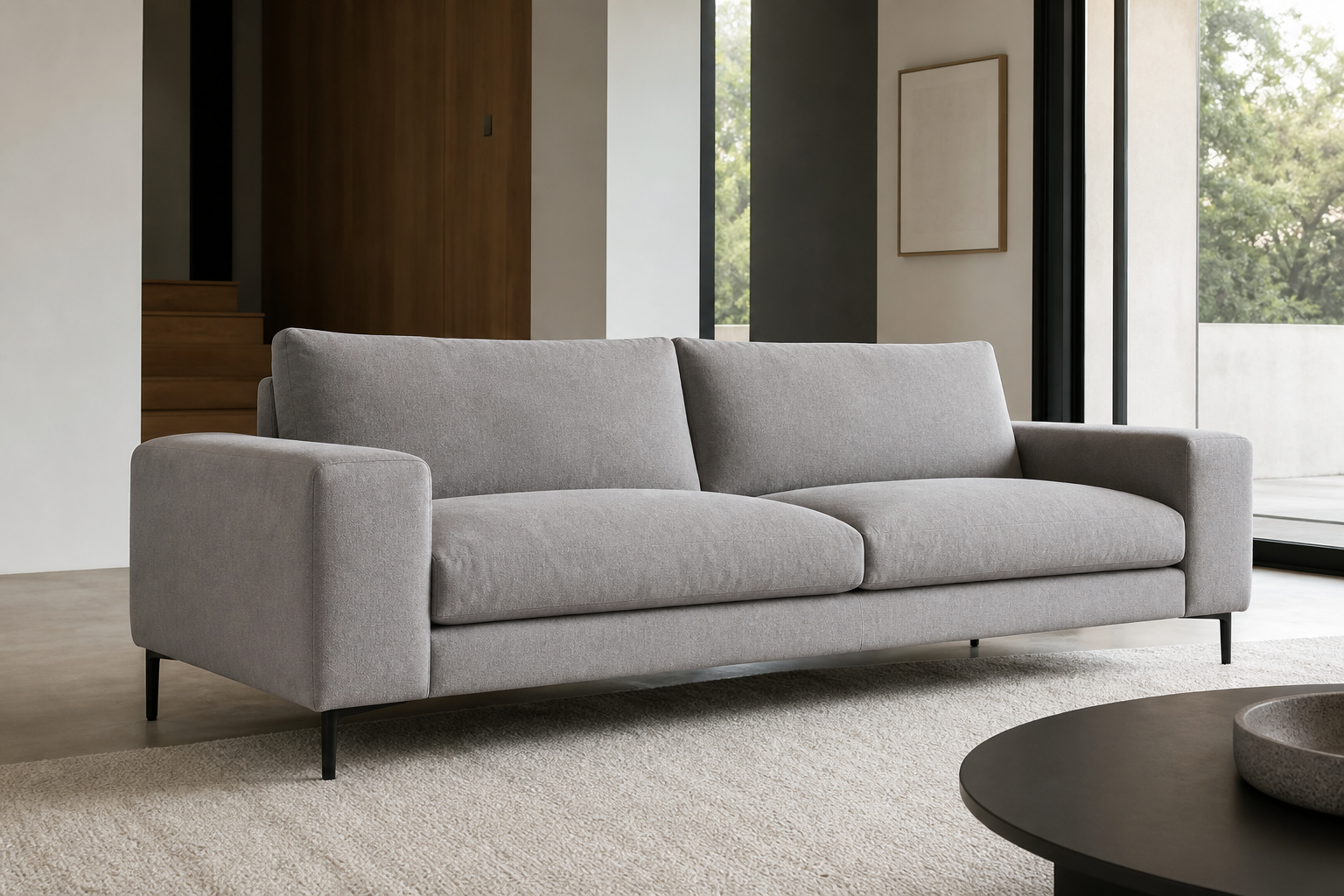
- Seating: A sofa or comfortable chairs are key for relaxation and socializing. If space is tight, look for multi-functional furniture like futons or modular seating.
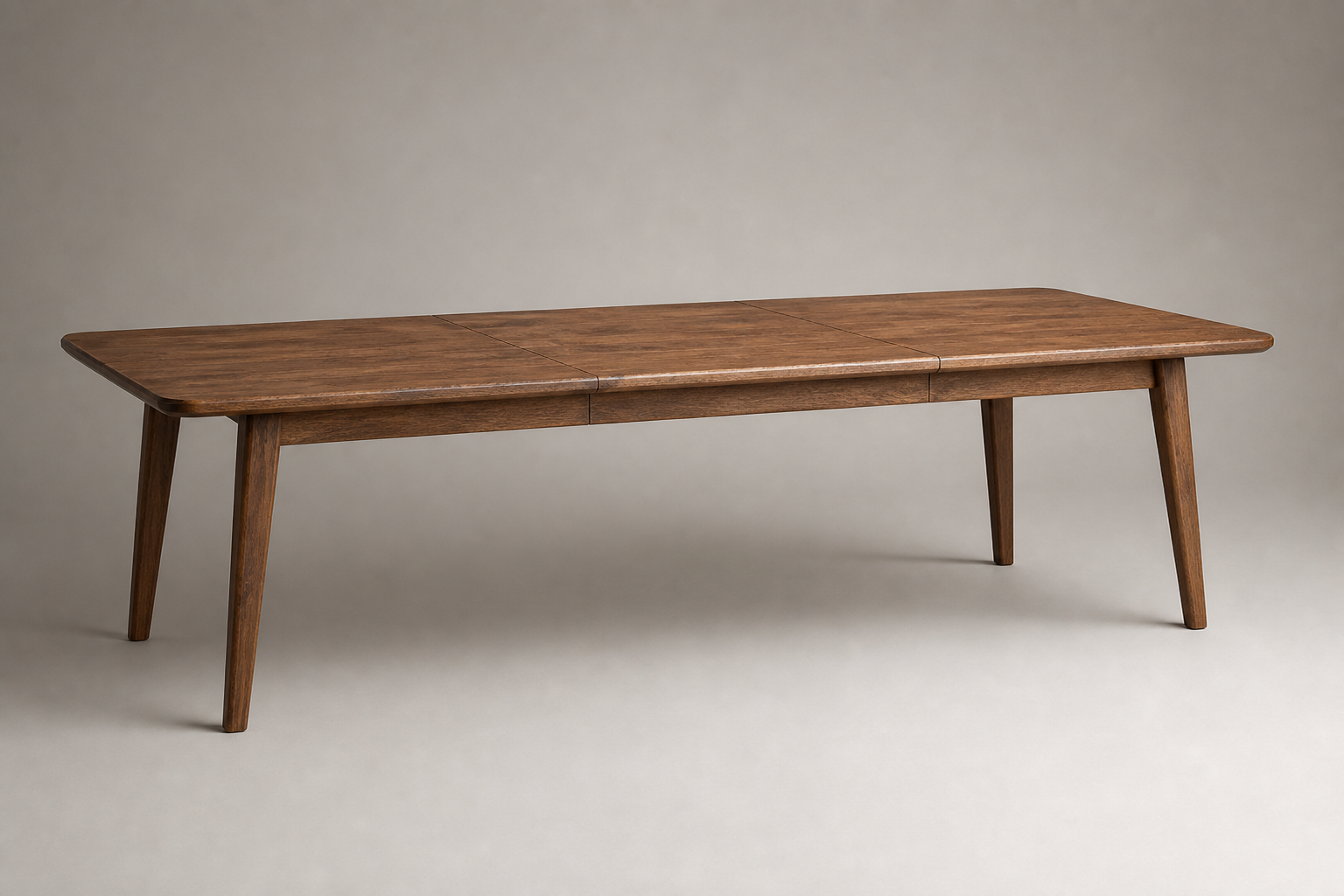
- Dining or Work Table: Depending on your lifestyle, choose a small <a href="/products/article-seno-71-dining-table-walnut/" class="product-inline-link">dining table</a> or a desk. Consider foldable or extendable options to maximize space.
2. Storage Solutions: Dressers, Shelving, and Closets
Storage is often overlooked but crucial for keeping your apartment tidy:
- Dressers and Shelves: Select pieces that fit your space and can be securely anchored to walls to prevent tip-over accidents. For renters, freestanding storage with non-damaging wall anchors is ideal.
- Closet Organizers: Use hanging shelves, shoe racks, and bins to maximize closet capacity without expensive built-ins.
3. Lighting: Layer Your Light Sources
Good lighting improves mood and functionality:
- Ambient Lighting: Overhead fixtures or ceiling lamps provide general illumination.
- Task Lighting: Desk lamps, reading lights, or under-cabinet lights help with focused activities.
- Accent Lighting: Floor lamps or LED strips add warmth and style.
Choose LED bulbs with a warm color temperature for a cozy feel and ensure cords are safely routed to avoid tripping hazards.
4. Rugs and Curtains: Soft Touches That Define Space
Rugs help define areas and add warmth, while curtains control light and privacy:
- Pick rugs with non-slip pads underneath to prevent accidents.
- Use curtains that comply with fire retardancy standards, especially in apartments with strict fire codes.
5. Safety and Environmental Considerations
- Furniture Tip-Over Prevention: Anchor tall furniture like bookshelves and dressers to walls using appropriate hardware.
- Material Safety: Opt for furniture with low or no VOC emissions to reduce indoor air pollution.
- Child and Pet Safety: Choose furniture with rounded corners or add corner guards to sharp edges.
Common Mistakes to Avoid When Furnishing Your First Apartment
Avoid these pitfalls to make your furniture shopping smoother and safer:
Overbuying or Buying Too Large
It’s tempting to fill every corner, but oversized furniture can make your apartment feel cramped and cluttered. Stick to your measurements and think about flow and walkways.
Ignoring Safety Features
Failing to anchor tall furniture or ignoring weight limits on shelves can lead to accidents. Always follow manufacturer instructions for assembly and installation.
Skimping on Mattress and Seating Quality
Your bed and seating are where you spend most of your time. Cheap, uncomfortable options can harm your health and well-being over time. Balance budget with quality.
Not Checking Return Policies
Furniture is a big investment. Look for sellers with flexible return policies, especially if you’re buying online without seeing items in person.
When to Call a Pro: Knowing Your Limits
Some tasks and purchases warrant professional help:
- Custom Furniture or Built-Ins: If you want custom storage or a built-in desk, hiring a carpenter or handyman ensures a safe, high-quality result.
- Electrical Work for Lighting: Installing ceiling fixtures or rewiring lamps should be done by a licensed electrician to avoid fire hazards.
- Large or Heavy Furniture Delivery and Assembly: Consider professional movers or assembly services if you have bulky or complex items.
- Wall Anchoring for Heavy Furniture: While many anchors are DIY-friendly, if you’re unsure about your wall type or load capacity, a professional can guarantee safe installation.
FAQ: Your First Apartment Furniture Checklist Questions Answered
Q1: What furniture should I buy first for my apartment?
Start with essentials: a bed, a comfortable seating option, and a table for dining or work. These form the foundation of your living space.
Q2: How can I make a small apartment feel bigger with furniture?
Choose multi-functional pieces, keep furniture scaled to your space, use light colors, and incorporate mirrors and lighting strategically.
Q3: Is it better to buy new or used furniture for a first apartment?
Both have pros and cons. Used furniture is budget-friendly but may lack warranties or safety certifications. New furniture offers guarantees and often better safety features but costs more.
Q4: How do I ensure my furniture is safe for children or pets?
Look for rounded edges, anchor tall pieces, avoid toxic finishes, and secure cords and small parts out of reach.
Q5: Can I anchor furniture in a rental apartment?
Yes, but use renter-friendly anchors that don’t cause permanent damage or check with your landlord. Command strips or furniture straps designed for renters can be effective.
Quick Reference Checklist for Your First Apartment Furniture
| Furniture Type | Key Considerations | Safety Tips | Budget Tips |
|---|---|---|---|
| Bed & Mattress | Size, weight capacity, comfort | Sturdy frame, non-toxic materials | Look for mattress trials |
| Seating | Space, multi-functionality | Stable legs, no sharp edges | Modular or second-hand options |
| Table (Dining/Desk) | Size, foldability | Stable surface, cord management | Start small, upgrade later |
| Storage (Dressers, Shelves) | Size, anchoring ability | Wall anchors to prevent tip-overs | Use vertical space, DIY organizers |
| Lighting | Layered lighting, bulb type | Professional installation if needed | Energy-efficient LED bulbs |
| Rugs & Curtains | Size, fire retardancy | Non-slip pads, fire-safe fabrics | Affordable online options |