Hunting note
Start with the decision, then inspect the details.
A practical guide for homeowners and renters researching furniture purchases online on japandi furniture style explained, covering the best next steps, tradeoffs, and when to call a pro.
Japandi furniture combines Japanese restraint with Scandinavian comfort. The result is not simply a beige room or a collection of low-profile chairs; it is a practical way of furnishing around useful objects, natural materials, visual quiet, and enough warmth to keep minimalism from feeling severe.
For homeowners and renters shopping online, the style offers a helpful filter. Instead of buying every item sold under the “Japandi” label, look for balanced proportions, honest materials, durable construction, and a clear purpose. A successful room usually contains fewer, better-considered pieces, with storage and circulation planned before decorative objects are added.
The Japandi Look, Explained in Practical Terms
Japandi brings together two compatible design traditions. Japanese interiors often emphasize simplicity, low visual weight, craftsmanship, asymmetry, and an appreciation for natural variation. Scandinavian furniture tends to prioritize daily comfort, approachable function, pale woods, and clean shapes. Japandi furniture sits between them: quieter than conventional cozy décor, but generally softer and more livable than stark minimalism.
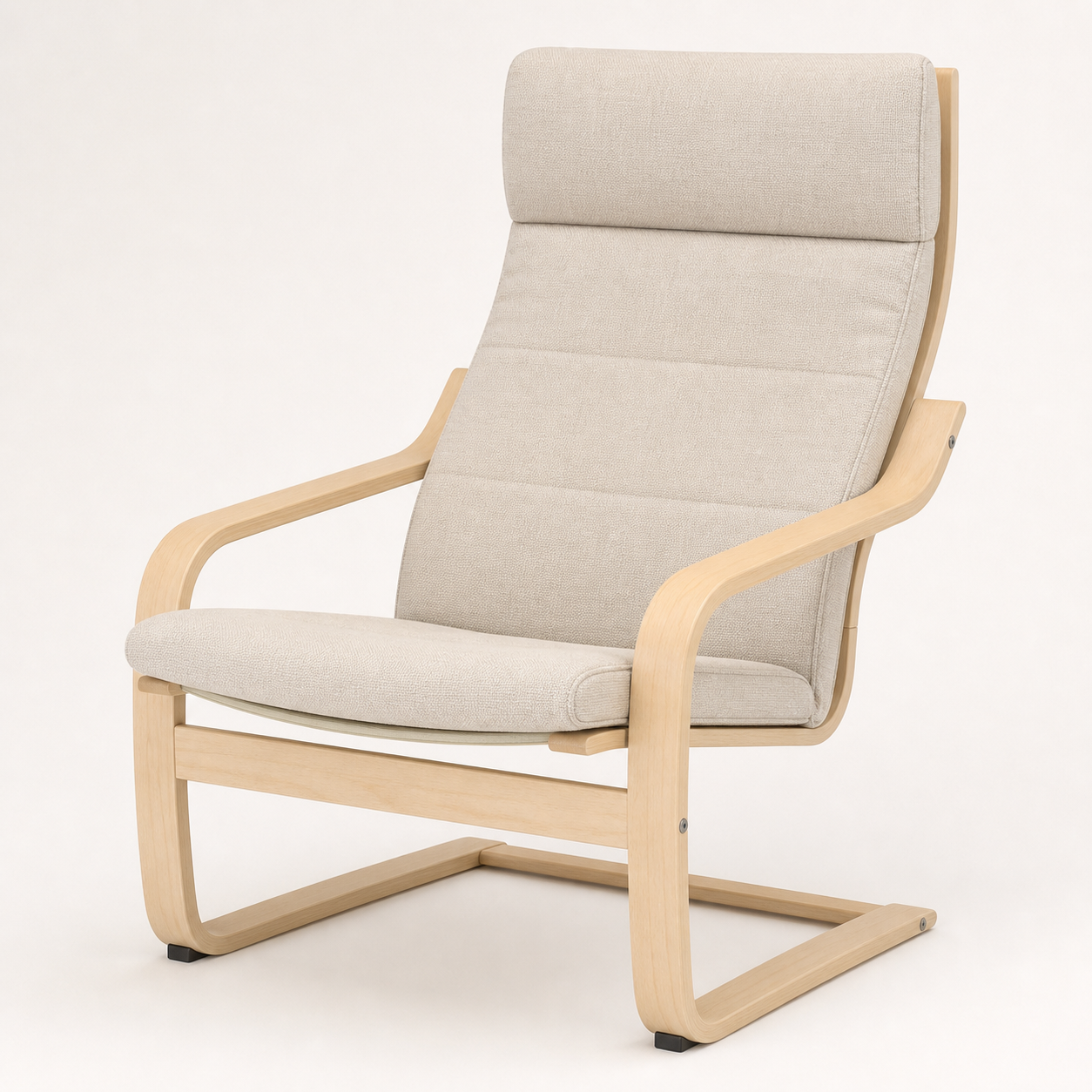
In practice, that can mean an oak <a href="/products/article-seno-71-dining-table-walnut/" class="product-inline-link">dining table</a> with a gently rounded edge, a low walnut cabinet with sliding doors, a paper-like pendant shade, or a <a href="/products/article-gabriola-34-lounge-chair-ivory-boucle/" class="product-inline-link">lounge chair</a> upholstered in textured neutral fabric. The defining feature is not one color or wood species. It is the relationship between form and use. Legs are often slender or subtly tapered, hardware is discreet, and ornament comes from joinery, grain, texture, or silhouette rather than applied decoration.
What to Check Before Buying Anything
Begin with the room rather than a product page. Measure wall lengths, door swings, windows, radiators, outlets, and the paths people use to cross the space. Mark the proposed furniture footprint with painter’s tape. Japandi rooms appear spacious partly because circulation is protected; an oversized sectional or deep <a href="/products/article-amoeba-42-5-coffee-table-walnut/" class="product-inline-link">coffee table</a> can defeat that effect even if its finish looks perfect.
Next, inventory what must remain. A renter may need to work around existing flooring and landlord-provided blinds, while a homeowner may be able to change lighting or built-ins. Identify the storage the room actually requires, including cables, paperwork, toys, table linens, or media equipment. Closed storage is particularly useful because it supports visual quiet without demanding an unrealistically clutter-free life.
Finally, decide on a restrained material and color plan before browsing. Choose one dominant wood family, one secondary finish, two or three textile tones, and a limited metal accent. Exact matching is unnecessary, but undertones should relate. Yellow oak, gray-washed veneer, red-toned walnut, and glossy black can feel disconnected when introduced without a plan. Request swatches where possible and check them in morning and evening light.
How to Recognize Good Japandi Furniture Online
Product photography can make inexpensive furniture look more substantial than it is, so read beyond the styled images. Check dimensions, product weight, materials, joinery descriptions, care instructions, assembly documents, and warranty terms. “Wood finish” may describe printed laminate, while “solid wood frame” may apply only to the legs. Veneer is not inherently poor quality—it can be stable and resource-efficient—but the seller should state what is beneath it and how exposed edges are finished.
Look closely at proportion. Japandi-inspired case goods often have a low horizontal profile, but low does not mean ergonomically suitable for every use. Confirm seat height and depth for chairs, apron clearance beneath tables, and monitor height for desks. Dining chairs with dramatic curved backs may not tuck fully under a table. A low bed can be difficult for someone with limited mobility, even if it visually suits the room.
Also investigate delivery and returns. Large furniture may incur restocking or return-freight charges, and “threshold delivery” usually does not include placement upstairs. Read owner reviews for repeated comments about wobble, veneer damage, difficult assembly, and color mismatch. One isolated complaint proves little; a recurring construction issue is more meaningful than generic praise about appearance.
Choosing Materials, Colors, and Finishes
Wood provides much of Japandi’s warmth. Pale oak, ash, beech, and birch lean Scandinavian, while walnut, elm, stained oak, and charred-looking finishes can add Japanese-influenced depth. You do not need to choose only light wood. A dark cabinet can ground a pale room, especially when its shape is simple and the finish is matte rather than highly reflective.
For upholstery, consider wool blends, linen-look weaves, cotton, leather, and performance textiles with visible texture. Ask for the fiber content and cleaning code rather than relying on words such as “natural” or “eco.” In a household with spills, a washable slipcover or durable performance fabric may be more responsible than delicate untreated linen that requires early replacement. If buying upholstered furniture, review the manufacturer’s fire-safety and flammability information for your market; do not remove compliance labels or add unapproved treatments.
Building the Room One Functional Layer at a Time
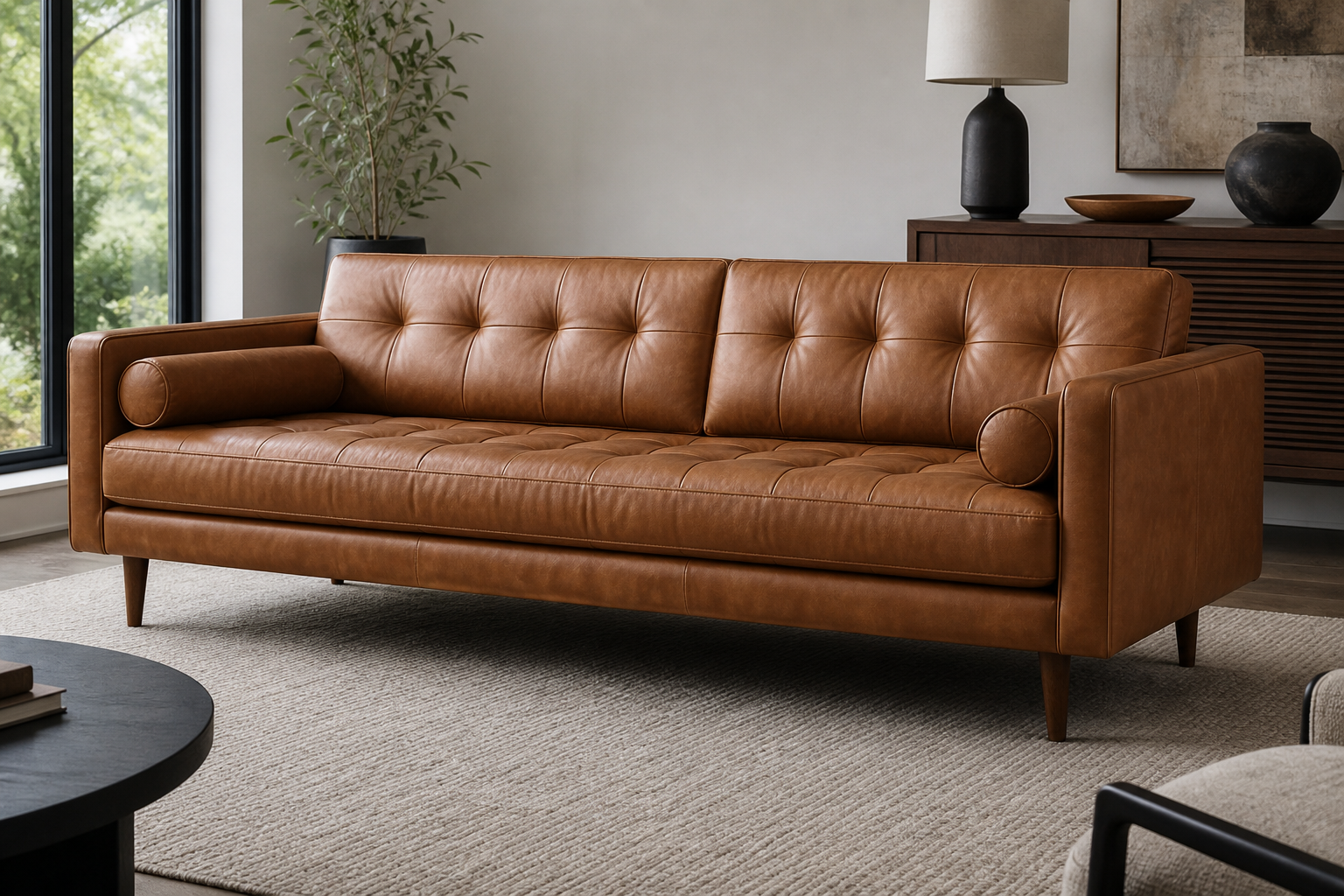
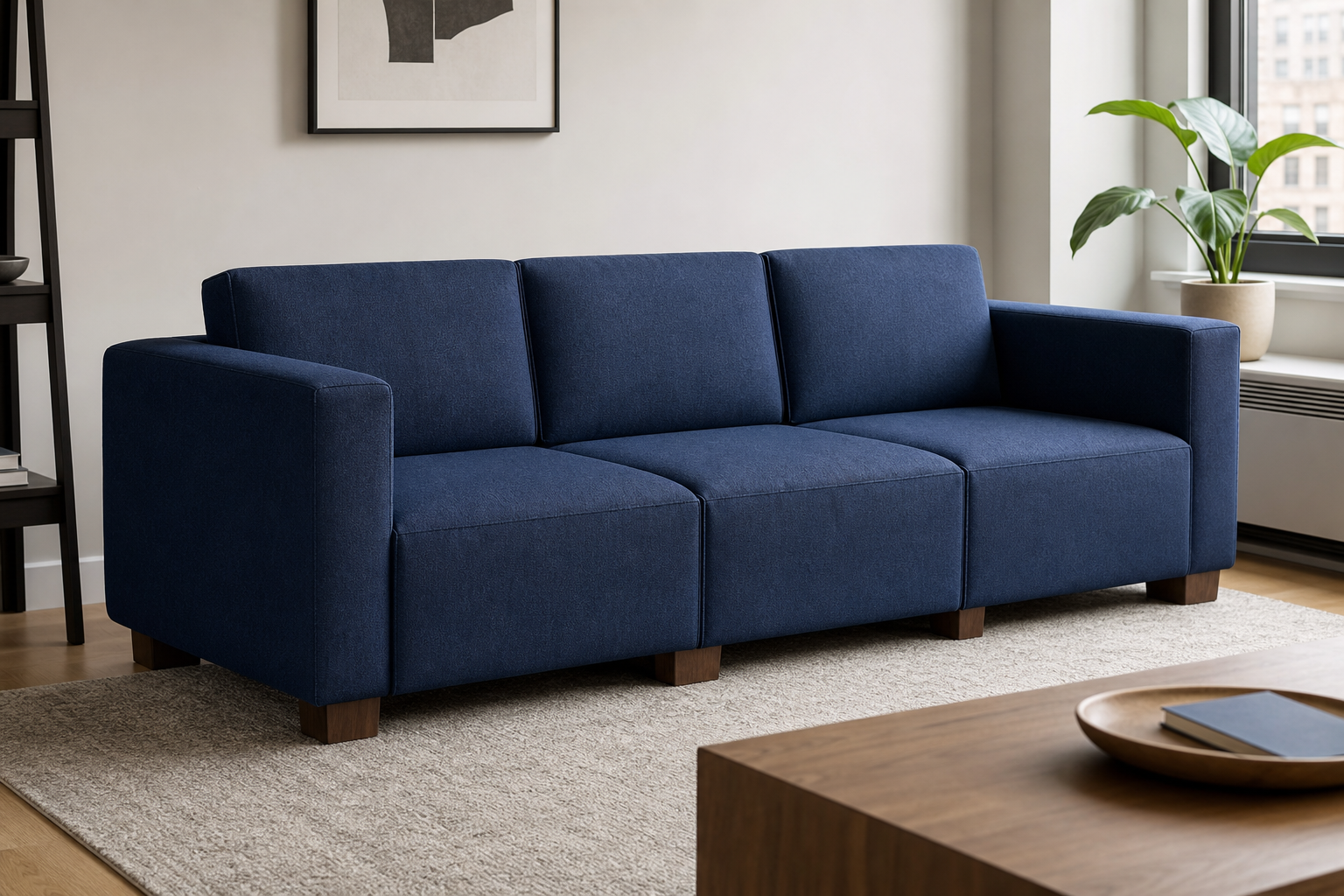
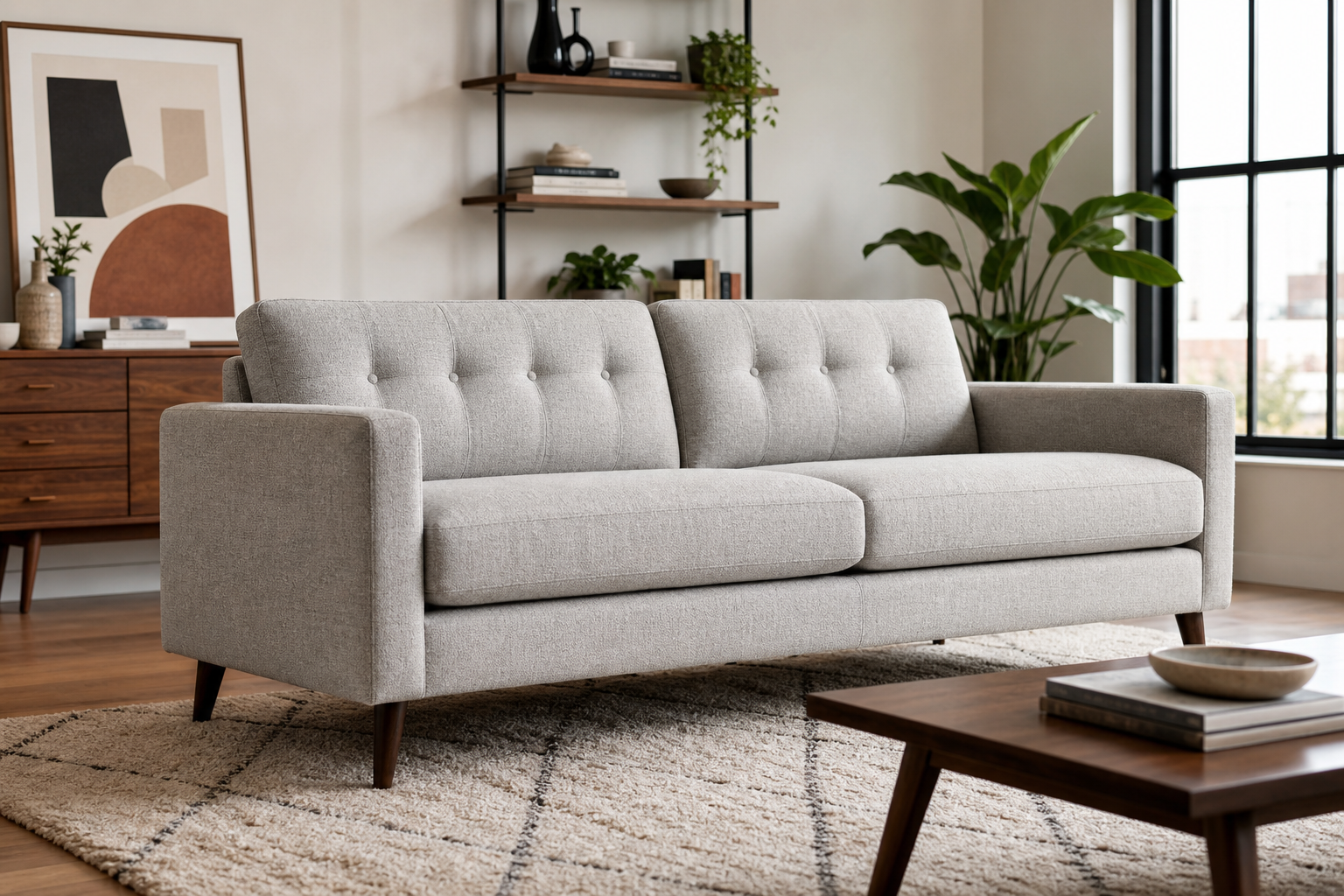
Start with the largest piece that solves the room’s main need: a sofa in a living room, a bed in a bedroom, or a table in a dining area. Then add storage and task lighting before small décor. This order prevents a familiar budget problem—spending on ceramics and accent stools, then discovering there is no money or floor area left for a cabinet that hides daily clutter.
Scale each addition against the first piece. In a compact living room, a visually light table with a shelf may work better than a solid block. Our guide to the best <a href="/products/ikea-lack-coffee-table-black-brown/" class="product-inline-link">coffee table</a> for small spaces can help compare lift-top storage, nesting forms, and narrow footprints without losing the restrained look. Leave enough clearance to move comfortably and avoid selecting sharp projecting corners for a tight route.
Dining rooms benefit from the same discipline. Confirm place-setting width, chair clearance, and extension-leaf storage rather than shopping by seat count alone. If the room must host family meals, compare practical dimensions in the best <a href="/products/article-conan-75-oval-dining-table-walnut/" class="product-inline-link">dining table</a> for six people guide. A simple table that seats everyone comfortably is more aligned with Japandi principles than a sculptural design that pinches knees or blocks circulation.
A Quick-Reference Buying Checklist
Use this table to compare products consistently instead of making a decision from color and styling alone.
| Check | What to look for | Warning sign |
|---|---|---|
| Dimensions | Full width, depth, height, and usable clearances | Only overall dimensions are shown |
| Materials | Specific wood, veneer substrate, textile fiber, and finish | Vague terms such as “premium material” |
| Construction | Joinery, frame material, replaceable parts, assembly guide | Critical joints rely on unclear hardware |
| Capacity | Stated load limit for shelves, desks, seating, and wall units | No weight rating or anchoring guidance |
| Safety | Tip restraint, rounded edges, compliant upholstery information | Tall unit shown freestanding without restraint |
| Delivery | Package size, room-of-choice options, damage procedure | Buyer pays costly return freight for defects |
| Longevity | Care instructions, warranty, repairable surfaces | Trend finish with no touch-up guidance |
| Samples | Wood or fabric swatches viewed in the actual room | Purchase depends only on edited photos |
After creating a shortlist, score each candidate on function, construction, safety, delivery, and appearance. Give appearance no more influence than the other categories. This makes it easier to reject a beautiful but undersized sideboard or a cheap desk with no published load capacity.
For online purchases, save screenshots or PDFs of the specifications and warranty available at checkout. Product pages can change. Inspect cartons and furniture promptly on arrival, photograph damage before assembly, and keep packaging until you know the item is complete and stable. These steps are unglamorous, but they matter more than finding the perfect cream-colored accessory.
Safety Checks That Minimal Styling Can Hide
Low visual clutter does not remove furniture hazards. Tall dressers, bookcases, and narrow cabinets can tip when drawers are opened, climbed, or loaded unevenly. Follow the manufacturer’s anchoring instructions and use hardware appropriate for the wall structure—not a random screw chosen because it fits the bracket. Renters should ask the landlord about permitted anchoring rather than leaving a risky unit unsecured. Place heavy contents low, and do not treat anchoring as a substitute for supervising children.
Respect published weight capacities for shelves, desks, benches, wall cabinets, and monitor arms. A shelf filled with books is much heavier than one styled with two vases. Distribute loads as directed, recheck fasteners after assembly, and stop using furniture that rocks, cracks, bows, or pulls away from the wall. For a work area, the best adjustable height desk guide can help compare stability and capacity as well as appearance.
New furniture can release odors and volatile organic compounds from adhesives, foams, coatings, or engineered wood. Ventilate the room, follow manufacturer guidance, and allow an item to air out away from children or anyone sensitive to fumes. Persistent or irritating odors warrant contacting the seller rather than masking them. In family spaces, soften exposed sharp corners with securely fitted guards or choose rounded designs; keep cords, unstable lamps, and climbable arrangements out of reach.
Lighting and Accessories Without Adding Clutter
Japandi lighting should support tasks first and atmosphere second. Combine general illumination with focused light beside a chair, over a dining surface, or on a desk. Paper-look shades, opal glass, linen diffusers, ceramic bases, and slender timber lamps can suit the style, but verify that shades and bulbs are compatible. Never exceed the fixture’s maximum wattage, drape fabric over a lamp, or place heat-producing bulbs against combustible materials.
Accessories work best when they have scale and breathing room. One substantial bowl, a textured throw, or a grouped set of ceramics often reads more clearly than many small objects. Empty space is active composition, not an obligation to leave the home unfinished. Trays can gather remotes and keys; lidded boxes can control small necessities; baskets can soften straight-lined cabinetry while providing useful storage.
Common Mistakes and Budget Traps to Avoid
Another mistake is choosing form over comfort. Extremely low sofas, backless benches, hard dining chairs, and tiny desks can look elegant in photographs but perform poorly through a full day. Test comparable dimensions locally when possible. Check whether cushions provide support, whether chair arms fit beneath the table, and whether a laptop, monitor, and keyboard can sit safely on the selected desk without exceeding its capacity.
Beware of false economies. A low price can be reasonable for a temporary renter-friendly item, but factor in delivery, assembly, return freight, and expected service life. Conversely, a high price and a Japanese- or Nordic-sounding product name do not prove quality. Spend where failure would be disruptive: primary seating, bed frames, frequently used tables, safe storage, and good task lighting. Save on easily replaced accents.
When Professional Help Is the Safer Choice
Call a qualified installer or appropriate tradesperson when a project involves uncertain wall construction, heavy wall-mounted cabinets, large mirrors, hardwired lighting, or furniture that must be secured around concealed plumbing or electrical services. An installer should confirm the substrate and use a fixing system rated for the item and expected load. If a manufacturer requires professional installation for warranty coverage, include that cost before purchasing.
Furniture repair also deserves judgment. Tightening accessible hardware or following an official adjustment procedure is reasonable; repairing a cracked structural chair joint, failed reclining mechanism, or damaged powered desk can require specialist knowledge. Stop using an item that may collapse or create an electrical hazard. Contact the retailer first when the furniture is new, since an improvised repair can compromise both safety and warranty rights.
An interior designer is optional, not a requirement for achieving the style. Professional planning may be worthwhile for an awkward open-plan room, a substantial whole-home purchase, accessibility needs, or expensive custom joinery. Bring measurements, photographs, a realistic budget, and a list of daily activities. The goal should be a safer, more functional home—not merely a more convincing version of a trend.
Frequently Asked Questions
Is Japandi furniture always made from light wood?
No. Pale oak and ash are common because they create an airy Scandinavian character, but walnut, stained timber, charcoal finishes, and dark accents can all work. Consistency of undertone, simple form, and material quality matter more than choosing one fashionable species. A darker anchor can also keep a neutral room from appearing washed out.
Can renters create a Japandi room without renovating?
Yes. Focus on movable furniture, lamps, textiles, storage baskets, and removable window treatments where permitted. Preserve circulation, reduce visual clutter, and use a small coordinated palette. Ask before drilling for anchors, but do not use tenancy restrictions as a reason to leave tall furniture unsafe; choose lower storage or obtain written approval for proper restraint.
Is veneer acceptable in Japandi furniture?
Good veneer can be a sensible choice. It uses a thin layer of real wood over a stable core and can produce consistent grain across broad surfaces. Check the substrate, edge treatment, repair guidance, and moisture limitations. Cheap printed foil marketed vaguely as a wood finish is a different material and should be priced accordingly.
How can I keep a neutral Japandi room from feeling cold?
Layer tactile materials and controlled contrast. Combine timber with woven upholstery, wool or cotton textiles, ceramics, and warm diffused lighting. Introduce a darker finish or muted earth tone to give pale surfaces definition. Personal objects are welcome when selected and displayed intentionally; calm should not mean anonymous.
Does every piece need to match the Japandi style?
No. Rooms usually feel more credible when they evolve rather than arrive as a coordinated set. Keep pieces that function well and relate through scale, color, or material. A vintage cabinet or contemporary metal lamp can provide useful contrast. Edit the relationships among objects instead of applying a strict label to each one.
Final Takeaway
Japandi furniture is best understood as a decision-making approach: buy fewer pieces, demand useful function, appreciate honest materials, and protect space for everyday movement. The visual result is calm because storage, scale, lighting, and construction have been considered—not because every object is beige or marketed under the same style name.
Measure first, compare specifications, order samples, and prioritize stable construction over photogenic details. Build the room from its main function outward, then add texture and character slowly. When anchoring, electrical work, or structural repair exceeds your experience, pause and bring in the right professional. That combination of restraint and care is more enduring than copying a single styled image.