Hunting note
Start with the decision, then inspect the details.
A practical guide for homeowners and renters researching furniture purchases online on best sofa for small living room, covering the best next steps, tradeoffs, and when to call a pro.
Finding the best sofa for a small living room can feel like a balancing act. You want a piece that’s stylish, comfortable, and functional, but also the right size so it doesn’t overwhelm your space. Whether you’re a homeowner or a renter, making the right choice can transform your living area from cramped to cozy — without sacrificing your lifestyle or budget.
In this guide, we’ll walk you through everything you need to know before buying a sofa for a small living room, including key space-planning tips, the best styles and materials to consider, common pitfalls to avoid, and when it’s smart to bring in a professional. Let’s dive into how to make your small living room work beautifully with the perfect sofa.
Why Choosing the Best Sofa for a Small Living Room Matters
A sofa is often the centerpiece of a living room, anchoring the space visually and functionally. In small rooms, the sofa’s size and shape directly impact how open or cramped the room feels. A too-large sofa can block pathways, limit seating flexibility, and make the room feel claustrophobic. Conversely, a sofa that’s too small or poorly designed can look out of place and fail to provide the comfort you need.
The best sofa for a small living room maximizes seating without crowding the room, complements your décor, and fits your lifestyle—whether that means a family-friendly fabric, a sleeper sofa for guests, or easy-to-move modular pieces. Getting this right enhances both your daily comfort and your home’s overall appeal.
What to Check First Before Buying a Small Living Room Sofa
Measure Your Space Accurately
Before browsing sofas, take detailed measurements of your living room. This includes:
- Room dimensions: Width, length, and ceiling height.
- Available wall space: Measure the length of walls where the sofa could go.
- Doorways and hallways: Check width and height to ensure the sofa can be delivered and maneuvered inside.
- Clearance: Leave at least 18-24 inches of walking space around the sofa for comfortable movement.
Sketch a simple floor plan with measurements and mark where other furniture (TV stand, <a href="/products/article-amoeba-42-5-coffee-table-walnut/" class="product-inline-link">coffee table</a>, side chairs) will go. This helps avoid buying a sofa that physically won’t fit or that disrupts flow.
Consider Your Lifestyle Needs
Think about how you use your living room:
- Seating needs: How many people do you want to seat regularly? Do you entertain often?
- Functionality: Do you need a sleeper sofa, recliner, or modular pieces that can be rearranged?
- Durability: Do you have pets or kids? Choose fabrics and finishes that stand up to wear.
- Style preferences: What sofa styles suit your décor? Mid-century modern, contemporary, traditional?
Understanding your priorities upfront helps narrow your options and avoids costly returns.
Evaluate Your Budget
Small-space sofas come in a wide price range—from budget-friendly options under $300 to high-end designer pieces costing several thousand dollars. Set a realistic budget that includes taxes and delivery fees. Remember that investing in a quality sofa with durable materials often pays off over time.
Best Sofa Options and Steps for Small Living Rooms
1. Opt for Compact Sofas Specifically Designed for Small Spaces
Many manufacturers offer sofas labeled “apartment size” or “small space,” which typically measure between 60 and 72 inches wide. These are scaled-down versions of standard sofas, often with slimmer arms and lower profiles to save space visually and physically.
Tradeoff: Smaller sofas offer less seating but keep the room open. If you need more seats, consider pairing with accent chairs or ottomans.
2. Choose a Loveseat or Apartment Sofa
Loveseats (around 52-66 inches wide) are ideal if you live alone or with one other person. They fit nicely along shorter walls or under windows, freeing up floor space.
Tradeoff: Loveseats may not accommodate larger families or guests comfortably without additional seating.
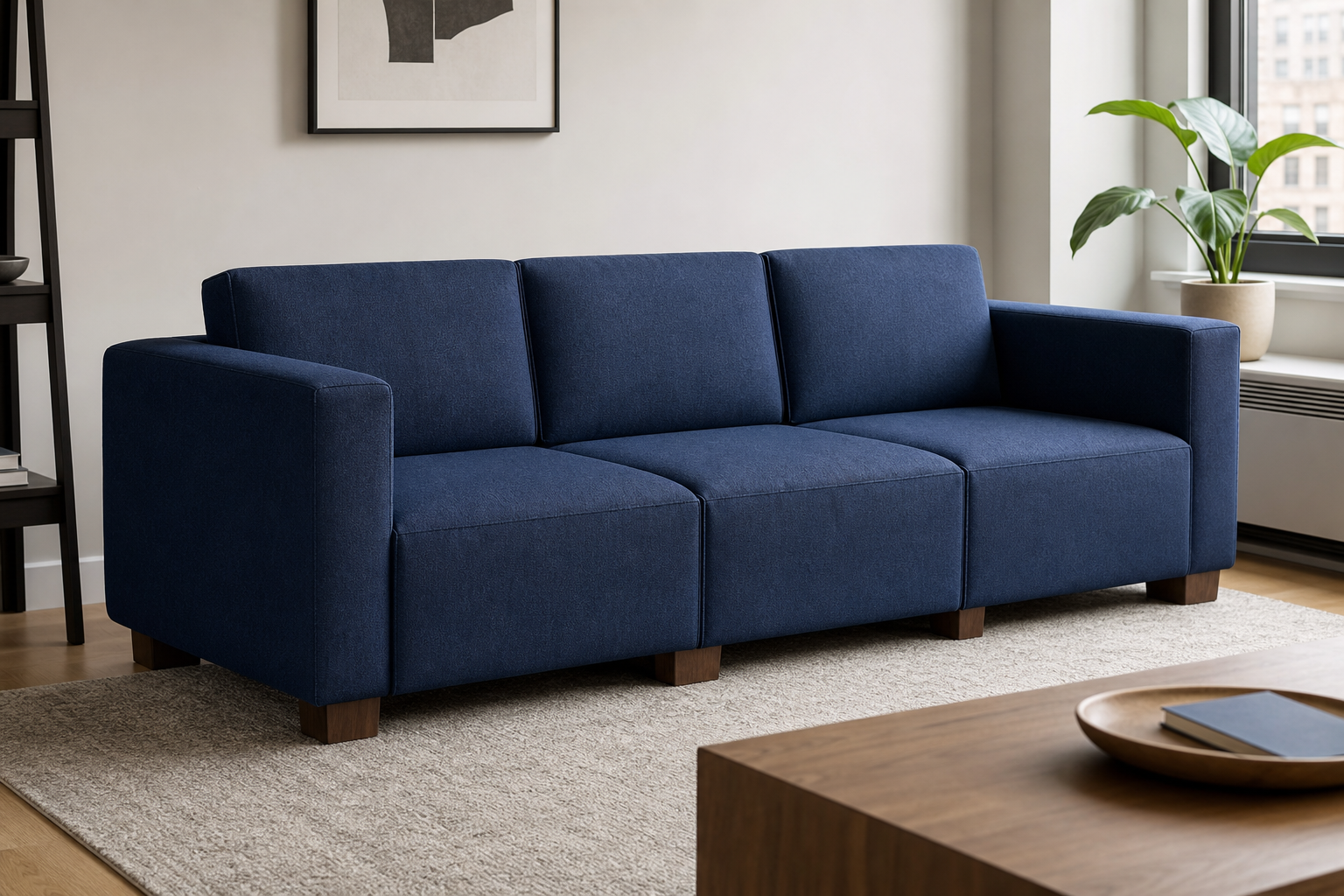
3. Consider Modular or Sectional Sofas with Smaller Components
Modular sofas allow you to customize seating arrangements by combining smaller sections. (best recliner for back pain) (best sectional sofa for family) You can add or remove pieces to fit your space or change configurations over time.
Tradeoff: Modular sofas tend to be pricier and sometimes bulkier than fixed sofas. Choose low-profile modules to maximize space.
4. Look for Armless or Low-Arm Sofas
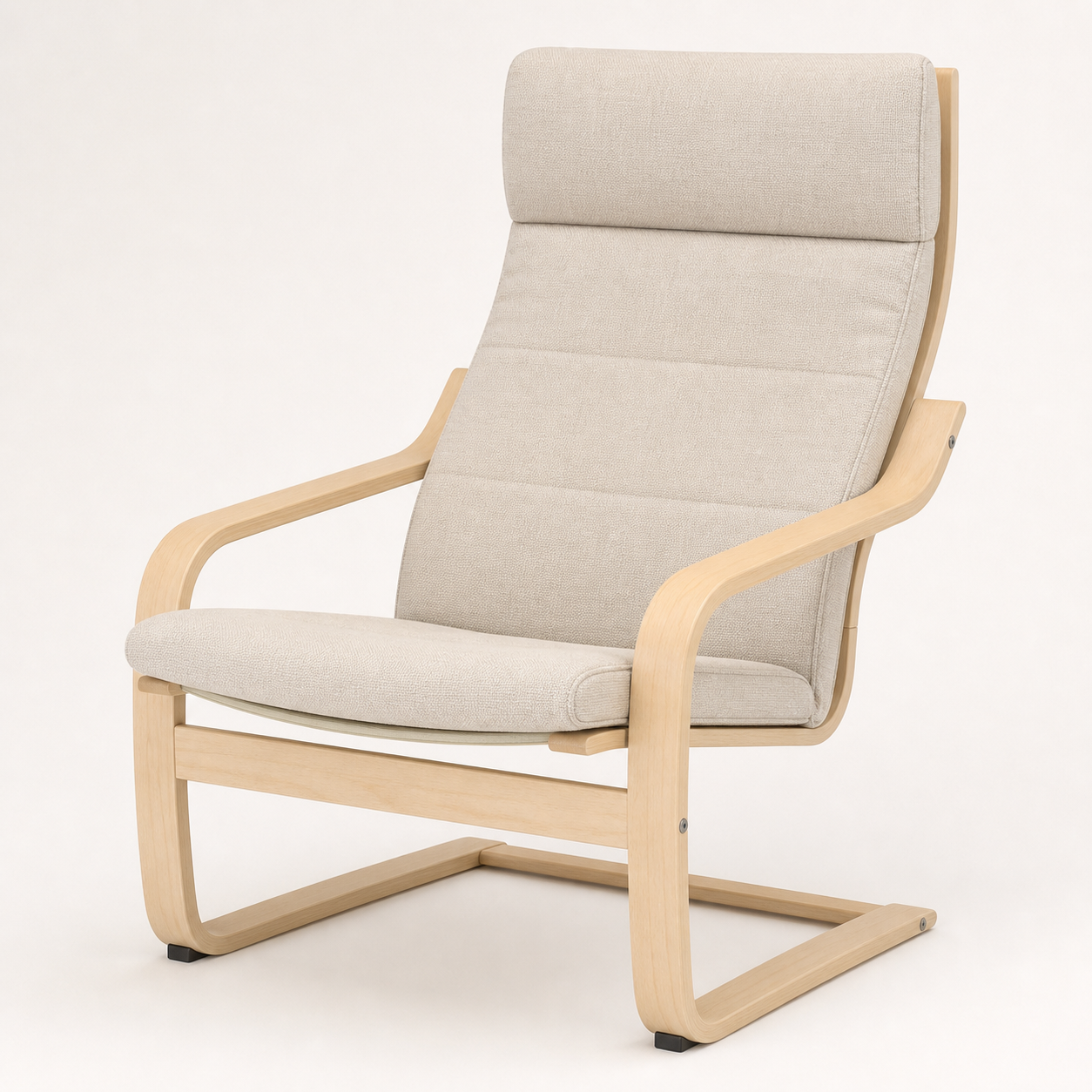
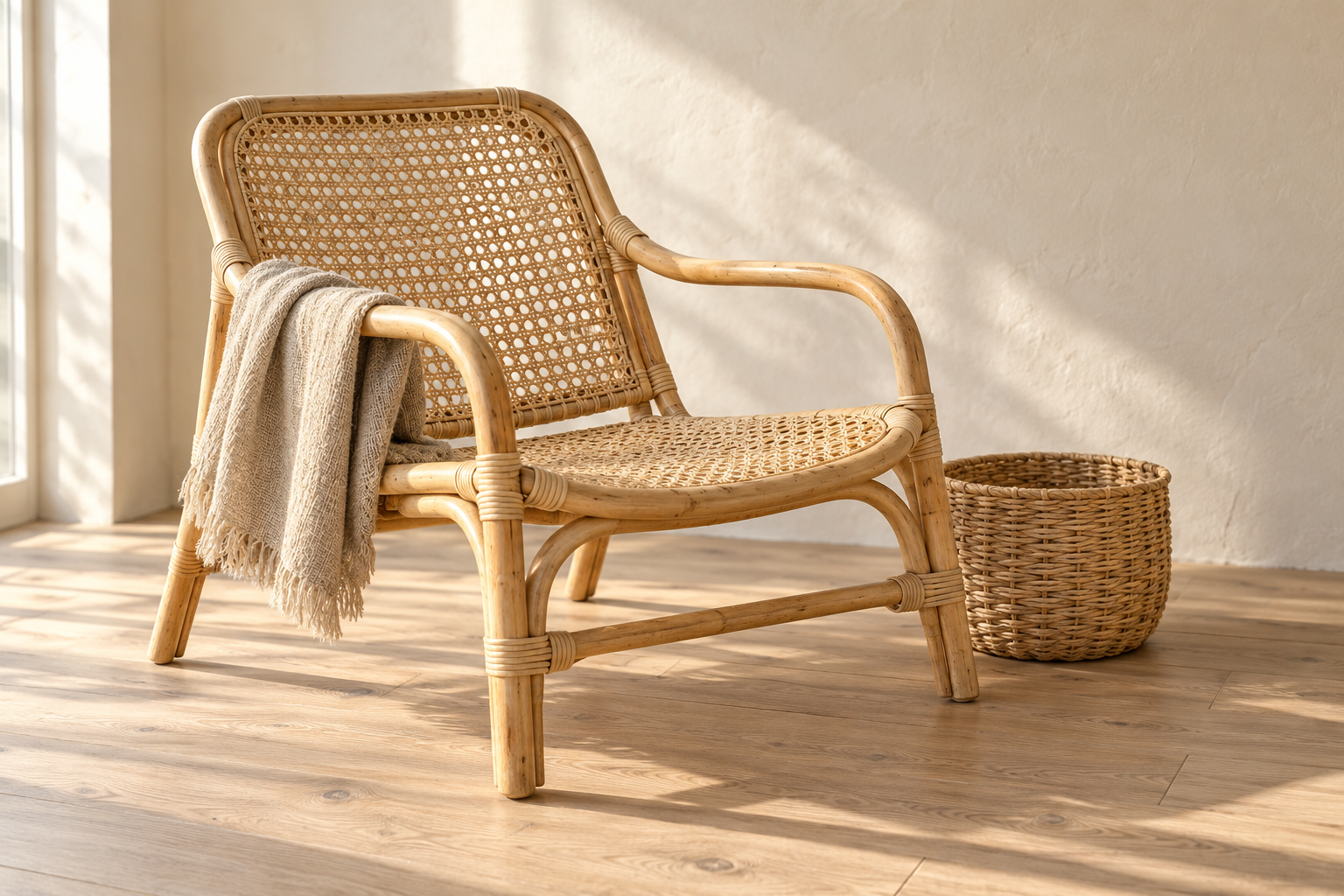
Sofas without arms or with slim arms visually take up less space, making the room feel airier. (most comfortable reading chair) They also allow more flexibility for placing side tables or chairs close by.
Tradeoff: Armless sofas offer less support for lounging sideways but work well if you mostly sit facing forward.
5. Pay Attention to Leg Height and Frame Design
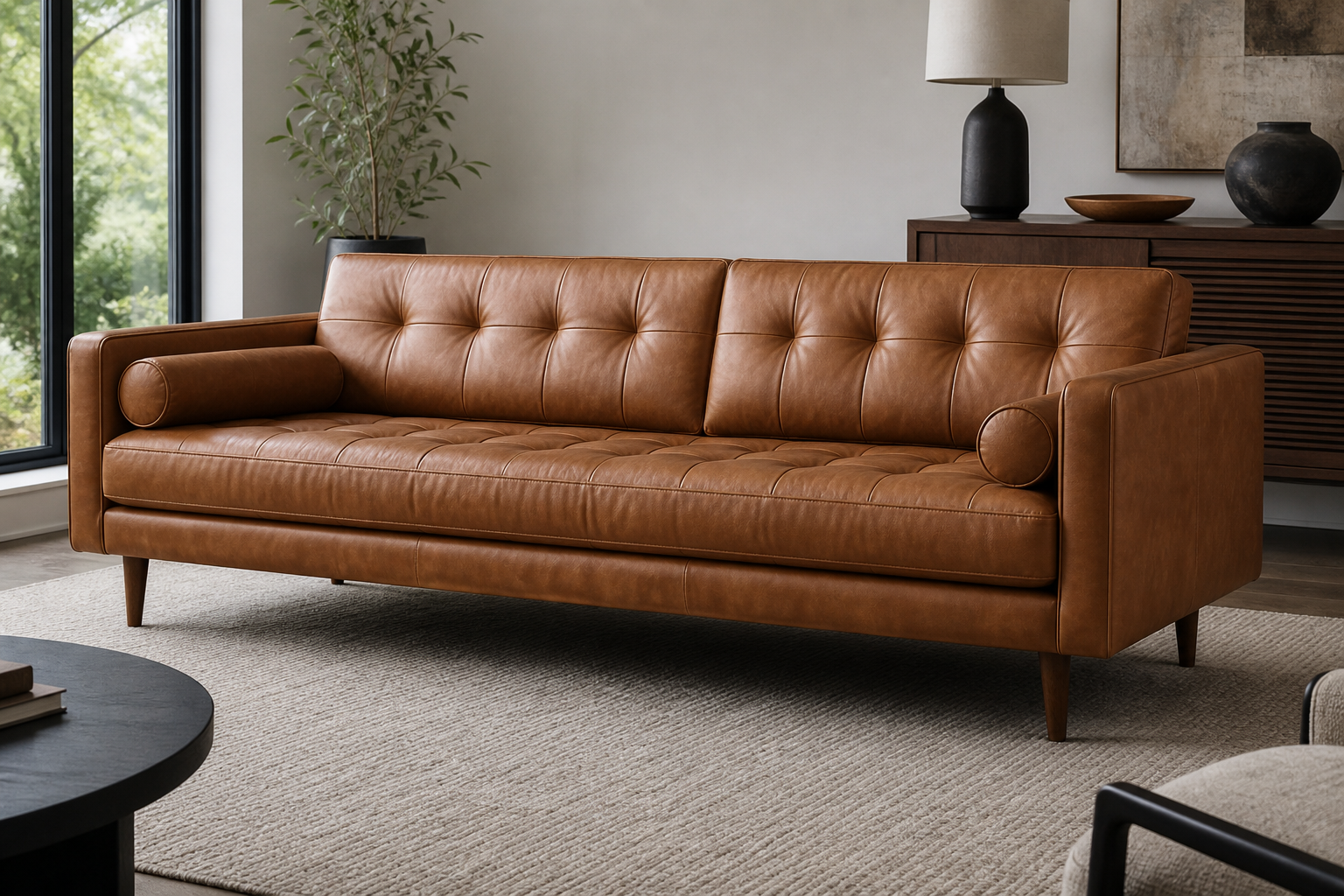
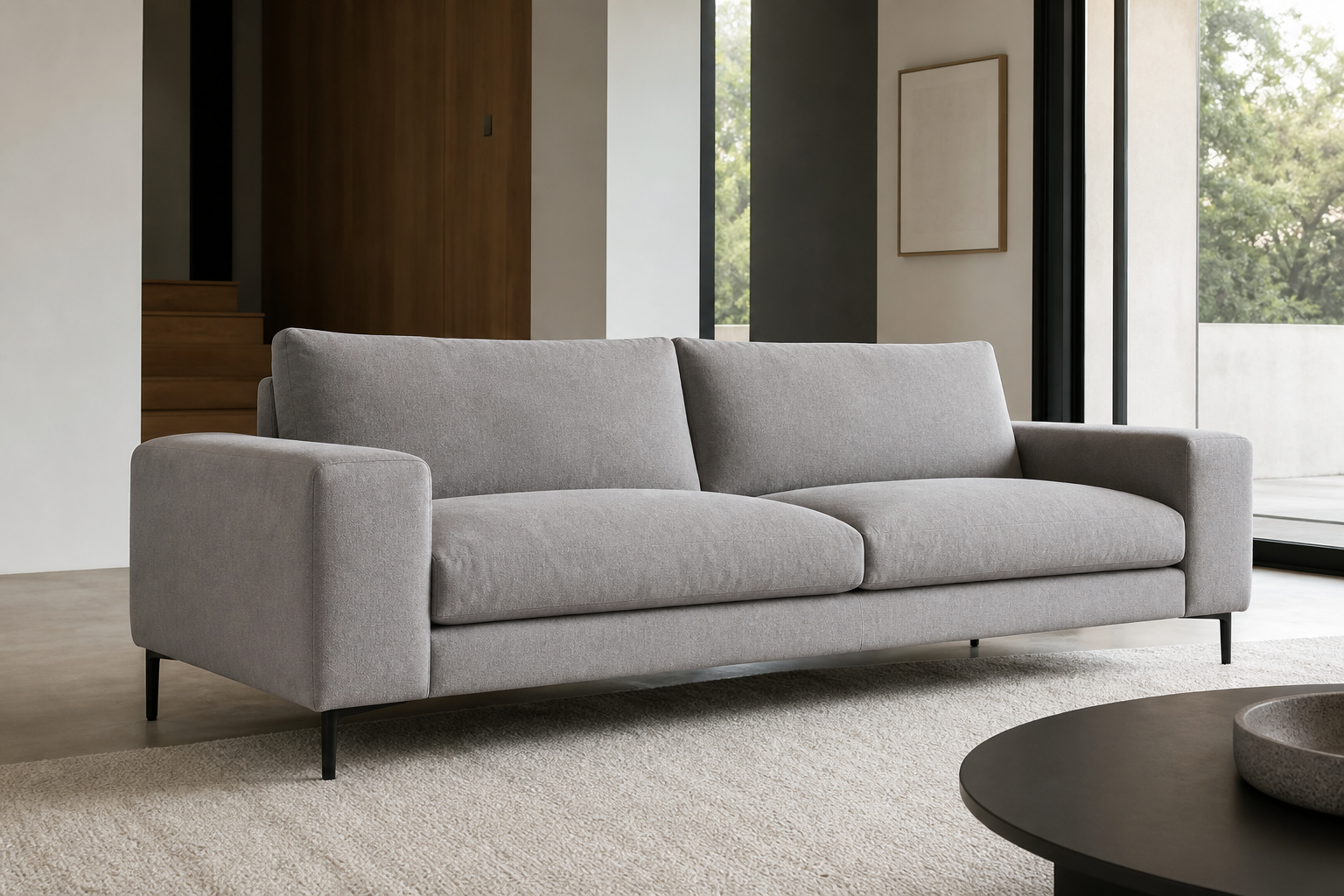
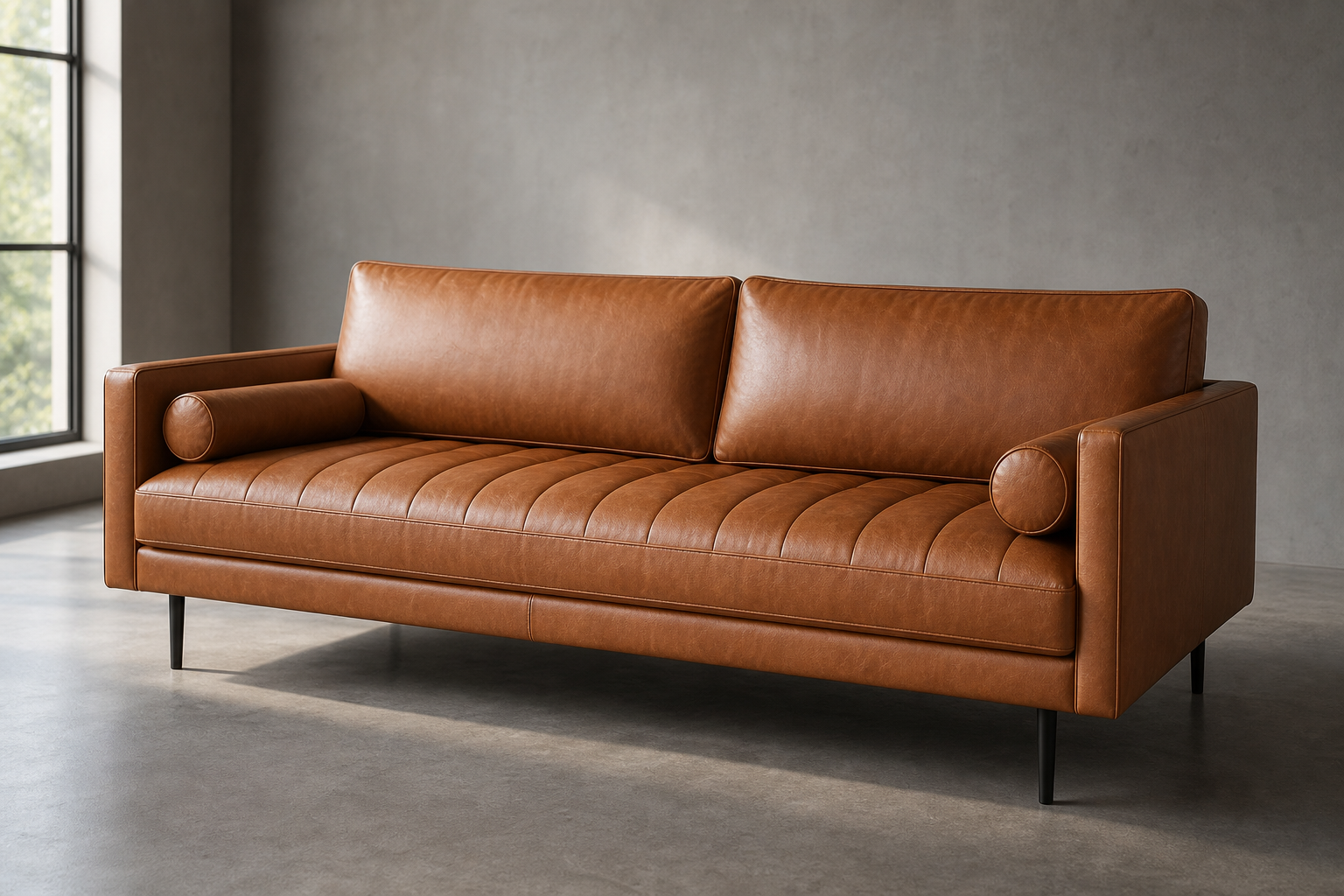
Sofas with exposed legs create a sense of openness by allowing you to see the floor underneath. This can make the room feel larger compared to sofas with skirted or solid bases.
Tradeoff: Open-leg sofas may not suit all décor styles and can be less suitable if pets or small children are present (due to potential leg damage).
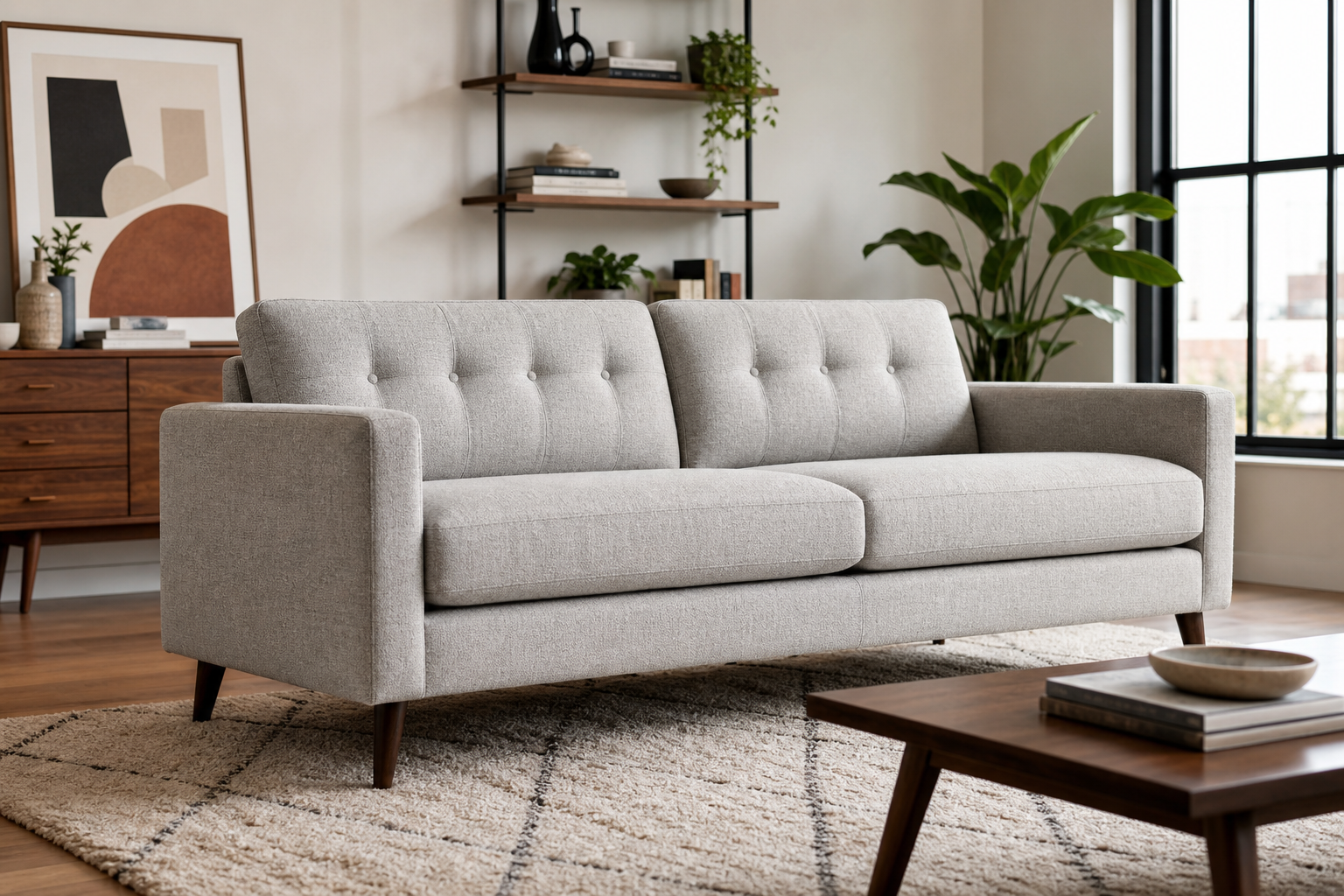
6. Choose Light or Neutral Colors and Simple Upholstery
Light-colored fabrics or neutrals reflect more light and visually enlarge a room. Avoid heavy patterns or dark colors that can make a small room feel crowded.
Tradeoff: Light fabrics may show stains more easily, so consider performance fabrics that resist spills and wear.
7. Explore Multifunctional Sofas
Sofa beds, futons, or sofas with built-in storage offer added versatility for small spaces, especially if you lack a guest room or storage options.
Tradeoff: Some multifunctional sofas compromise on comfort or style. Test in person if possible.
Common Mistakes to Avoid When Choosing a Small Living Room Sofa
Overestimating the Sofa Size That Will Fit
A common mistake is buying a sofa that looks small in the showroom but overwhelms your living room. Always measure your space and visualize the sofa’s footprint before buying. Use painter’s tape to mark the sofa’s dimensions on the floor.
Ignoring Traffic Flow and Doorway Access
A sofa that blocks doorways, windows, or walking paths will make your living room frustrating to use. Leave enough clearance for easy movement and furniture placement flexibility.
Forgetting About Weight Capacity and Safety
Especially for shelving sofas (like sofa beds or modular pieces), check the manufacturer’s weight limits to ensure durability. For homes with children, avoid sofas with sharp corners or unstable frames that can tip.
Skimping on Quality to Save Money
While budget is important, very cheap sofas often sacrifice comfort and durability. Low-quality frames and fabrics can sag or tear quickly, leading to replacement costs that exceed initial savings.
Neglecting Upholstery and Maintenance Needs
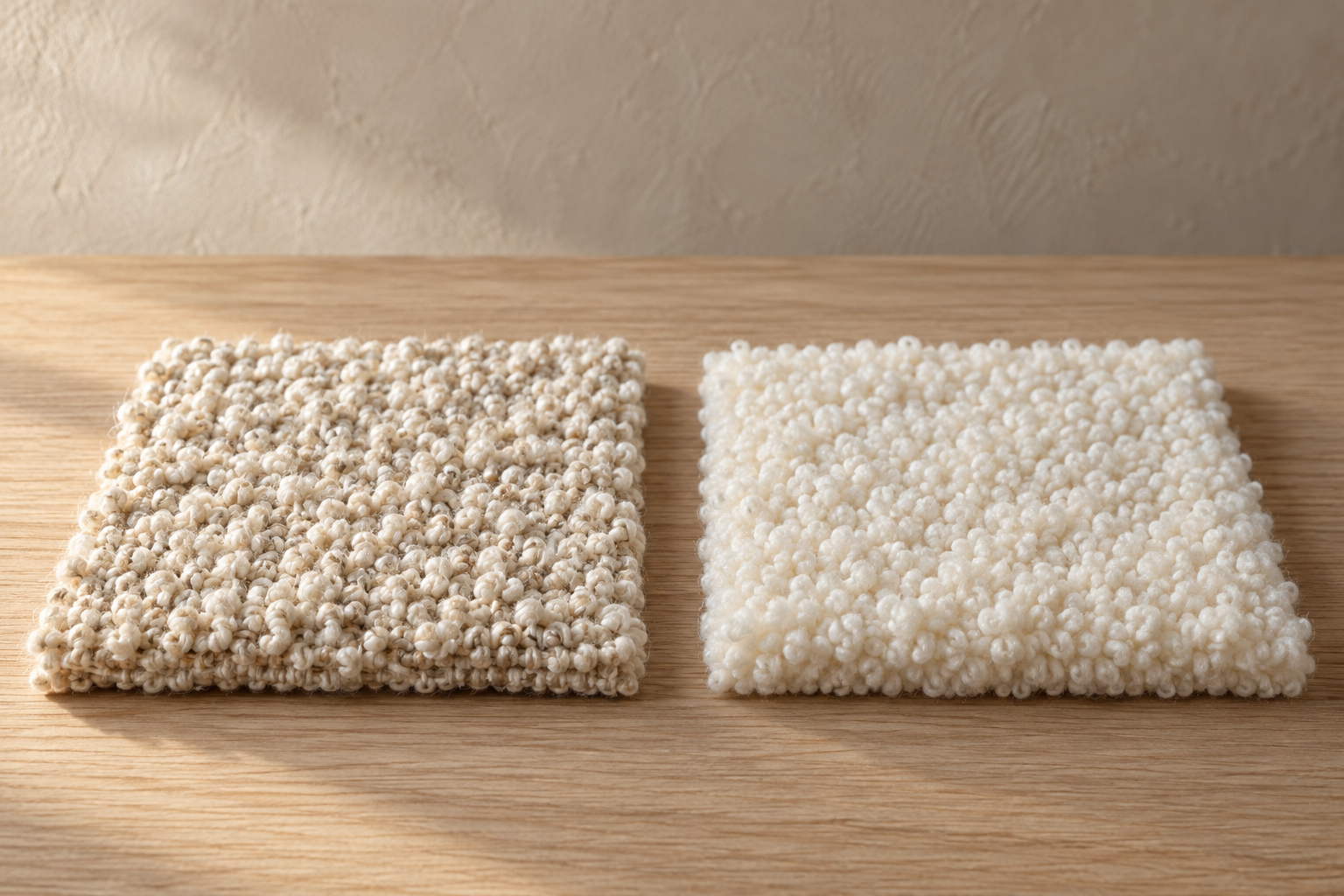
Some fabrics require special cleaning or are prone to staining. Consider your lifestyle and choose materials that balance appearance with practicality. For example, microfiber or performance velvet can be easier to maintain than linen.
When to Call a Professional for Your Small Living Room Sofa Project
<a href="/products/interior-define-sloan-95-oasis-velvet-natural-oak/" class="product-inline-link">Custom Sofa</a> Design and Build
If your living room has unusual dimensions, such as angled walls, built-ins, or limited access, a custom sofa can maximize space and style. Professional furniture makers or interior designers can create pieces tailored to your exact needs and preferences.
Complex Room Layouts or Multifunctional Spaces
When your living room doubles as a workspace, dining area, or nursery, a design pro can help integrate the sofa seamlessly with other functions without clutter.
Safety and Installation Concerns
If you plan to anchor a sofa with shelving or storage units to the wall for tip-over prevention, or if you want to install built-in seating, hiring a contractor or handyman ensures it’s done safely and up to code.
Budget Planning and Sourcing Assistance
Interior designers can help you find the best sofa within your budget by tapping into trade-only resources or guiding you toward the best value options.
FAQ: Best Sofa for Small Living Room
Q1: What is the ideal sofa size for a small living room?
A: Generally, sofas between 60 and 72 inches wide work well, but always measure your specific space and consider clearance for walking and other furniture.
Q2: Are sectional sofas a good choice for small rooms?
A: Sectionals can work if they have a compact footprint and modular design. Avoid large, bulky sectionals that eat up floor space.
Q3: What fabric is best for a small living room sofa?
A: Light-colored, durable, and easy-to-clean fabrics like microfiber, performance velvet, or treated linen blends are practical and visually light.
Q4: How do I prevent a sofa from tipping or being unsafe in a small space?
A: Choose sofas with sturdy frames and avoid excessive height or unstable bases. If you have children, consider corner guards and wall anchoring for tall or shelving sofas.
Q5: Can a sofa bed be comfortable for everyday use in a small living room?
A: Modern sofa beds with quality mattresses can be comfortable for daily use, but test comfort and mechanism durability before purchasing.
Quick Reference Checklist for Choosing the Best Sofa for a Small Living Room
| Step | Details | Tradeoffs/Notes |
|---|---|---|
| Measure Your Space | Include room dimensions, doorways, clearance | Avoid buying sofa that won’t fit or blocks flow |
| Define Lifestyle Needs | Seating capacity, functionality, durability | Balance comfort with space constraints |
| Set Budget | Consider sofa cost + delivery + taxes | Quality sofas cost more but last longer |
| Choose Size and Style | Compact, loveseat, modular, armless, exposed legs | Smaller sofas limit seating but open room visually |
| Select Fabric and Color | Light neutrals, performance fabrics | Light colors show stains; durable fabrics preferred |
| Avoid Common Mistakes | Oversized sofas, poor clearance, ignoring safety | Use floor tape to visualize footprint |
| Consider Multifunctionality | Sleeper sofas, storage options | May compromise comfort or style |
| Call Professionals When | Custom design, complex layouts, safety installation | Ensures best fit and safety |