Hunting note
Start with the decision, then inspect the details.
A practical guide for homeowners and renters researching furniture purchases online on best dining table for six people, covering the best next steps, tradeoffs, and when to call a pro.
Finding the best <a href="/products/article-conan-75-oval-dining-table-walnut/" class="product-inline-link">dining table</a> for six people is more than just picking a size that fits your guests. It’s about balancing style, functionality, safety, and space to create a welcoming and practical dining area. Whether you’re furnishing a new home, upgrading your existing setup, or renting and want something flexible, this guide will walk you through everything you need to know to make an informed purchase.
From initial measurements and material choices to safety considerations and when to call in a pro, this article provides a comprehensive look at choosing a dining table that fits your lifestyle and space perfectly.
Why Choosing the Right Dining Table for Six People Matters
A dining table is often the heart of a home, a place for meals, conversations, and celebrations. Getting the right table for six people means ensuring comfort without overcrowding, maximizing your room’s potential, and creating a durable piece that suits your style and daily needs.
The right table can make hosting dinners easier and more enjoyable, but the wrong one can cause cramped seating, awkward layouts, or even safety hazards. For renters, the challenge is often finding a table that fits the space but can also be moved or adapted easily. For homeowners, investing in a quality piece that lasts and complements your décor is key.
In short, choosing the best dining table for six people is about more than just size — it involves planning, safety, style, and practicality.
What to Check First Before Buying a Dining Table for Six
1. Measure Your Space Accurately
Before browsing tables, measure your dining area carefully. The table itself isn't the only consideration — you need enough clearance around it for chairs to be pulled out comfortably and for people to walk past. A general rule is to allow at least 36 inches (about 90 cm) of space between the table edge and walls or other furniture.
For six people, a typical rectangular table size is about 72 inches long and 36–42 inches wide, but this can vary depending on chair size and room layout. Don’t forget to measure ceiling height if you’re considering a table with a tall pedestal base or an unusual design.
2. Consider Your Seating Needs and Chair Sizes
Six people usually means six chairs, but the size and style of chairs impact the table size you need. Bulkier chairs require more table width and clearance. Measure the width of your chairs and factor in about 24 inches per seat width at the table edge.
If you want benches or a mix of chairs and benches, your table length and height might need adjustment. Benches can be more space-efficient but may require more careful consideration of legroom and table overhang.
3. Think About Table Shape and Room Layout
Rectangular tables are the classic choice for six, but round or oval tables can work well in smaller or square rooms by improving flow and reducing sharp corners. Round tables typically require a larger diameter (about 60 inches) to seat six comfortably.
Oval tables combine the benefits of rectangular and round shapes but can be harder to find or more expensive. Consider the shape that best fits your room’s dimensions and traffic flow.
Best Dining Table Options for Six People: Styles, Materials, and Features
1. Rectangular Solid Wood Tables — Classic and Durable
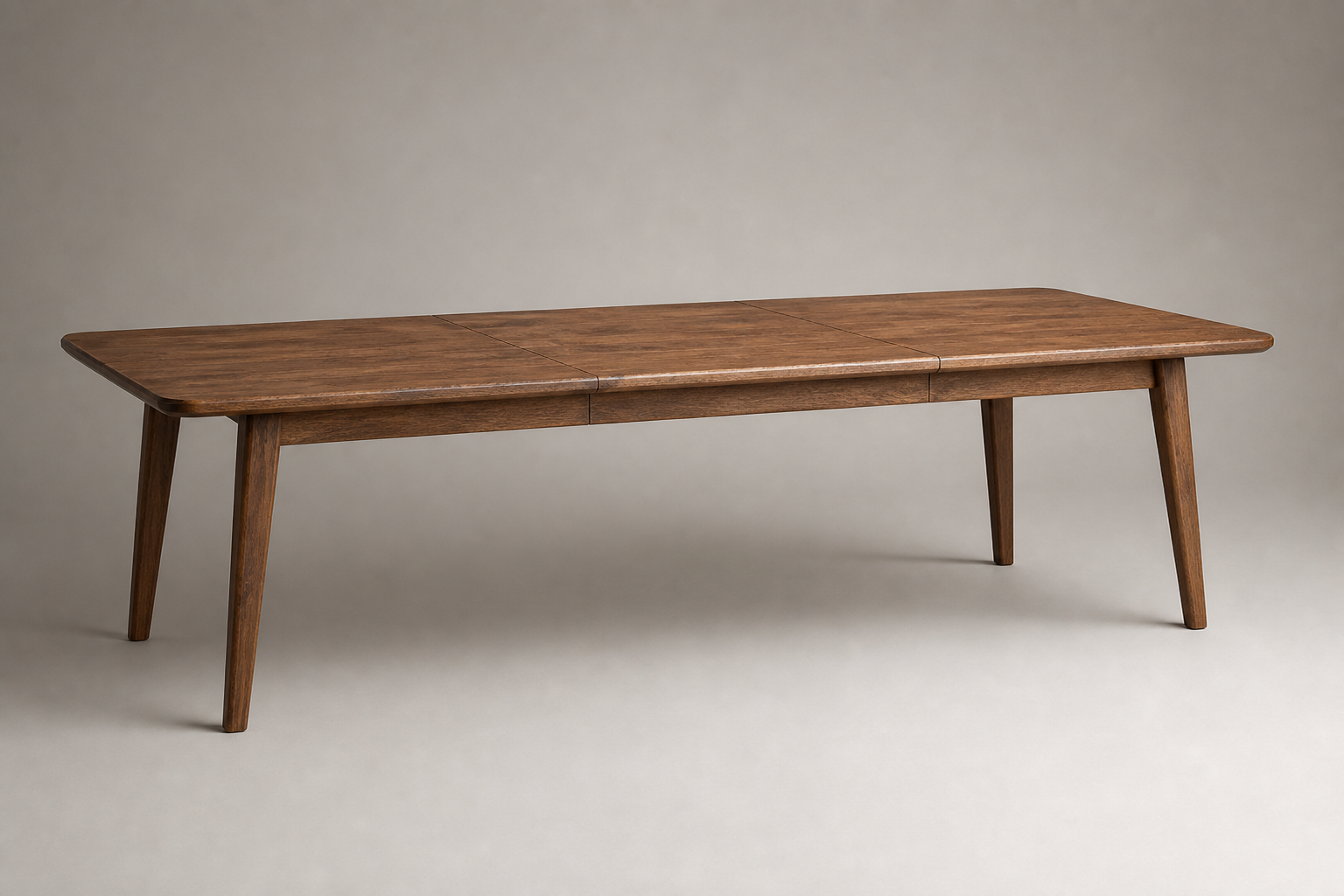
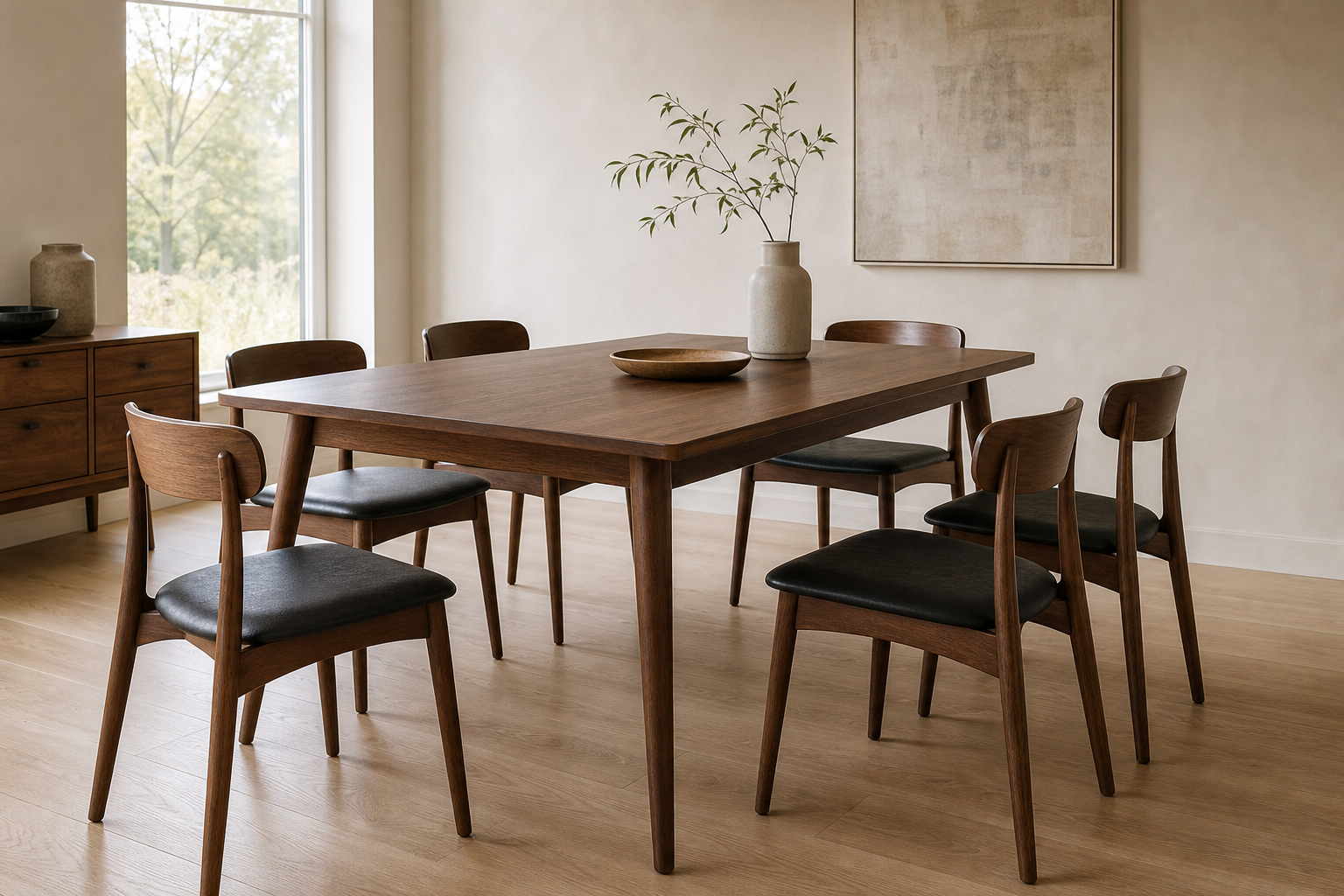
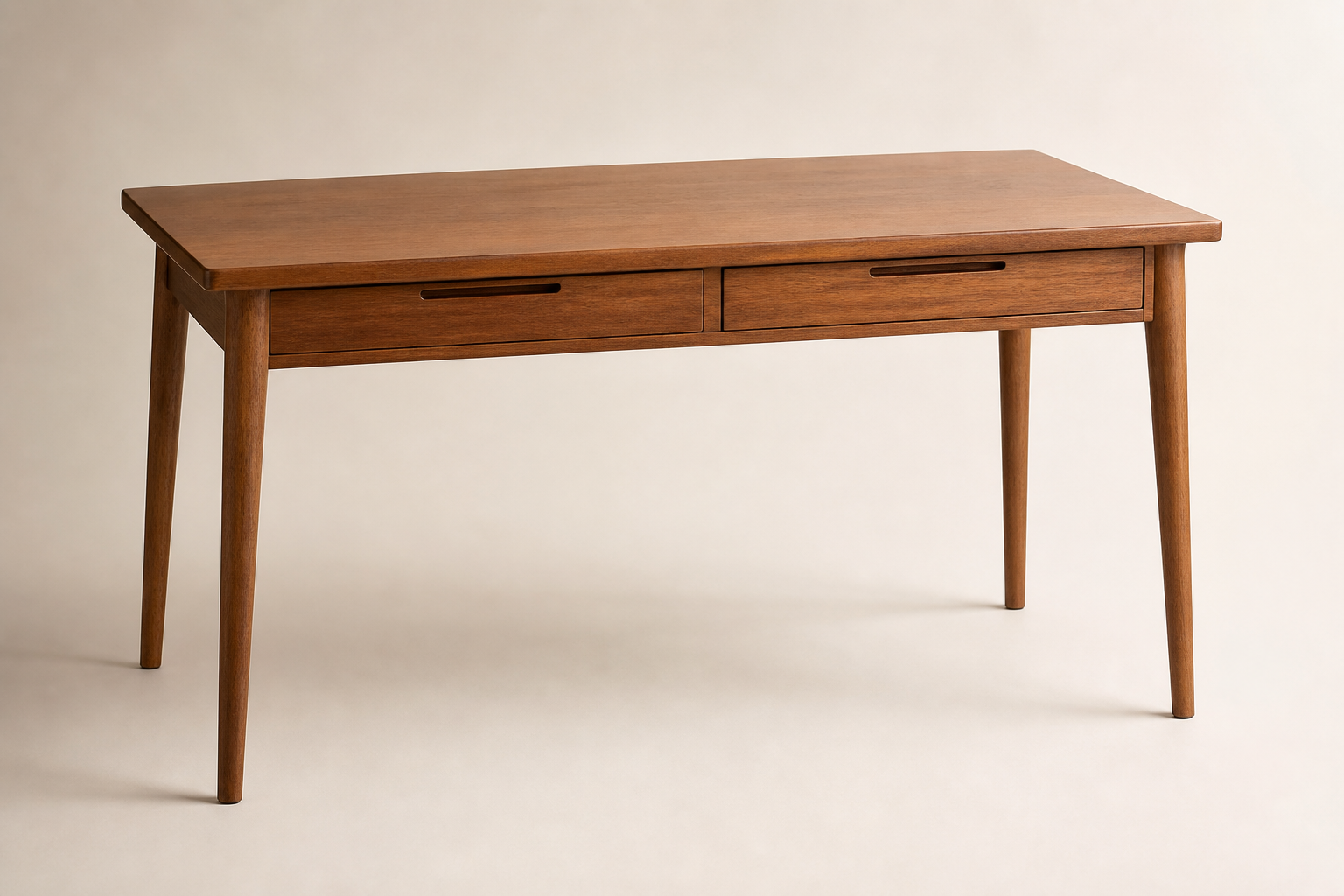
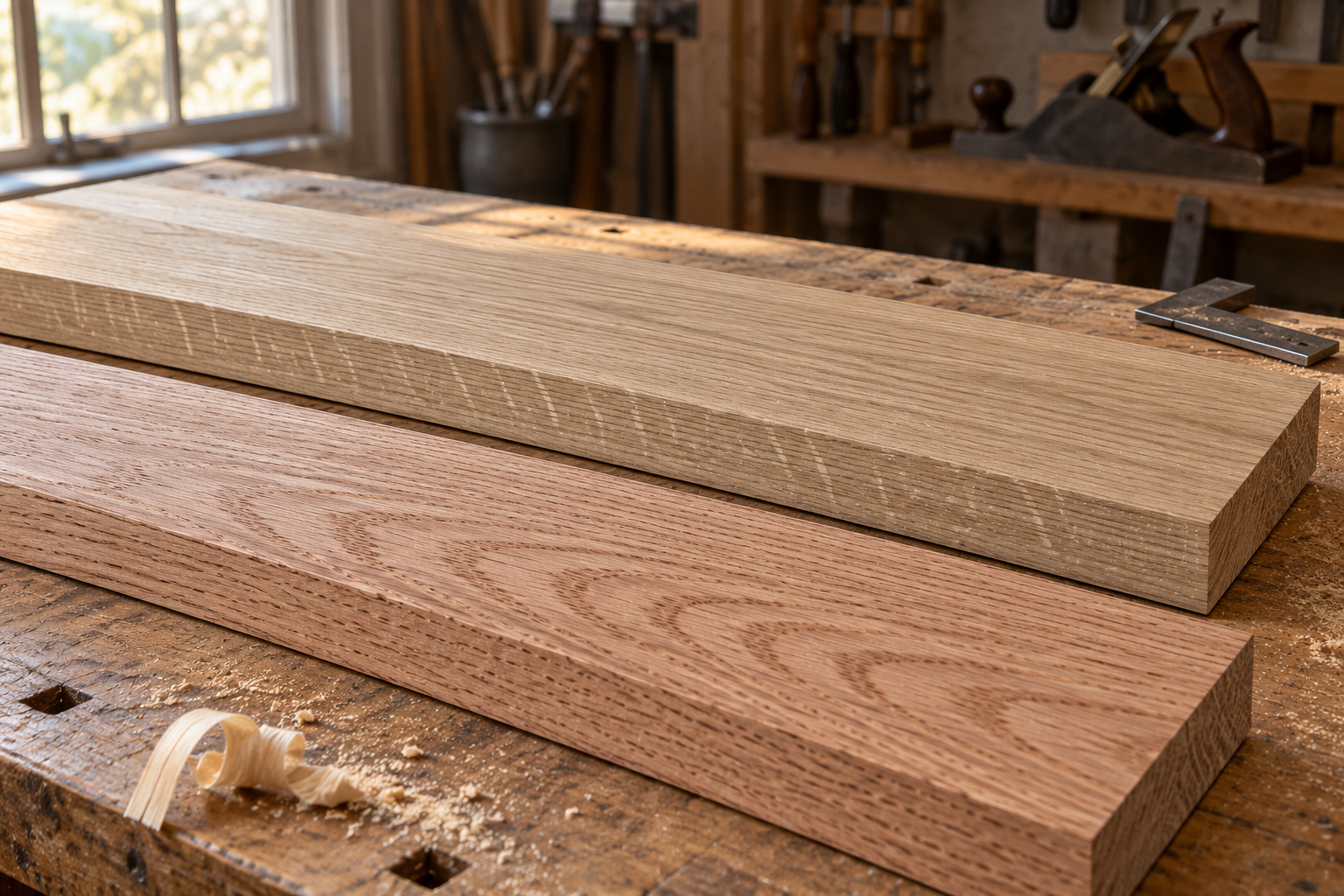
A solid wood rectangular table around 72 inches long is often the go-to for seating six. Wood like oak, walnut, or maple offers durability, natural beauty, and repairability. Solid wood tables can last decades but tend to be heavier and more expensive.
Tradeoff: Heavier tables are less portable but more stable. Choose a finish that resists scratches and stains, especially if you have kids or entertain often.
2. Extendable Tables — Flexibility Meets Space-Saving
If your dining area doubles as an office or you occasionally host more than six, an extendable table is a smart choice. (best adjustable height desk) (best l-shaped desk home office) (best <a href="/products/article-amoeba-42-5-coffee-table-walnut/" class="product-inline-link">coffee table</a> for small spaces) These tables have leaves that fold or slide out, allowing you to adjust from a smaller everyday size to a full six-person or even eight-person table.
Tradeoff: Extendable mechanisms can add cost and sometimes reduce stability. Check the weight capacity and how the leaves store when not in use.
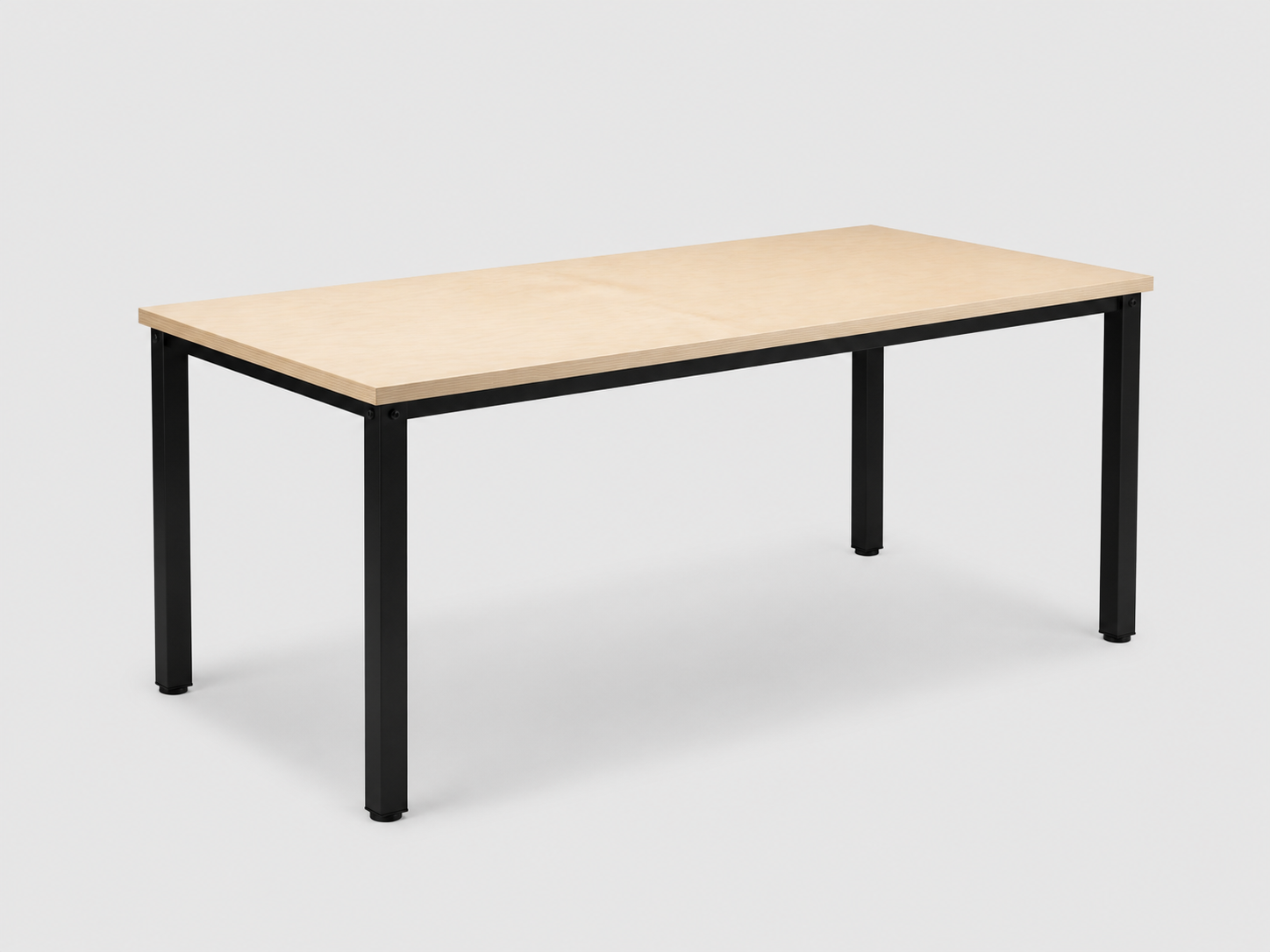
3. Glass or Metal Tables — Modern and Easy to Clean
For a sleek, contemporary look, glass tops with metal or wood bases can be ideal. Glass tables make small spaces feel more open and are easy to wipe down, but they may show fingerprints and scratches more easily.
Tradeoff: Glass is fragile and can be a safety risk in homes with young children. Metal frames can be lightweight but may scratch floors, so consider protective pads.
4. Round or Oval Tables — Promote Conversation and Flow
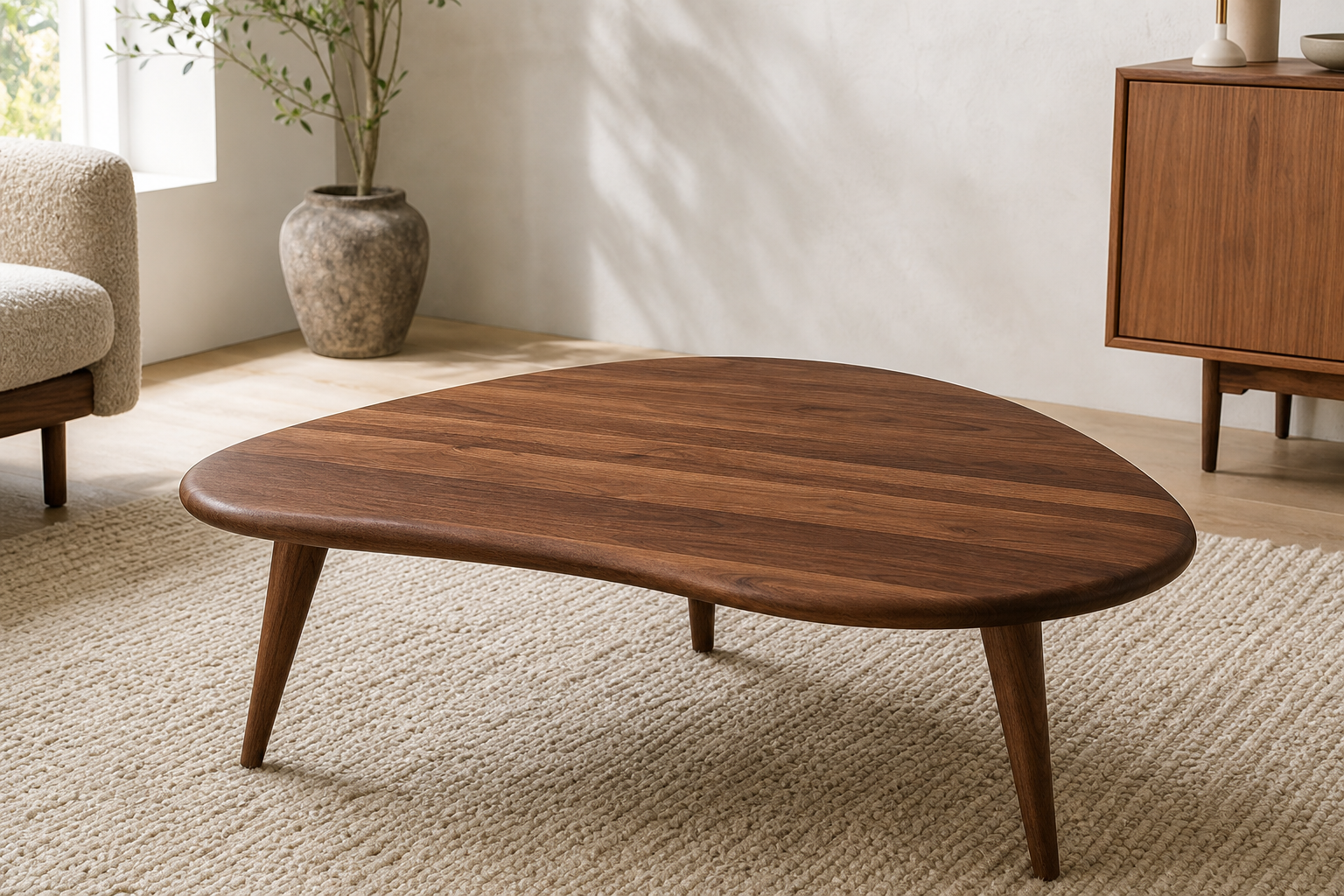
Round tables with a diameter of about 60 inches can comfortably seat six. They eliminate sharp corners, which is safer for children, and encourage more intimate conversations. Oval tables offer similar benefits but with a bit more linear space.
Tradeoff: Round and oval tables require more floor space to accommodate chairs around the curve, and they can be awkward in narrow rooms.
5. Bench Seating — Casual and Space-Efficient
Pairing a rectangular table with benches can save space and add casual charm. Benches slide under the table when not in use, freeing floor space.
Tradeoff: Benches may be less comfortable for prolonged seating and don’t offer back support. They also require careful measurement to ensure legroom.
Mistakes to Avoid When Buying a Dining Table for Six People
1. Ignoring Room Clearance
One of the most common mistakes is buying a table that fits the room’s dimensions but leaves no room for chairs or walking space. This leads to cramped dining experiences and difficulty moving around. Always leave at least 36 inches clearance on all sides.
2. Overlooking Table Height and Chair Compatibility
Standard dining tables are around 28–30 inches tall. Chairs should have a seat height about 10–12 inches lower than the table top. Buying mismatched heights leads to discomfort and poor ergonomics.
3. Neglecting Safety Features
For families with children, sharp corners on rectangular tables can be hazardous. Consider tables with rounded edges or add corner guards. Also, heavy tables should be anchored if they risk tipping, especially if they have pedestal bases.
4. Skimping on Quality for Price
A dining table is a long-term investment. Cheaper tables may look good initially but can warp, stain, or become unstable over time. Look for solid construction and durable finishes even if it means spending a bit more upfront.
5. Forgetting About Maintenance and VOCs
New furniture can off-gas volatile organic compounds (VOCs) from paints, stains, or adhesives. Choose tables with low-VOC finishes or natural materials, especially if you have allergies or want better indoor air quality.
When to Call a Pro: Installation, Custom Tables, and Safety Anchoring
Custom or Built-In Tables
If your dining space is oddly shaped or you want a table integrated into a banquette or built-in seating, hiring a carpenter or custom furniture maker is wise. They can optimize every inch of your space and ensure sturdy, tailored results.
Wall Anchoring for Safety
Heavy or tall dining tables with attached shelving or storage may require anchoring to the wall to prevent tipping. Professionals can install proper anchors safely, especially in older homes with different wall materials.
Refinishing and Repairs
If you have an heirloom or expensive dining table that needs refinishing or repairs, a professional can restore it without damaging the wood or finish.
Complex Assembly
Some extendable or designer tables have complicated assembly processes. If you’re not confident with tools, a professional furniture assembler can save time and avoid damage.
FAQ: Common Questions About Dining Tables for Six People
Q1: What is the ideal size for a dining table that seats six?
A rectangular table about 72 inches long and 36–42 inches wide is standard. Round tables should be around 60 inches in diameter.
Q2: Can I use a round table for six people in a small dining room?
Yes, but ensure you have enough clearance around the table for chairs and movement. Round tables require more space than rectangular ones of the same seating capacity.
Q3: How much space should I leave between the table and walls?
Aim for at least 36 inches to allow chairs to be pulled out and for people to walk comfortably.
Q4: Are extendable tables worth it for everyday use?
If you often host more than six or have limited space, extendable tables offer flexibility. However, they can be heavier and sometimes less stable than fixed tables.
Q5: How do I child-proof a dining table?
Choose tables with rounded edges or add corner guards. Avoid glass tops if you have young children, and ensure the table is stable or anchored to prevent tipping.
Quick Reference Checklist for Choosing the Best Dining Table for Six People
| Step | Key Considerations | Safety Tips |
|---|---|---|
| Measure Your Space | Table + 36" clearance all sides | Avoid overcrowding for easy movement |
| Choose Table Shape | Rectangular, round, oval | Rounded edges safer for kids |
| Select Material | Solid wood, glass, metal | Low-VOC finishes; avoid fragile glass |
| Consider Seating | Chair width + comfort | Check chair-table height compatibility |
| Decide on Fixed vs Extendable | Daily use vs occasional flexibility | Stability and assembly complexity |
| Plan for Maintenance | Finish durability and cleaning ease | Regular care to prevent damage |
| Assess Safety Features | Anchoring, corner guards | Prevent tip-over and sharp edges |
| Know When to Call a Pro | Custom builds, assembly, anchoring | Avoid DIY risks with complex tasks |
Final Thoughts
Choosing the best dining table for six people involves thoughtful planning, realistic measurements, and a balance between style and practicality. By considering your space constraints, seating needs, material preferences, and safety concerns, you can find a table that not only fits your lifestyle but also becomes a centerpiece for memorable meals and gatherings.
Remember, investing a bit more time upfront to measure and research will save you headaches later. And if your needs are complex, don’t hesitate to call a professional for custom solutions or safe installation.